The air inside your home can be two to five times more polluted than the air outside, yet the contaminants are often invisible, odorless, and silent. This poor AC & Indoor Air Quality (IAQ) can lead to a host of health issues, from persistent allergies and headaches to more serious respiratory problems. If you've noticed unexplained symptoms or simply want to ensure your family is breathing the cleanest air possible, the first step is to find out how to test for indoor air quality. Testing provides the data you need to identify specific pollutants and take targeted action, moving beyond guesswork to a science-backed solution.
DIY Testing Kits: Quick and Accessible Screening
For a quick and affordable initial screening, do-it-yourself (DIY) testing kits are a popular option. These kits are designed to check for common household pollutants and can give you a general idea of your home's air quality.
1. Mold Test Kits
Mold spores are a common indoor allergen. These kits typically involve placing a petri dish in a room for a set period to collect airborne spores, which are then sent to a lab for analysis. While they can confirm the presence of mold, they often don't provide the full picture of the mold type or concentration.
2. Radon Test Kits
Radon is a naturally occurring, radioactive gas that is the second leading cause of lung cancer. Radon kits are simple to use, usually involving a small canister placed in the lowest level of your home for a few days before being mailed to a lab. Since radon levels fluctuate, long-term tests (90 days or more) are generally recommended for the most accurate results.
3. Carbon Monoxide (CO) and Smoke Detectors
While not a "test" in the traditional sense, a working CO detector is a non-negotiable safety device. Carbon monoxide is an odorless, colorless gas produced by combustion appliances like furnaces, water heaters, and fireplaces. Regular checks of your Heating Repair system and ensuring your CO detectors are functioning are vital for immediate safety.
4. Digital Air Quality Monitors
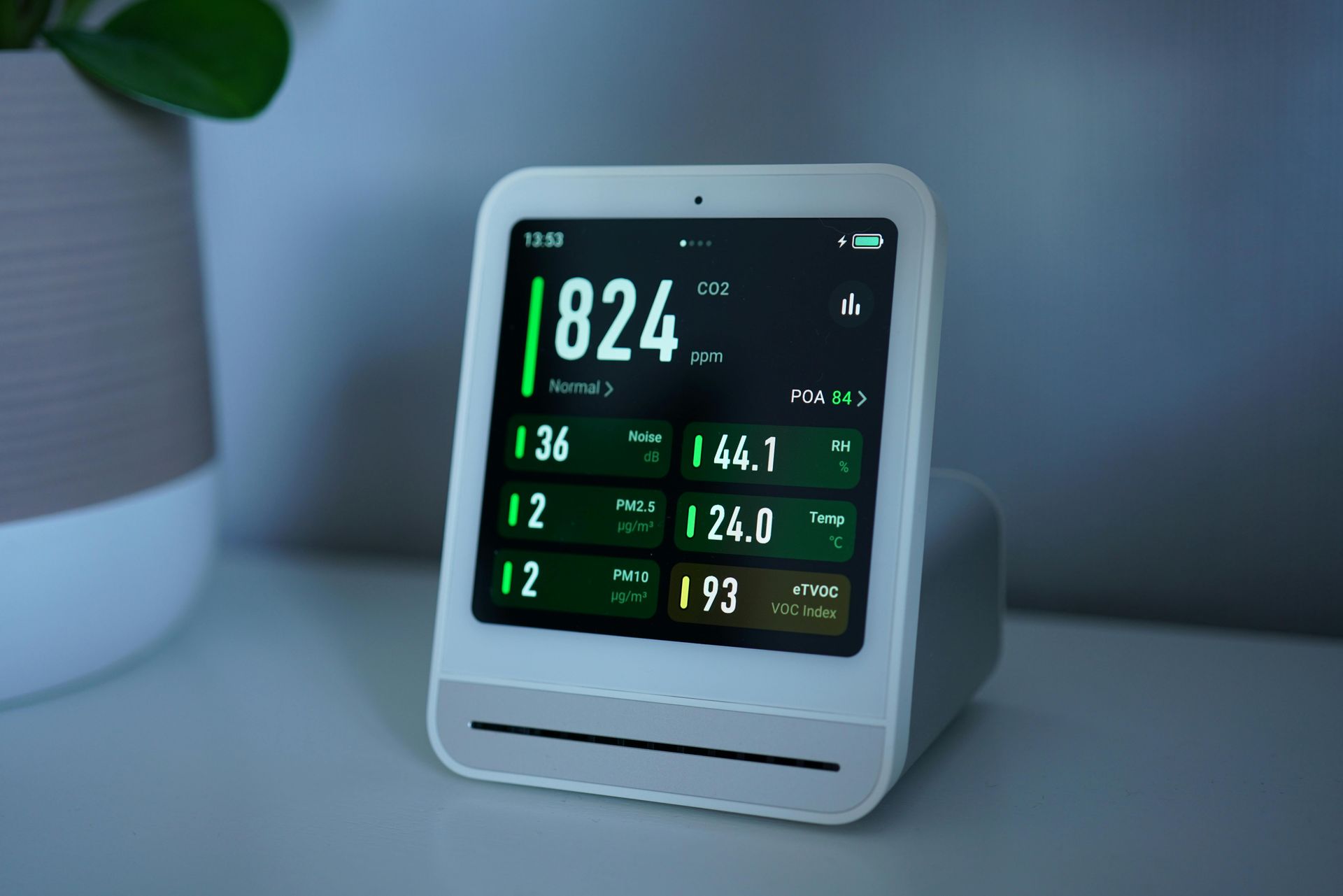
These devices offer real-time readings for various pollutants, including Particulate Matter (PM2.5 and PM10), Volatile Organic Compounds (VOCs), and sometimes carbon dioxide (CO2). They are excellent for monitoring air quality changes throughout the day and identifying specific activities (like cooking or cleaning) that spike pollutant levels.
Professional IAQ Testing: The Gold Standard
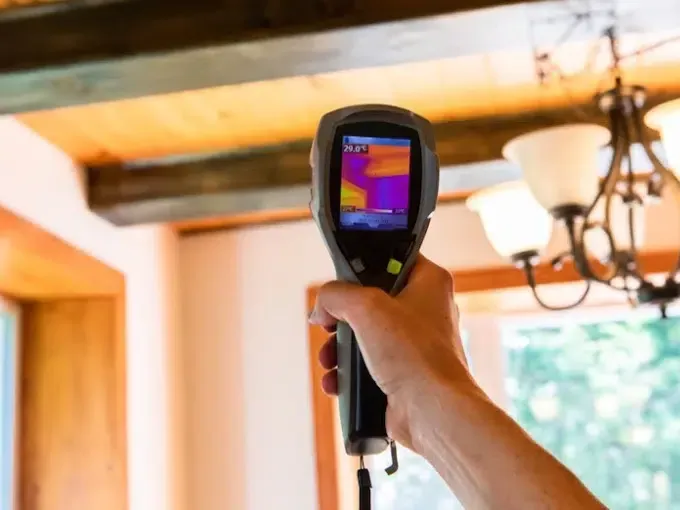
While DIY kits are useful for screening, professional AC & Indoor Air Quality testing provides the most accurate, comprehensive, and actionable data. A certified IAQ specialist uses calibrated, high-grade equipment to measure a wider range of contaminants and provides a detailed, scientific report.
What a Professional Test Measures:
- Particulate Matter (PM): Precise measurement of fine and ultra-fine particles that can penetrate deep into the lungs.
- Volatile Organic Compounds (VOCs): A full-spectrum analysis of chemical off-gassing from paints, furniture, and cleaning products.
- Formaldehyde: A specific, common VOC found in building materials and furniture.
- Biological Contaminants: Detailed analysis of mold, bacteria, and allergens.
- Humidity and Temperature: Assessment of environmental factors that contribute to pollutant growth.
Why Choose Expert IAQ Analysis
A professional doesn't just provide numbers; they provide context. They can trace the source of the contamination, whether it's a leaky duct, a moisture issue, or a problem with your AC maintenance, and recommend targeted solutions, such as installing a whole-home air purifier or a UV light system.
How to Take Action: From Data to Clean Air
Once you know how to test for indoor air quality and have the results, you can move to the solution phase. This often involves a combination of source control (removing the pollutant), ventilation (bringing in fresh air), and air cleaning (filtration and purification). For a long-term solution, consider integrating an advanced AC & Indoor Air Quality system into your home's
HVAC. Options include:
- High-Efficiency Filtration: Upgrading to a MERV 13 filter or higher.
- UV Light Systems: Installed in your ductwork to neutralize airborne pathogens.
- Whole-Home Ventilation: Systems that exchange stale indoor air with fresh, filtered outdoor air.
Breathe Easier with Royal Class Service
Don't let the invisible threat of poor air quality compromise your family's health and comfort. Knowing how to test for indoor air quality is the first step, but taking corrective action with professional guidance is the key to a healthier home.
At Royal Class Service, we specialize in comprehensive IAQ testing and providing customized solutions. Our experts can accurately diagnose your air quality issues and install the right filtration, purification, or ventilation system to ensure your home is a sanctuary of clean air. Stop guessing and start breathing better today.
Contact us today
for a professional IAQ assessment and take control of your home's air.
Recent Posts
Join the Royalty of Home Maintenance.
Get 15% off all repairs, priority scheduling, and two precision tune-ups a year.
Don't get caught off guard by hidden fees.
Use our Instant Estimator to get a clear price range in seconds.