How a Water Softener Works: The Science of Soft Water Explained
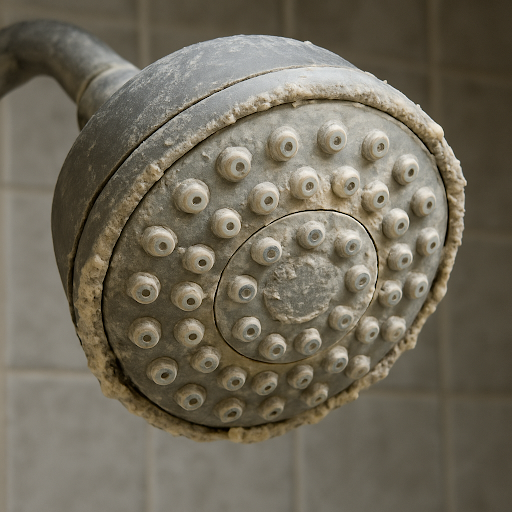
Hard water is a common issue in many regions, characterized by a high concentration of dissolved minerals, primarily calcium and magnesium. While safe to drink, hard water causes a host of problems in the home: scale buildup on fixtures, reduced efficiency of water-using appliances, and dry skin and hair. The solution to these issues is a water softener. Understanding how a water softener works is the key to appreciating this essential Water Treatment technology.
The Core Mechanism: Ion Exchange

The entire process of water softening is based on a simple, yet ingenious, chemical reaction called ion exchange.
1. The Resin Tank
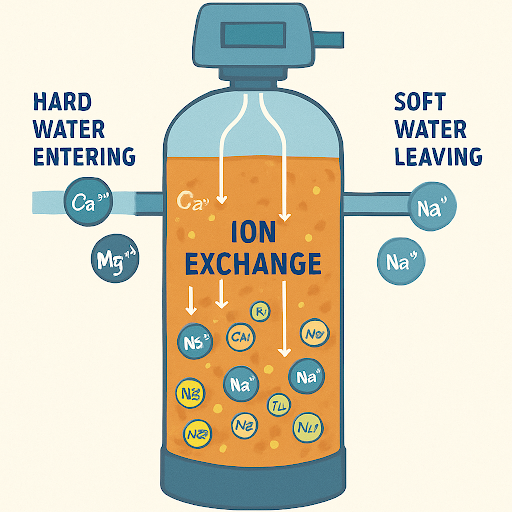
The heart of the water softener is the resin tank, which is filled with thousands of tiny, negatively charged resin beads. These beads are initially saturated with positively charged sodium ions.
2. The Exchange
Calcium and magnesium ions, the culprits behind hard water, are also positively charged, but they carry a stronger charge than the sodium ions. As hard water flows through the resin tank, the calcium and magnesium ions are strongly attracted to the negatively charged resin beads. They effectively "kick off" the weaker sodium ions and take their place on the resin. The water that exits the tank is now "soft," as the hardness minerals have been removed and replaced with trace amounts of sodium.
The Regeneration Cycle
The ion exchange process is not permanent. Over time, the resin beads become saturated with calcium and magnesium and can no longer attract new hardness ions. At this point, the system must go through a cleaning cycle called regeneration.
1. Brine Solution
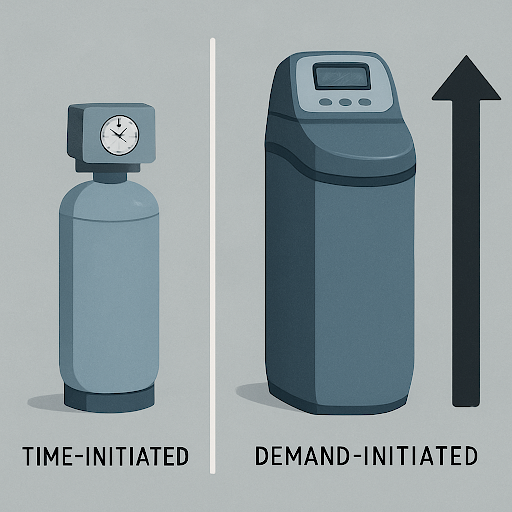
Regeneration is triggered automatically by the control valve, usually based on a timer or, in more efficient models, based on the volume of water used. The system draws a highly concentrated salt solution, called brine, from the brine tank (where you add the salt).
2. Flushing the Minerals
The brine solution is flushed through the resin tank. Because the brine is so highly concentrated with sodium ions, it overwhelms the calcium and magnesium ions on the resin beads. The sodium ions are forced back onto the resin, and the calcium and magnesium ions are flushed out of the tank and down the drain as wastewater.
The Benefits of Using Water Softeners
Knowing how a water softener works helps you understand the importance of proper maintenance and salt levels.
- Increased Efficiency: Soft water allows soap and detergent to lather properly, meaning you use less of them. It also prevents scale buildup in your water heater, which can save you up to 25% on energy costs.
- Appliance Longevity: By eliminating scale, softeners significantly extend the life of your water-using appliances, including your dishwasher, washing machine, and water heater.
- Better Skin and Hair: Soft water leaves your skin feeling cleaner and your hair softer, as there are no mineral residues left behind.
Get the Royal Treatment for Your Water
A water softener is one of the most valuable Water Treatment investments you can make in your home.
At Royal Class Service, we specialize in high-efficiency water softeners. Our experts can test your water, recommend the perfect size and type of unit, and ensure a professional installation that guarantees years of soft water. Stop fighting hard water and start enjoying the benefits of a truly soft home.
Contact us today to schedule your water test and consultation.