
How Can the Installation of a Humidifier Help to Reduce Heating Costs This Winter?

November 20, 2025

Share this article

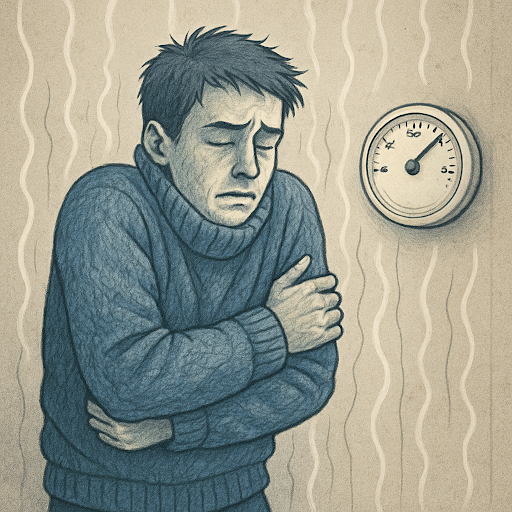
As winter sets in, the battle against rising Heating Repair costs begins. You crank up the thermostat, but your home still feels chilly, and your energy bill climbs higher and higher. The culprit might not be your furnace; it could be the air itself. Cold winter air holds very little moisture, and when this dry air is heated, its relative humidity drops even further. 


This ultra-dry air accelerates the evaporation of moisture from your skin, which creates a cooling effect—making you feel colder than the actual temperature reading on your thermostat. This is where the simple installation of a humidifier becomes a game-changer for both comfort and your wallet.


The Science of Comfort: Humidity and Perceived Warmth

The key to reducing heating costs with a humidifier lies in the concept of perceived warmth. Water vapor in the air holds heat more effectively than dry air. When your home's humidity level is within the optimal range (generally 40% to 60%), the air feels warmer to your skin.


How a Humidifier Saves You Money:


  1. Reduced Evaporation: With adequate humidity, moisture evaporates less quickly from your skin. This minimizes the chilling effect, allowing your body to retain its natural warmth.
  2. Lower Thermostat Setting: Because the air feels warmer, you can comfortably lower your thermostat setting by a few degrees—often 3 to 5 degrees—without sacrificing comfort.
  3. Significant Energy Savings: According to the Environmental Protection Agency (EPA), lowering your thermostat by just a few degrees can reduce your heating bill by up to 3% for every degree the temperature is lowered. Over the course of a winter, this can translate into substantial savings.


For example, if you typically set your thermostat to 72°F, increasing the humidity might allow you to feel just as comfortable at 68°F or 69°F, leading to a noticeable drop in your monthly energy consumption.


Whole-Home Humidifiers: The Smart Investment

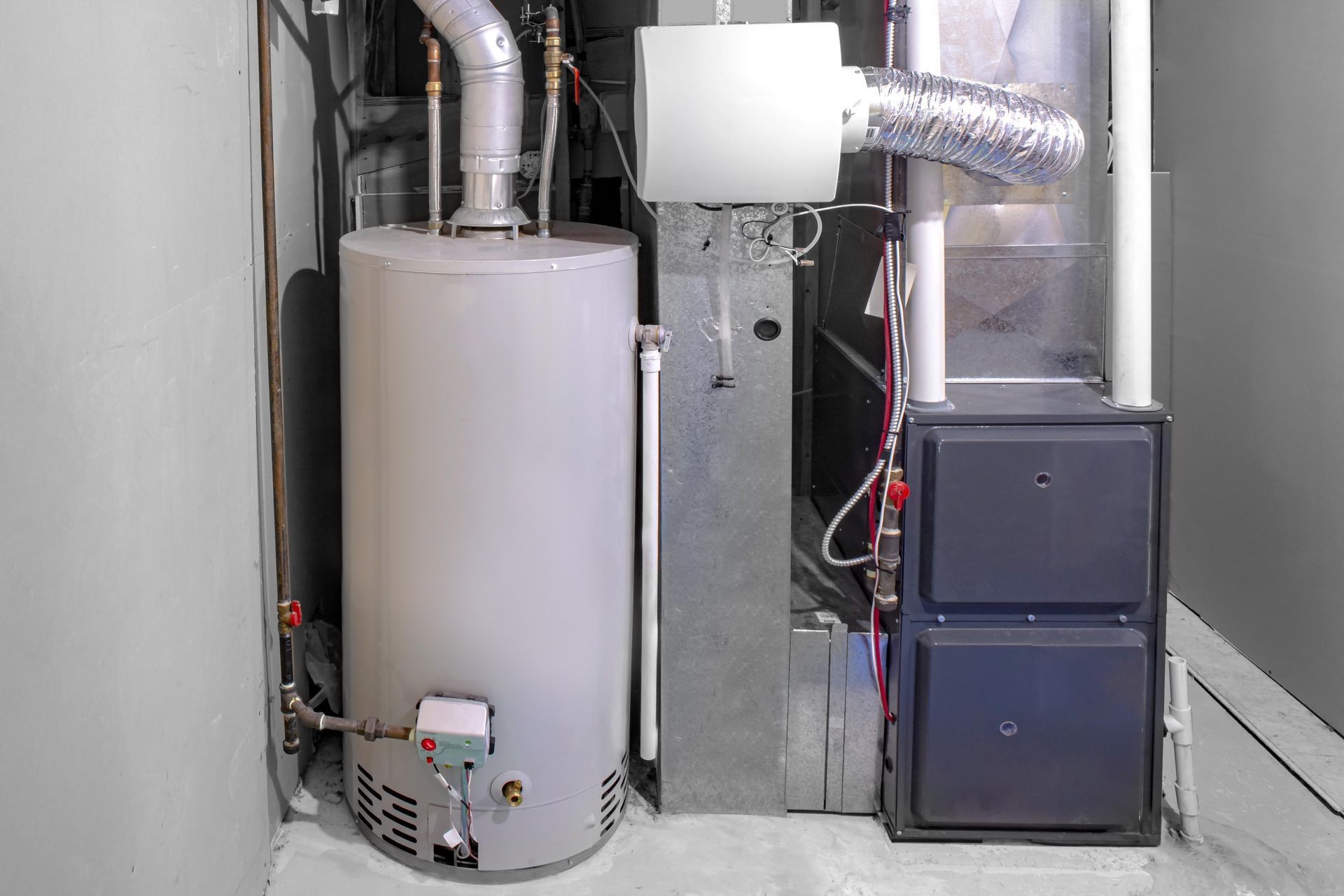
While portable humidifiers can help a single room, a whole-home humidifier is the most effective solution for reducing heating costs across your entire house. These units are integrated directly into your existing HVAC system, working in tandem with your furnace or heat pump to distribute perfectly humidified air throughout your ductwork.


Benefits Beyond Cost Savings:


  • Protecting Your Home: Dry air can damage wood floors, furniture, and even structural elements of your home by causing them to crack and warp. Proper humidity protects these investments.
  • Health and Wellness: Humidified air can alleviate dry skin, scratchy throats, and irritated sinuses. It can also help reduce the transmission of airborne viruses, which thrive in dry environments.
  • Improved Air Quality: Maintaining optimal humidity is a critical component of AC & Indoor Air Quality, as it helps prevent the growth of mold and mildew, which flourish in overly damp conditions, while also keeping the air from becoming too dry.


The Royal Class Service Solution for Winter Efficiency

The installation of a whole-home humidifier is a simple, one-time investment that pays dividends every winter in the form of lower heating bills and enhanced comfort. It’s a proactive step toward a more efficient and healthier home environment.


Don't let dry winter air steal your comfort and inflate your energy costs. The experts at Royal Class Service specialize in integrating high-efficiency whole-home humidifiers into all types of
heating systems. We can assess your home's needs and recommend the perfect solution to keep you warm, healthy, and save money all season long. 


Contact us today
to learn how a humidifier can be your secret weapon against high heating costs this winter.

Recent Posts

March 16, 2026
Heat pump vs. furnace—which is better for Hudson Valley winters? Royal Class Service breaks down theirs costs, performance, and what actually works here.
March 12, 2026
HVAC repair costs in NY range from $150 to $2,500+. Learn what drives heating and AC repair prices in the Hudson Valley and when to repair vs. replace.
March 11, 2026
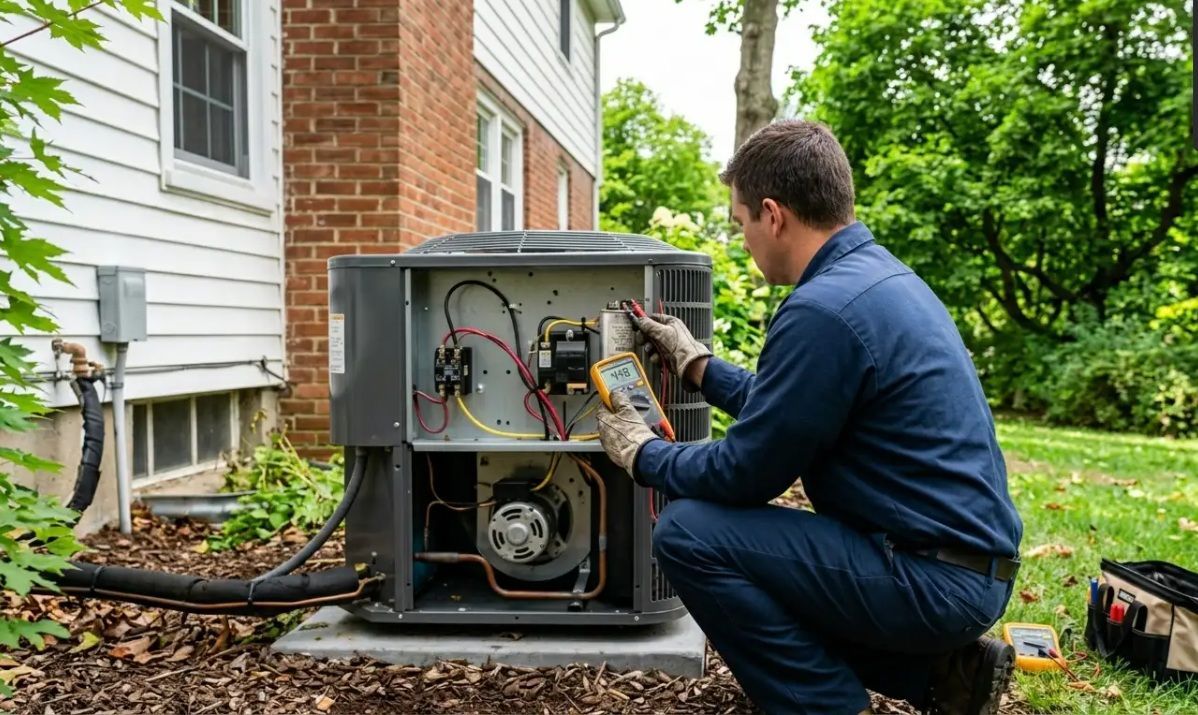
AC capacitor replacement costs $150 to $400 for most Hudson Valley homeowners. Learn what drives the price and when to call a pro.
March 9, 2026
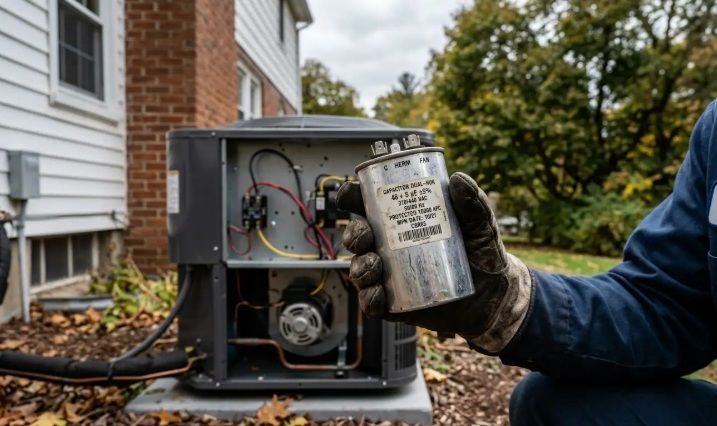
Hudson Valley’s Royal Class Service explains what an HVAC capacitor does, the two types in your system, and the warning signs it's failing.
March 6, 2026
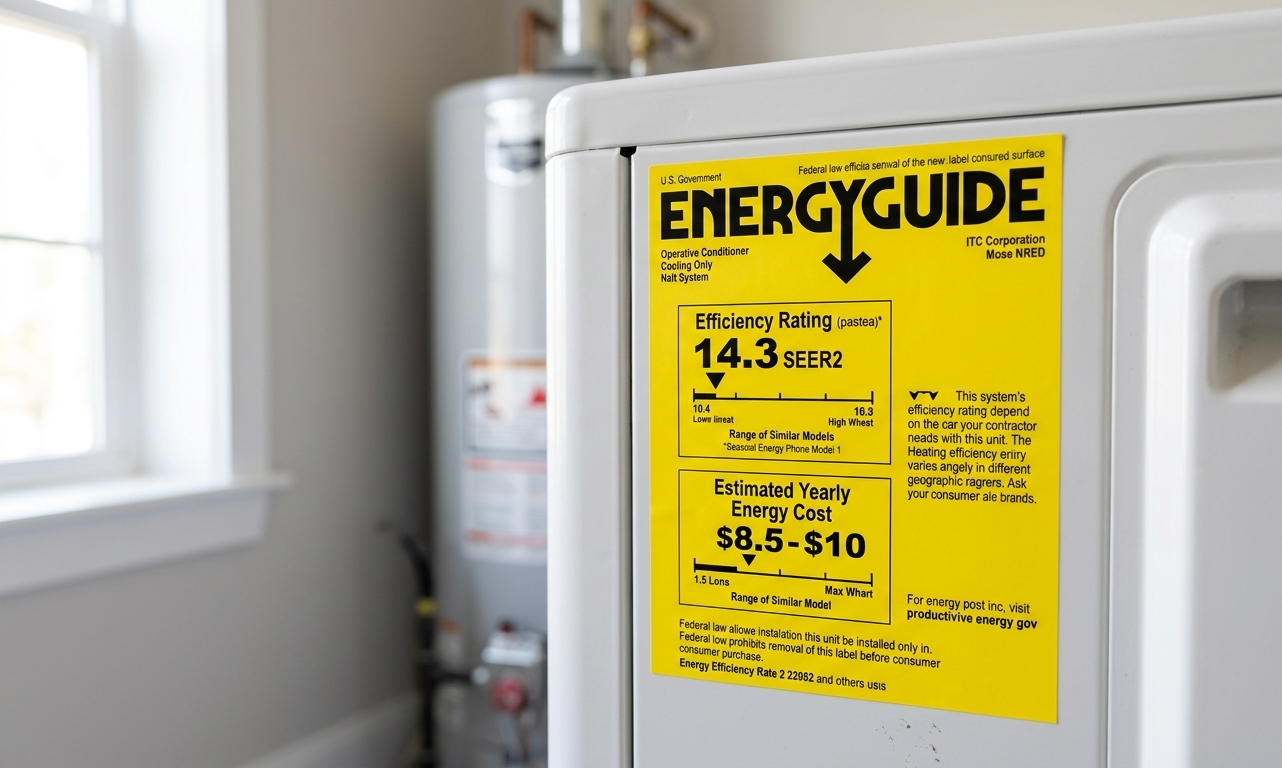
Royal Class Service explains what HVAC SEER ratings mean, how they affect your energy bills, and which rating makes sense for Hudson Valley homes.
March 5, 2026
Replacing an AC compressor costs $800–$2,800+ in 2026. Learn what drives the price, when to repair vs. replace, and how to avoid overpaying.
March 3, 2026
Wondering what an HVAC compressor does? Learn how it works, why it fails, and when to call a pro courtesy of Royal Class Service in the Hudson Valley.
March 2, 2026
Should you repair or replace your HVAC system? Learn how the $5,000 Rule helps Hudson Valley homeowners make the right call—and what replacement actually costs.

By Matthew Pillius February 25, 2026
When your heat fails during a blizzard, do you want the cheapest price or the most accountability? Discover why "affordable" can become expensive and what questions to ask to ensure your home comfort system is installed to last.
February 23, 2026
What is an HVAC condenser, and how does it work? Learn about AC condenser components, common problems, and how to maintain this critical part of your cooling system.
Show More