What SEER Ratings Mean in HVAC: Understanding Cooling Efficiency
What does HVAC SEER mean? SEER (Seasonal Energy Efficiency Ratio) measures how much cooling an air conditioner produces per unit of electricity over a full cooling season. A higher number means less energy for the same comfort. Royal Class Service helps Hudson Valley homeowners select and install AC systems with the right efficiency rating for their home and budget.
When you're looking at two AC systems and one says 14 SEER and the other says 20 SEER, what does that difference actually save you in a Hudson Valley home? That's the right question, and the answer depends on factors most equipment brochures skip. This post breaks down what the rating means and what efficiency range actually makes sense for homes in Orange County.
What SEER Ratings Actually Measure (and Where the Number Comes From)

SEER is calculated by dividing total cooling output in BTUs (British Thermal Units) by the watt-hours of electricity consumed across a full cooling season. The test uses a standardized temperature range, not the actual conditions in Orange County or Poughkeepsie. A 16 SEER unit delivers 16 BTUs of cooling per watt-hour under those controlled conditions.
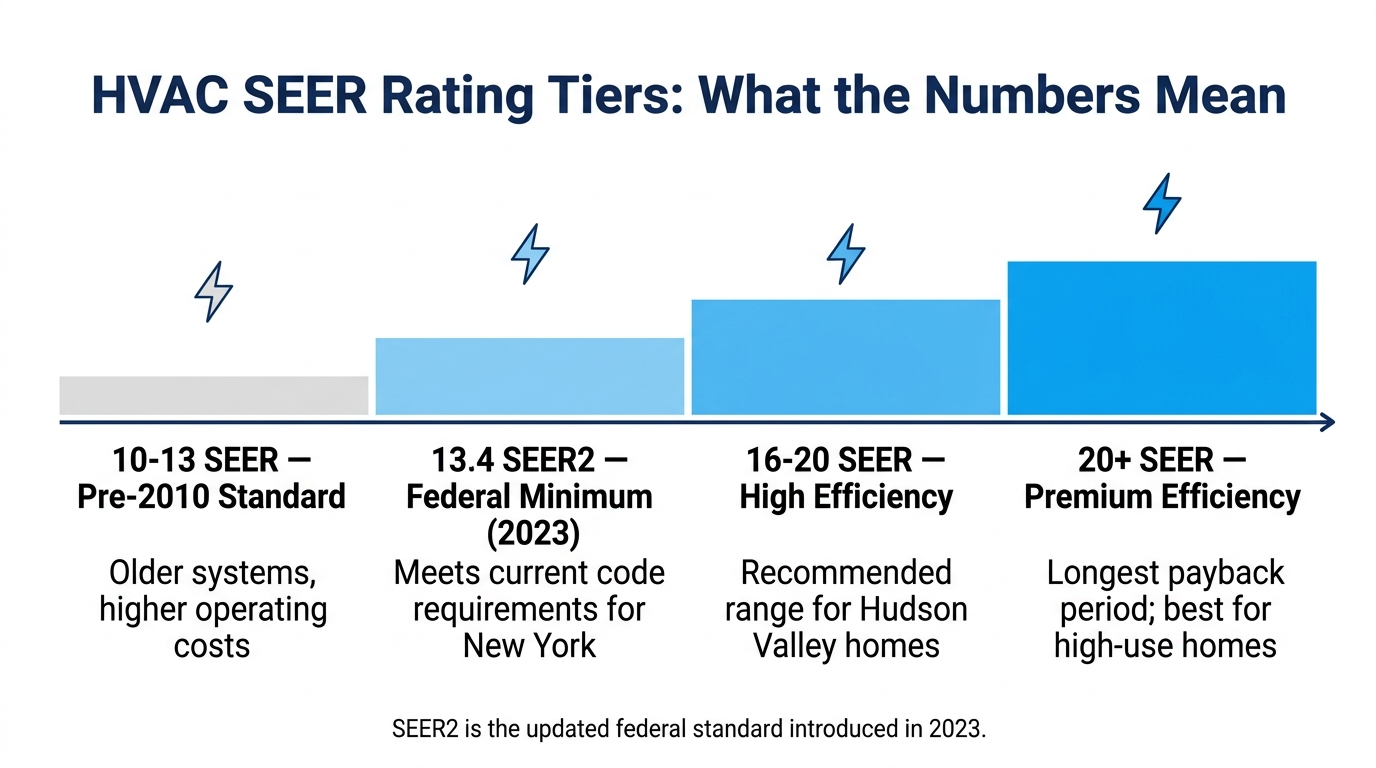
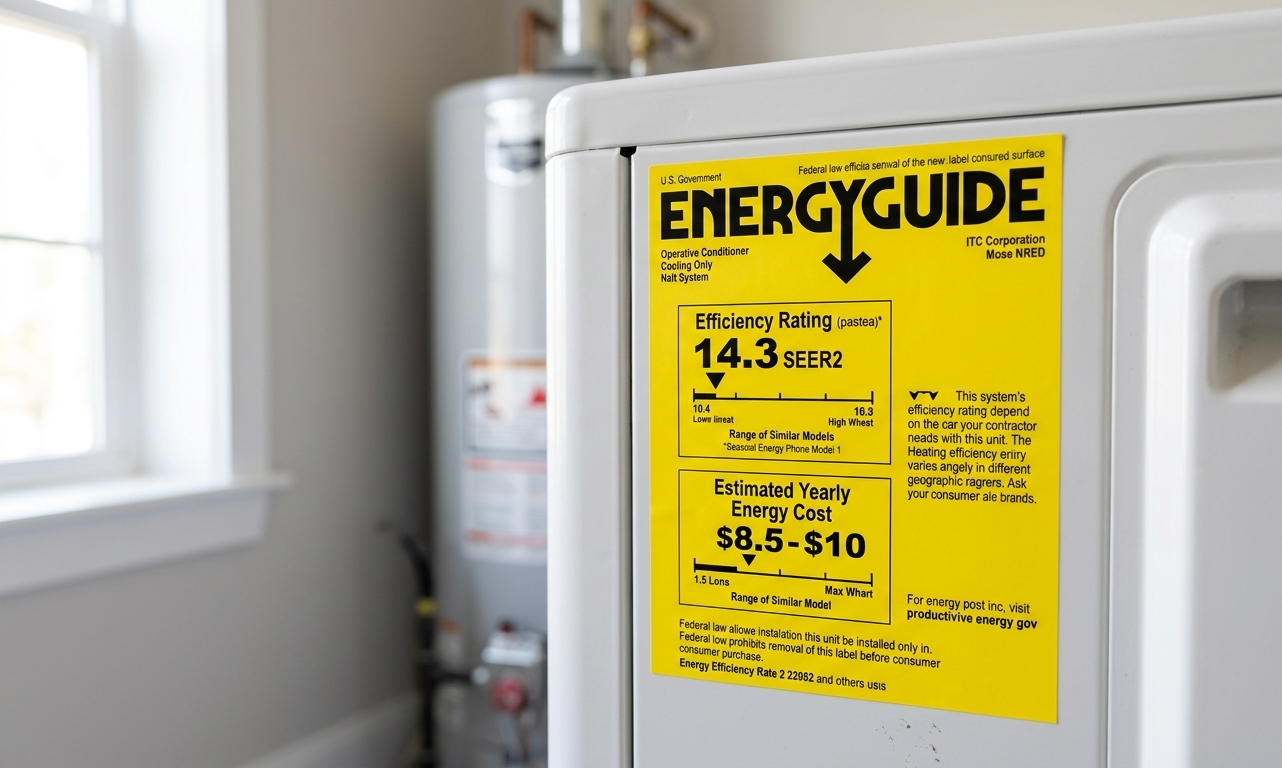
In 2023, the U.S. Department of Energy introduced SEER2, an updated metric designed to better reflect real-world duct pressure. You'll see both SEER and SEER2 on equipment labels. Higher numbers are more efficient in either case. The federal minimum for New York is now 13.4 SEER2 for split-system central air conditioners, equivalent to 14 SEER under the previous scale.
The practical implication is that systems installed before 2006 often carry SEER ratings between 10 and 12. A 10 SEER system uses roughly 60% more electricity for the same cooling as a 16 SEER replacement. The difference shows up on utility bills every summer.
Choosing the Right SEER Rating for Hudson Valley Homes

Not every home benefits equally from a high-SEER system. A higher-efficiency unit costs more upfront, but lower operating costs eventually offset the premium. The speed of that payback depends on the length of your cooling season, how well your home holds conditioned air, and local electricity rates.
Hudson Valley summers are warm and humid, with July highs commonly reaching the mid-80s near Newburgh and New Windsor. Air conditioners remove moisture as part of cooling. A system running longer cycles dehumidifies more effectively, adding comfort in a way that SEER numbers don't capture. Older homes with less insulation run their ACs more, and those efficiency gains add up faster.
16-20 SEER: Sufficient for Most Hudson Valley Properties
For most Hudson Valley homeowners, 16 to 20 SEER balances upfront cost and long-term savings well. If you're replacing an aging central AC, the AC installation team at Royal Class Service can calculate expected payback based on your home's square footage and ductwork.
One thing that quietly undermines SEER performance is oversizing. A unit too large for your space short-cycles instead of running full cooling cycles, reducing both efficiency and humidity control. Regular AC maintenance also preserves rated efficiency. A dirty coil or low refrigerant charge costs you real-world SEER points over time.
Frequently Asked Questions
Is a higher SEER rating always worth the extra cost?
Not always. A higher SEER rating pays off faster in homes with poor insulation or high electricity rates. In the Hudson Valley, where the cooling season lasts roughly 12 to 14 weeks, payback on systems above 20 SEER can take significantly longer to recover.
What's the difference between SEER and SEER2?
SEER2 is an updated efficiency standard introduced in 2023 that uses a more realistic duct pressure during testing. SEER2 ratings typically read slightly lower than the original SEER rating for the same equipment, roughly 5% lower. Both metrics measure seasonal efficiency; SEER2 just reflects real-world conditions more accurately.
How do I know if my current HVAC system has a good SEER rating?
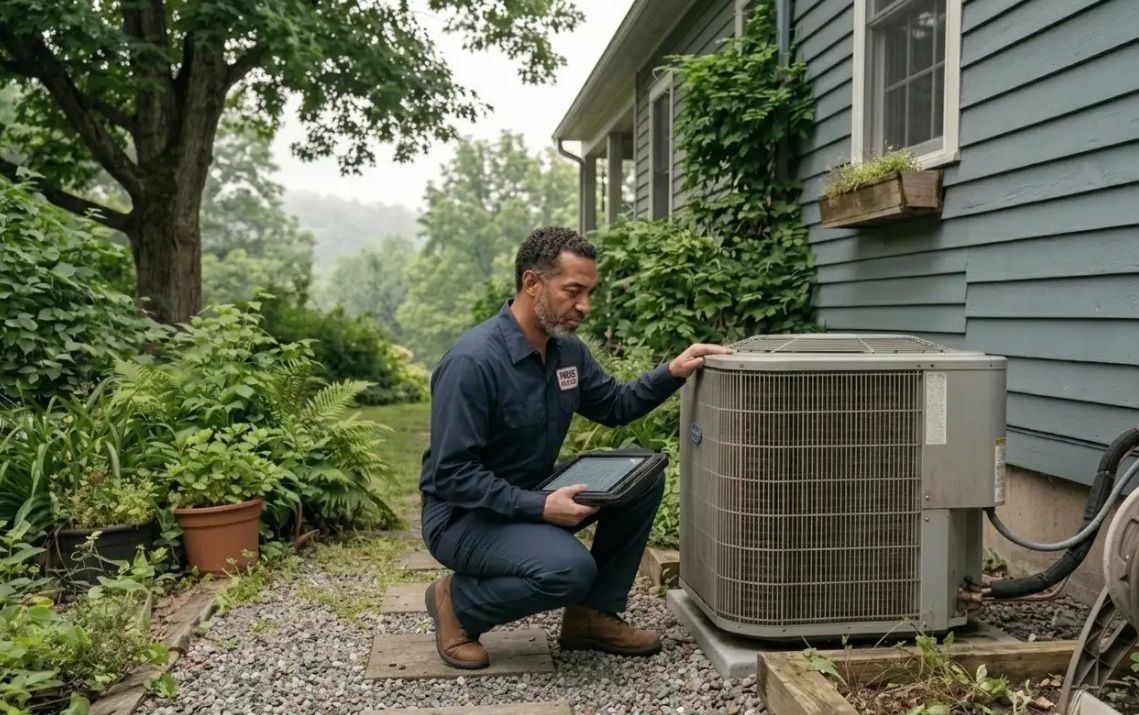
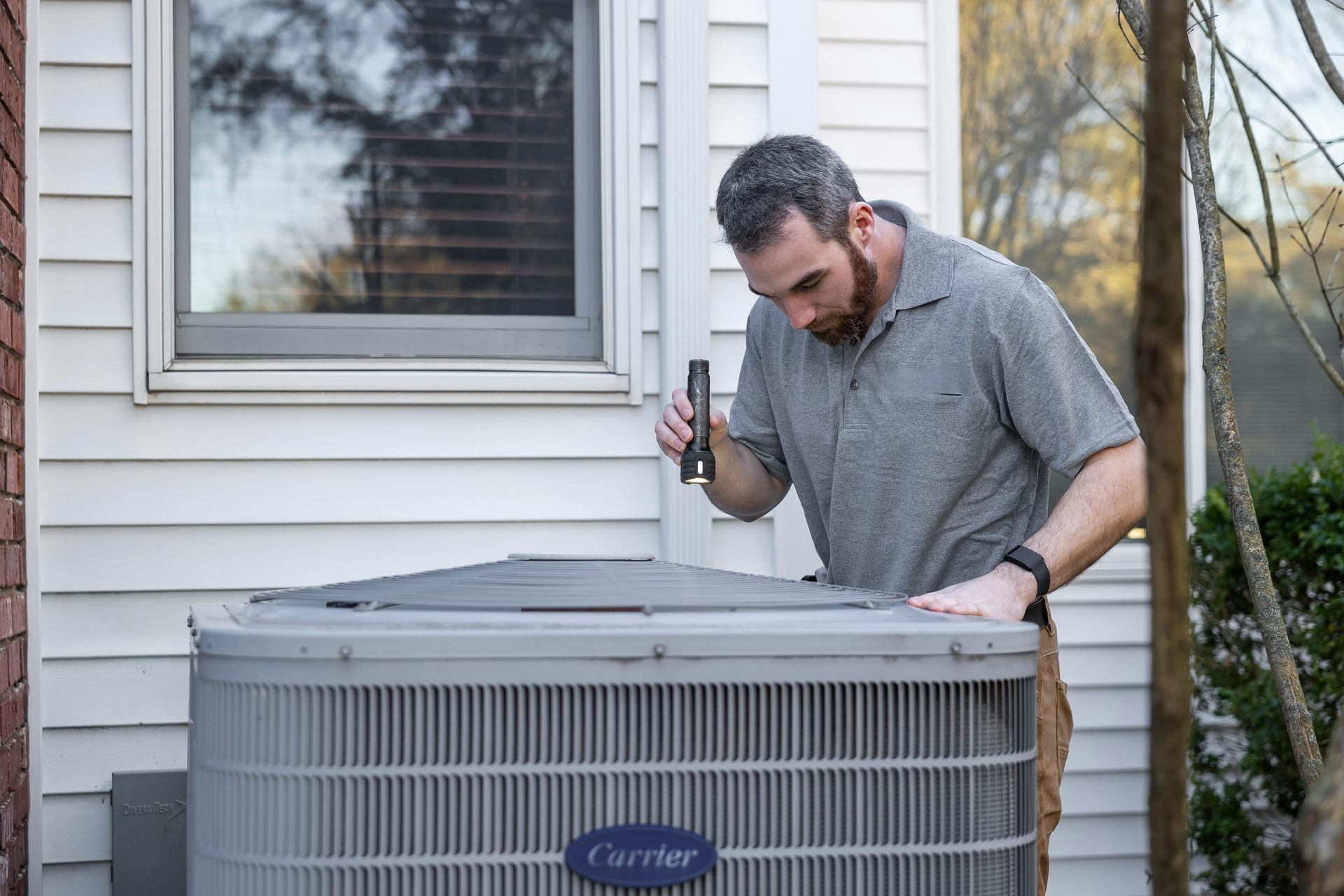
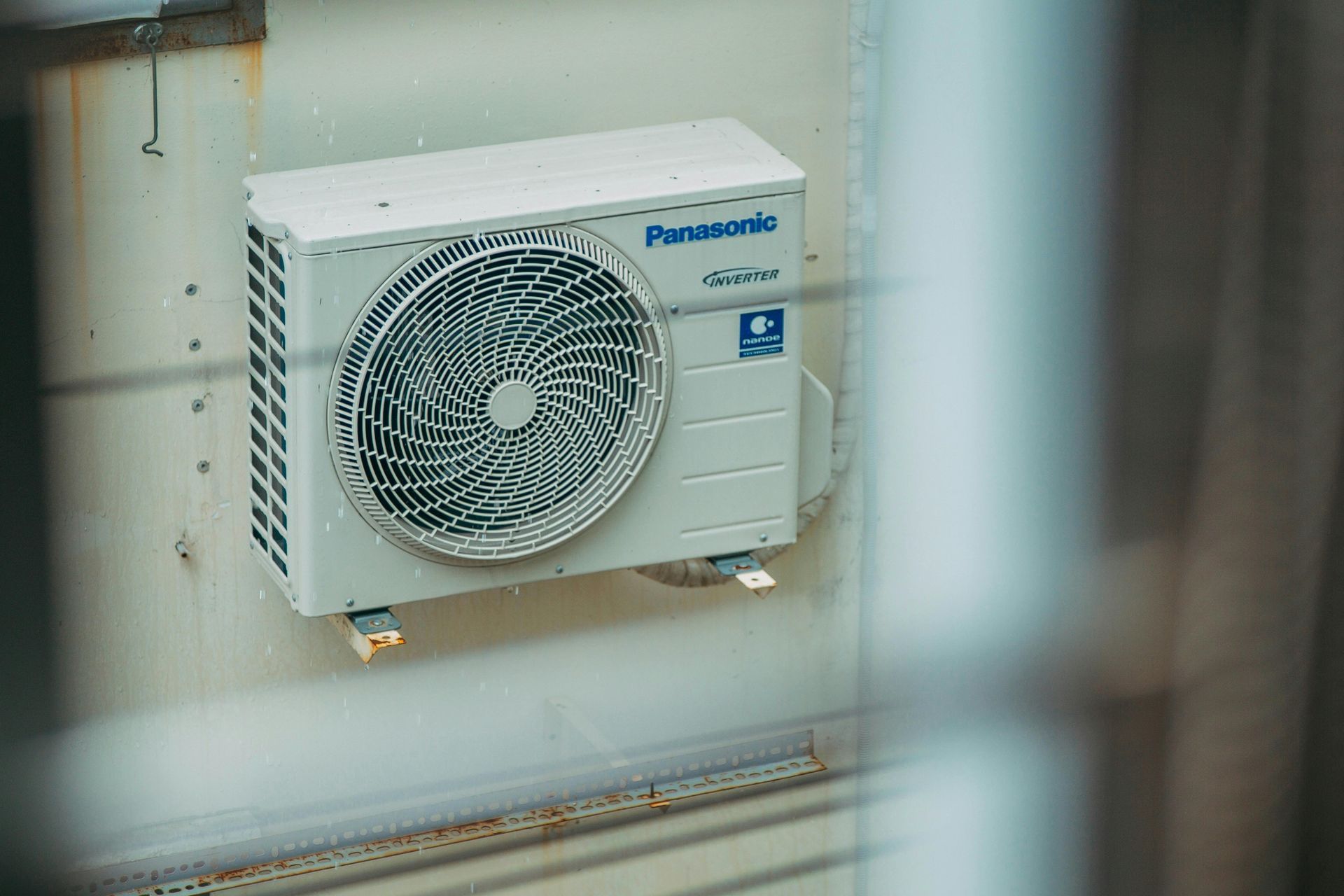
Systems installed before 2010 typically carry SEER ratings between 10 and 13. Check the data plate on your outdoor unit for the rating. In Royal Class Service's experience, homeowners replacing a 15+ year-old system often see meaningful reductions in monthly energy costs with a 16+ SEER upgrade.
Put Your SEER Rating to Work
SEER is a useful starting point, but the right choice comes down to your cooling load, your ductwork, and how long you plan to stay in the house. A correctly sized unit outperforms a higher-rated one that's oversized or poorly matched to your space.
Royal Class Service has been installing HVAC systems for Hudson Valley homeowners since 1995. Our team sizes systems accurately and explains the numbers in plain terms before work begins.
Contact us today to schedule a consultation.