How to Program Your Water Softener Settings for Optimal Performance
Installing a water softener is a significant step towards protecting your home from the damaging effects of hard water. However, simply having a softener isn't enough; to truly maximize its efficiency, longevity, and your savings, it must be correctly programmed. Understanding how to set the water softener to match your home's specific water hardness and usage patterns is crucial. This guide will walk you through the essential steps to ensure your system delivers optimal performance and consistent soft water. Proper plumbing maintenance is also key to a healthy home.
Step 1: Gather Essential Information
Before you begin programming, you'll need two critical pieces of data:
1. Your Water Hardness Level
This is typically measured in grains per gallon (GPG). Understanding your water quality is the first step towards effective water filtration. You can obtain this information from a professional water test, your local water utility report, or a DIY test kit. Accuracy here is paramount, as an incorrect hardness setting will lead to either inefficient operation (too high) or insufficient softening (too low).
2. Your Household's Daily Water Usage
Estimate your average daily water consumption. A common guideline is 75 gallons per person per day. Multiply this by the number of people in your household. For example, a family of four would use approximately 300 gallons per day. This can also impact your heating system efficiency.
Step 2: Calculate Your Regeneration Cycle

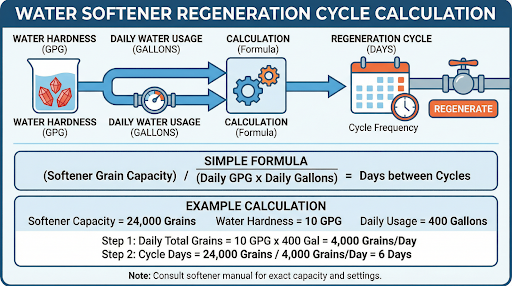
With your water hardness and daily usage, you can calculate the ideal regeneration capacity needed between cycles. Water softeners are rated by their grain capacity (e.g., 30,000 grains, 40,000 grains), which indicates how many grains of hardness they can remove before regeneration is required.
Formula: (Daily Water Usage in Gallons) x (Water Hardness in GPG) = Grains of Hardness to Remove Per Day
Then divide your softener's total grain capacity by the daily grain load to determine the number of days. This will give you the number of days between regenerations. Aim for a regeneration cycle of 3-7 days to optimize efficiency and prevent bacterial growth in the resin bed.
Example: If your softener has a 30,000-grain capacity and you need to remove 3,000 grains per day, your softener should regenerate approximately every 10 days. You might adjust the settings to regenerate every 7 days to ensure consistent soft water.
Step 3: Accessing and Programming the Control Valve
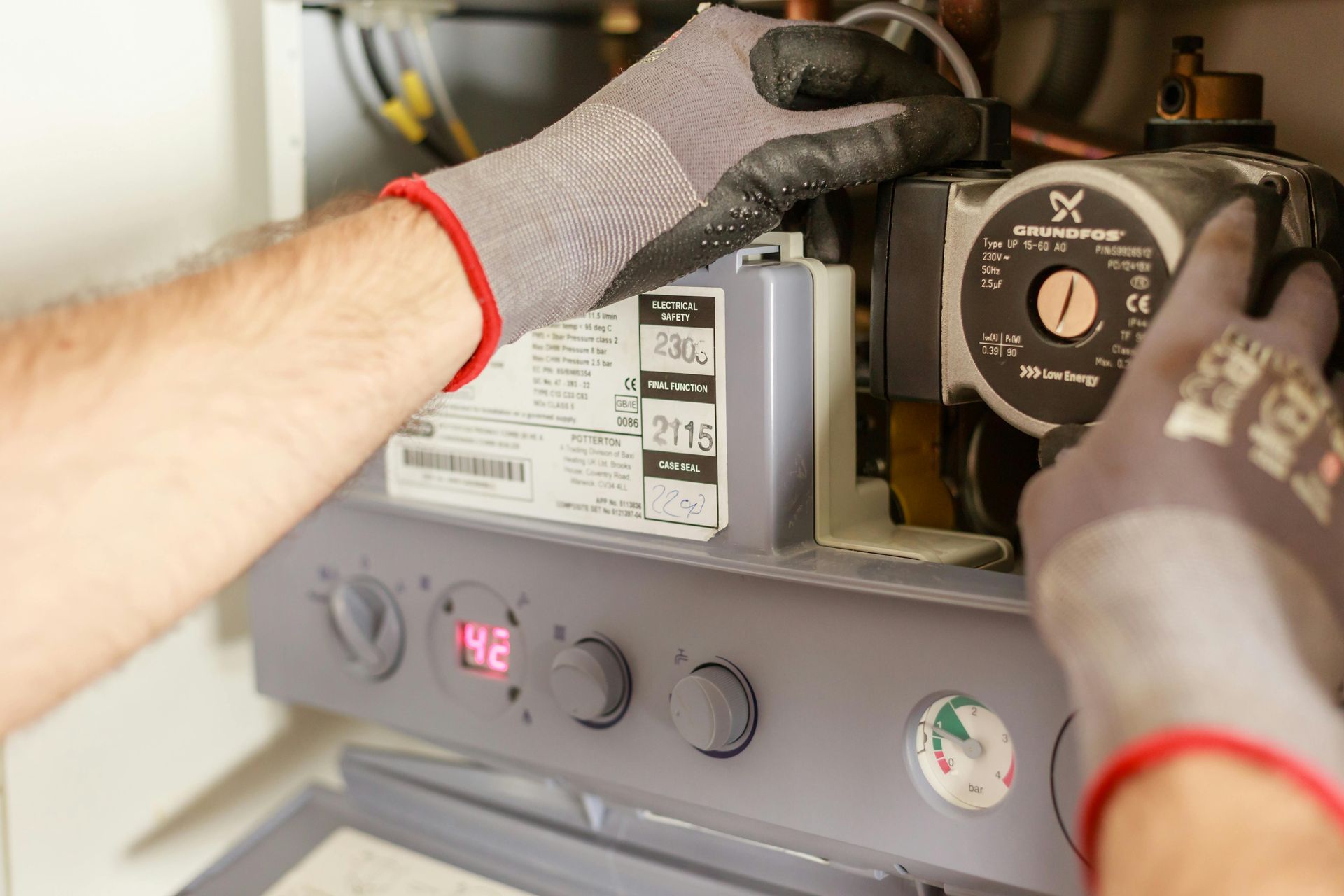
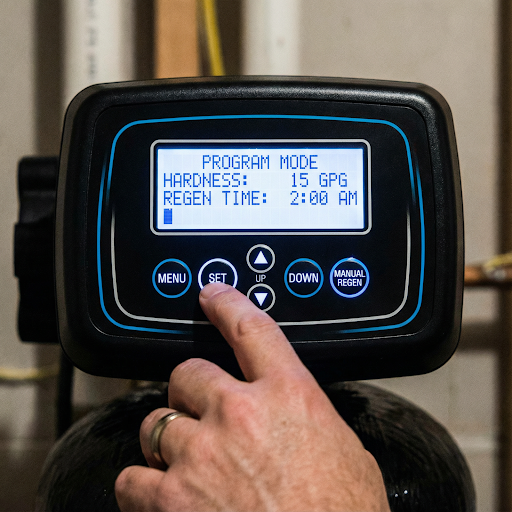
The control valve is the brain of your water softener. Most modern softeners have electronic control valves with a digital display and programmable buttons. Refer to your owner's manual for specific instructions on entering programming mode.
Common settings you'll need to adjust include:
- Water Hardness Setting: Input the GPG value you determined in Step 1.
- Regeneration Time: Most homeowners set this for late at night (e.g., 2:00 AM) when water usage is minimal, ensuring you don't run out of soft water during peak hours.
- Regeneration Frequency/Capacity: Based on your calculations in Step 2, set how often the unit regenerates. Many modern Softeners use a metered system that regenerates based on actual water usage rather than a fixed schedule, making them more efficient.
- Salt Dosage: Some advanced units allow you to adjust the salt dosage per regeneration. Consult your manual and water hardness for recommendations.
Step 4: Fine-Tuning and Monitoring
After initial programming, it's essential to monitor your system's performance:
- Test Water Hardness: Periodically test your water to ensure it's consistently soft. If not, you may need to slightly increase your hardness setting.
- Monitor Salt Usage: Monitor how quickly your softener consumes salt. Excessive usage might indicate too frequent regeneration or an incorrect setting.
- Check for Salt Bridges: Regularly inspect your brine tank for salt bridges (a crust that forms, preventing salt from dissolving). Break them up if found.
In Summary
Knowing how to set the water softener correctly is crucial for its efficiency and the continuous supply of soft water in your home. Proper programming not only saves you money on salt and water but also extends your appliance's lifespan. If you're unsure about any part of the process or need professional assistance with your Water Treatment system, Royal Class Service is here to help. Our experts can ensure your water softener is perfectly calibrated for your home's needs.
Ready to optimize your water softener's performance and enjoy perfectly soft water?
Contact Royal Class Service today for expert programming and maintenance!