Choosing between a heat pump vs. furnace for a Hudson Valley home comes down to your available fuel sources, insulation quality, and how the house actually loses heat. Both systems work well in this region, but they perform differently in cold weather, cost differently upfront, and fit different types of homes. Royal Class Service has been helping homeowners across Orange, Dutchess, Ulster, and Putnam counties make this call since 1995.
Choosing wrong means years of higher energy bills and equipment that fights your house instead of working with it. The good news is that both systems have legitimate strengths in this region. Heat pumps have closed the cold-weather performance gap over the past decade, while high-efficiency furnaces remain the most proven option for homes with existing gas lines and older insulation. This guide walks through how each system performs in a Hudson Valley winter and which factors should drive your decision.
How Heat Pumps and Furnaces Actually Work in a Hudson Valley Winter
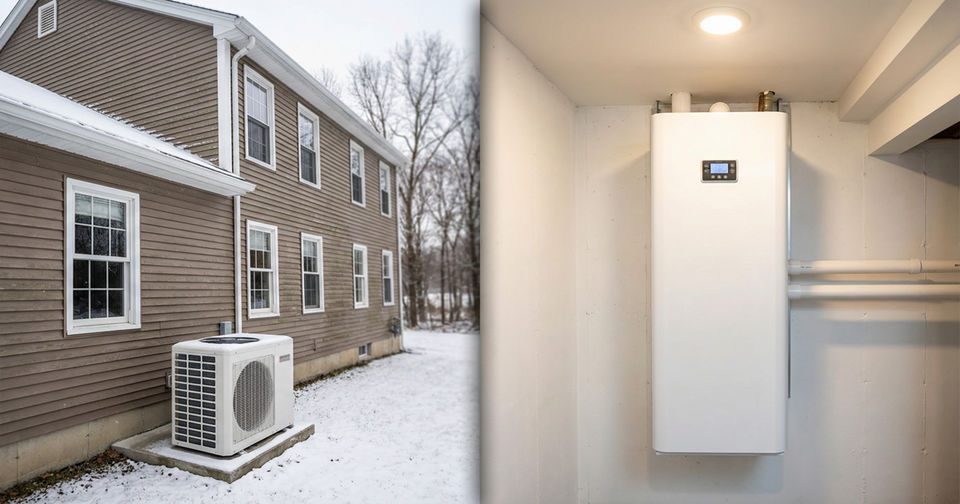
These two systems heat your home through fundamentally different mechanisms, and that difference matters when temperatures in Newburgh or New Windsor drop hard in January.
Furnaces Burn Fuel
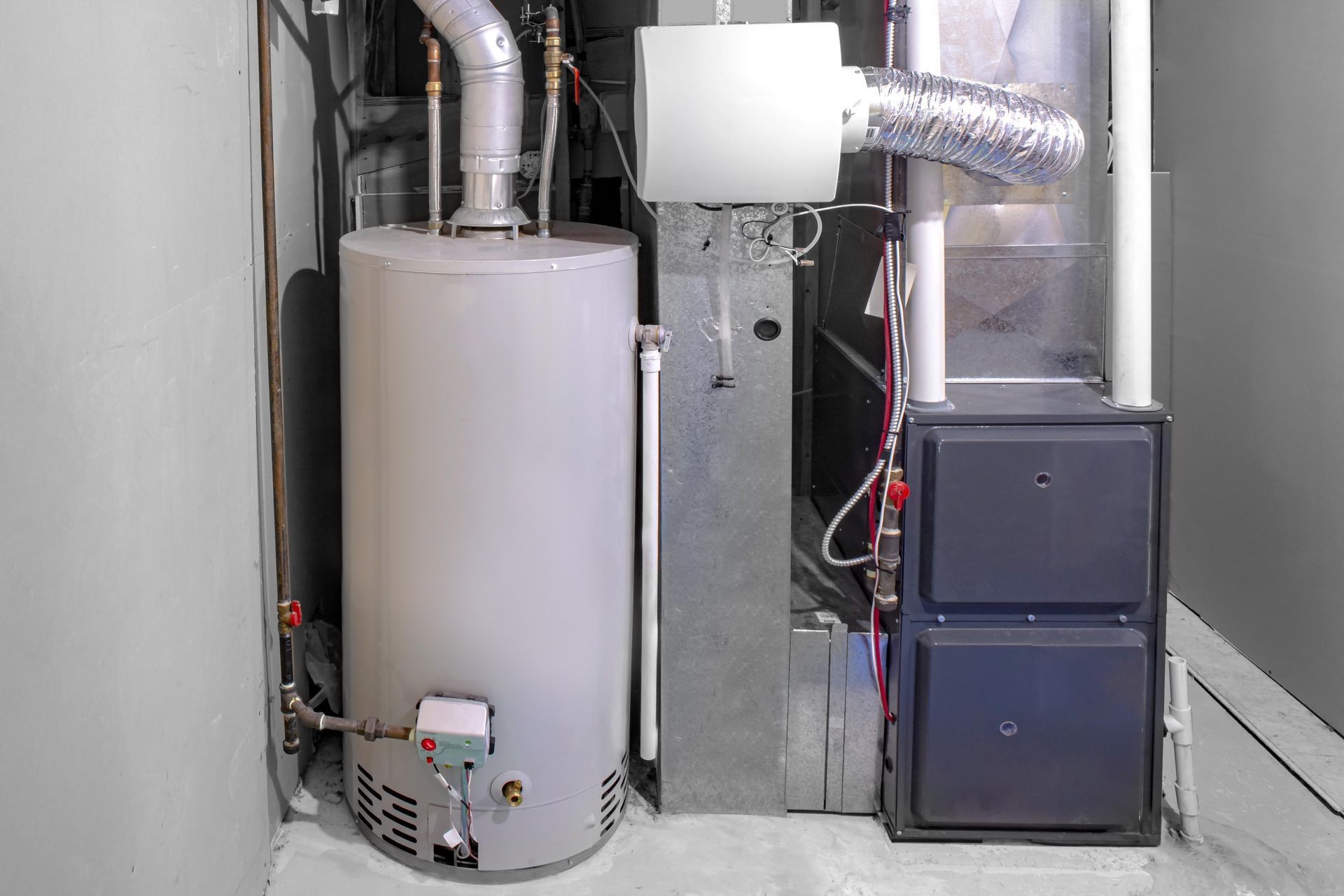
A furnace generates heat by burning fuel (natural gas or oil) and pushing that warm air through your ductwork. It's a straightforward process that produces high-temperature air quickly, which is why furnaces are effective during the sharp cold snaps the Hudson Valley sees from December through February. A gas furnace typically delivers air between 120°F and 140°F, which warms a room noticeably fast.
Heat Pumps Transfer Heat
A heat pump doesn't generate heat; it moves it. Even in cold outdoor air, there's thermal energy present. The system extracts that energy and transfers it inside, running the refrigerant cycle in reverse compared to your air conditioner. Modern cold-climate heat pumps now operate efficiently down to -13°F, closing the performance gap that made older systems impractical in colder regions.
Heat Pumps Vs. Furnaces
The key distinction for Hudson Valley homes is that heat pumps deliver lower-temperature air (typically between 85°F and 95°F) over longer run cycles. That's enough to maintain a comfortable home, but it feels different from the blast of heat a furnace produces. Some homeowners adapt easily; others find it unsatisfying.
If you have high ceilings, significant air leaks, or older insulation, a heat pump may need to work harder to compensate. Homes that have been air-sealed and properly insulated tend to get the best results from heat pump systems.
Which System Makes Sense for Your Home?
The honest answer depends on four factors: your current fuel source, your existing ductwork, your heating and cooling preferences, and your long-term cost goals.
When a Gas Furnace Is the Better Option
If your home already runs on natural gas, a high-efficiency gas furnace is often the most straightforward upgrade. Gas furnaces have lower upfront costs in most cases, straightforward installation timelines, and a performance profile that's well-matched to the hard cold stretches the Hudson Valley sees each winter.
Homeowners considering a switch from oil to gas, a popular upgrade in Orange and Dutchess counties, should look at furnace replacement options alongside an oil-to-gas conversion to understand the full cost involved.
When a Heat Pump Is Preferable
Heat pumps are the better choice when you're also looking to eliminate a separate central air conditioner. Because a heat pump handles both heating and cooling, you're replacing two systems with one. That consolidation can offset the higher upfront cost over time, and it simplifies maintenance.
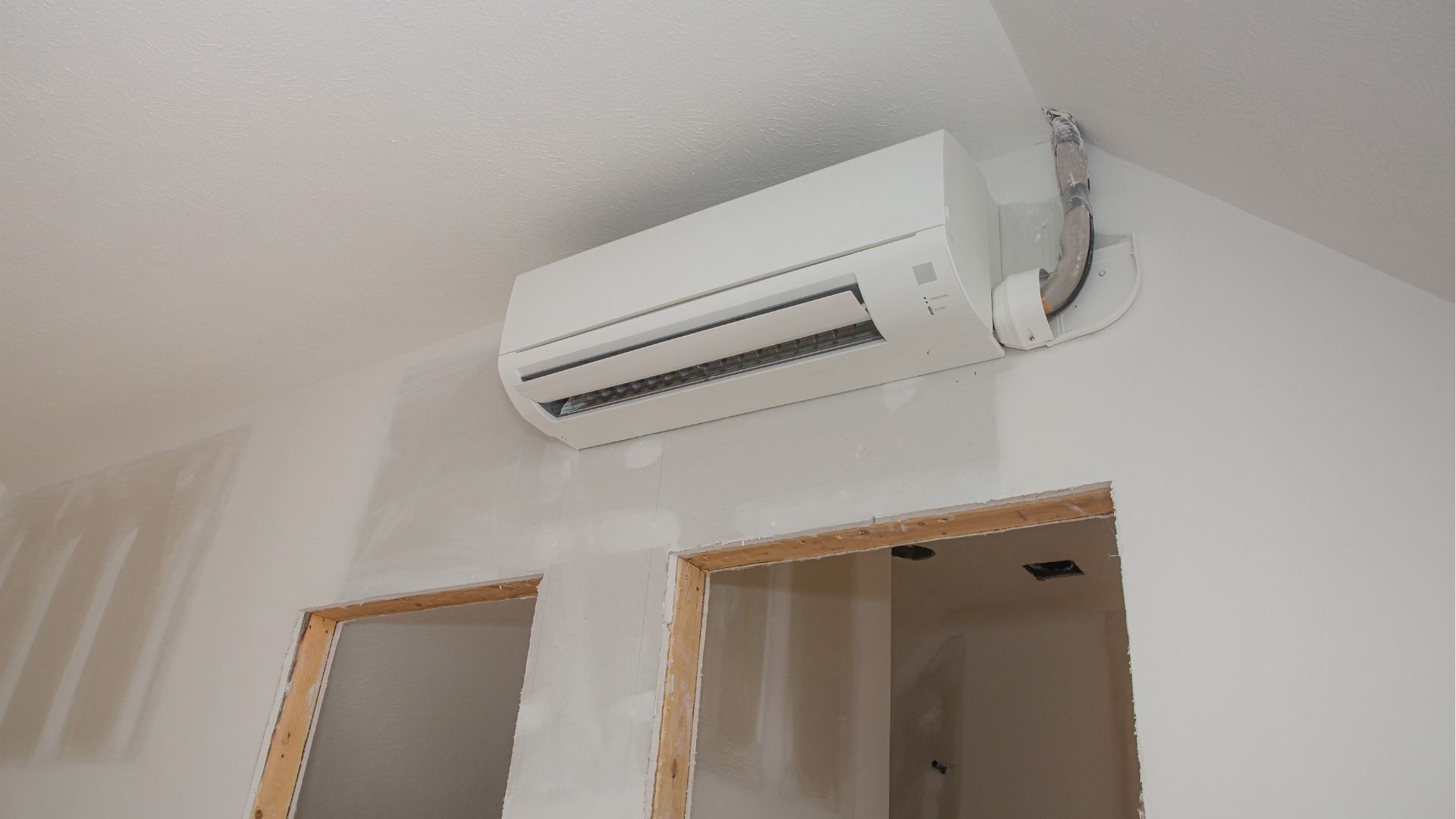
Ductless mini-split heat pumps are particularly useful in older Hudson Valley homes without existing ductwork. Many homes in Cornwall, Highland Mills, or Warwick were originally heated with baseboard radiators and have no ducts to work with.
Here's a quick breakdown of where each system tends to win:
- Furnace: better for homes with gas access, older insulation, or homeowners who prefer faster warm-up times
- Heat pump: better for homes already upgrading HVAC, adding cooling, or looking to reduce dependence on fossil fuels
- Cold-climate heat pump: best fit when paired with a properly insulated, air-sealed home
If you're replacing equipment in Newburgh or the surrounding Orange County area, the local grid mix and available utility rebates in New York State can meaningfully affect the math. New York State offers heat pump incentives through programs like NY Clean Heat that can reduce the upfront cost gap compared to a furnace.
Frequently Asked Questions
Can a heat pump handle Hudson Valley winters on its own, or does it need a backup furnace?
Modern cold-climate heat pumps are designed to operate in sub-zero temperatures and can handle most Hudson Valley winters as a standalone system. That said, homes with significant heat loss—including poor insulation, older windows, or uninsulated basements—may benefit from a backup heat source to cover the coldest weeks of the year. Calculating the proper load during installation determines whether backup heat is needed.
What is the typical lifespan of a heat pump compared to a furnace?
Heat pumps carry manufacturer ratings of 15 to 20 years, while gas furnaces are commonly rated for 15 to 25 years depending on usage and maintenance history. Royal Class Service recommends annual tune-ups for either system to maximize efficiency and catch wear before it becomes a breakdown. A system that's been neglected for several years will underperform and age faster regardless of type.
Does switching to a heat pump require replacing my existing ductwork?
Not always. If your current ductwork is in good condition and sized properly, a ducted heat pump can often connect to the existing system. Older or leaky ductwork may require sealing or resizing to deliver efficient heat distribution. Homes without ducts are better candidates for ductless mini-split heat pumps, which can be installed without any ductwork at all.
Find the Right Heating System for Your Home
Heat pumps and furnaces are both solid options for Hudson Valley homeowners. The better choice comes down to your specific home, fuel access, and long-term goals. A quick conversation about your current setup is usually enough to point you in the right direction.
Schedule a service appointment with Royal Class Service and we'll walk you through the options for your home. You can get same-day availability on weekdays when you book by noon, and our phones are answered 24/7 at
(845) 237-2275.
Recent Posts
Join the Royalty of Home Maintenance.
Get 15% off all repairs, priority scheduling, and two precision tune-ups a year.
Don't get caught off guard by hidden fees.
Use our Instant Estimator to get a clear price range in seconds.