The R-410A refrigerant phase-out is underway under the EPA's AIM Act, which began restricting HFC production in 2024. R-410A is still legal to use and service, but shrinking production quotas are already pushing refrigerant prices higher. Royal Class Service helps Hudson Valley homeowners understand how this change affects their current system and what to consider before making any replacement decision.
After over 30 years servicing cooling systems across Orange County and Dutchess County, here's something we tell homeowners that most headlines skip: this phase-out doesn't require emergency action right now. What it does require is understanding what's actually changing so you can make a smart decision when your system eventually needs one.
What the R-410A Phase-Out Actually Means (and What It Doesn't)
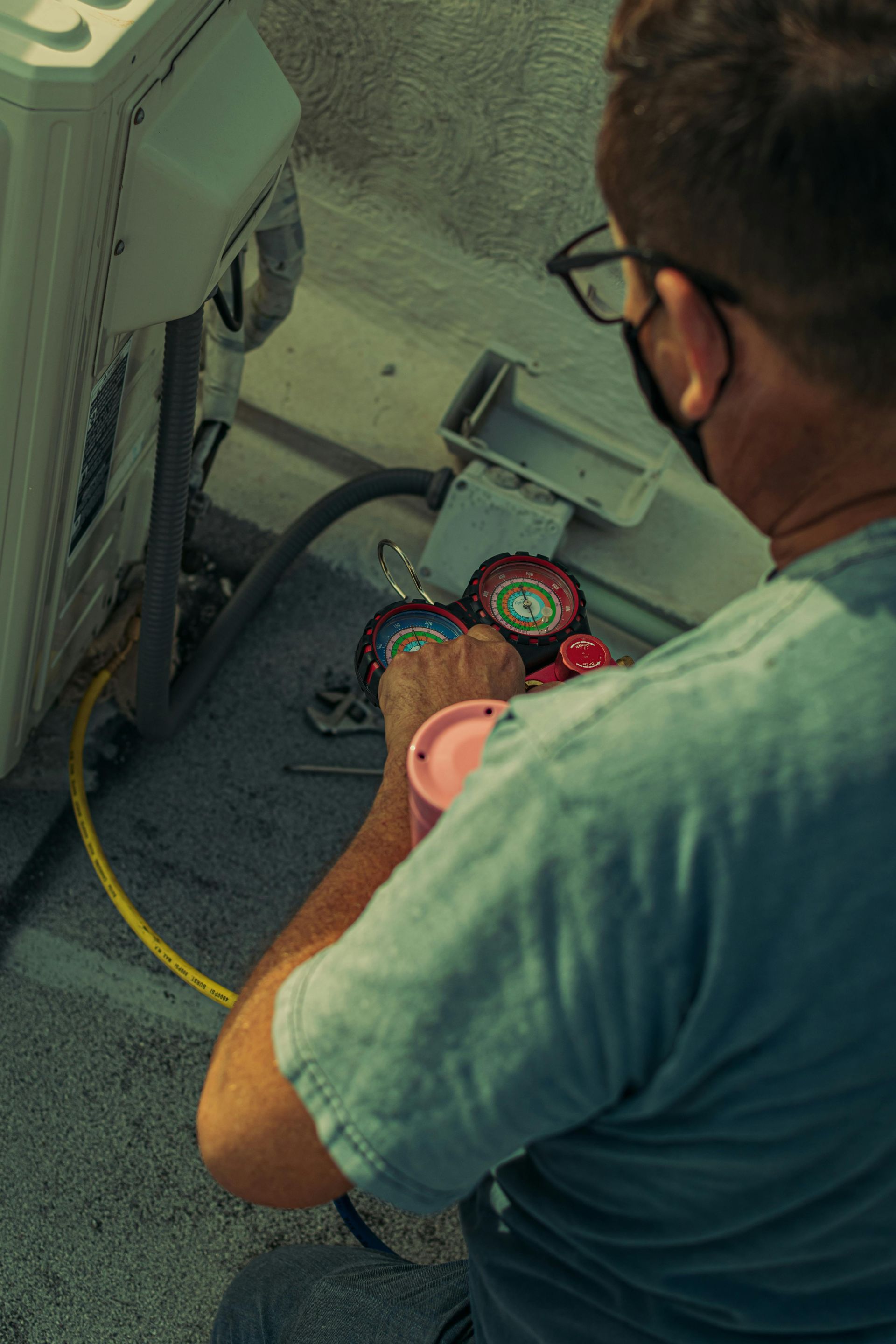
R-410A, sold under the brand name Puron, has been the standard refrigerant in residential air conditioners for two decades. Under the EPA's AIM Act, production of high-global-warming-potential HFCs—the chemical class that includes R-410A—began phasing down in 2024, with deeper production cuts required through 2036.
What this does NOT mean: your existing R-410A system is illegal, banned, or needs to be replaced on any government-mandated timeline. Existing equipment can keep running. Technicians can still purchase and use R-410A to service systems that need it. The difference is that supply is tightening, and that tightening affects price.
Why R-410A Repair Costs Are Rising in the Hudson Valley
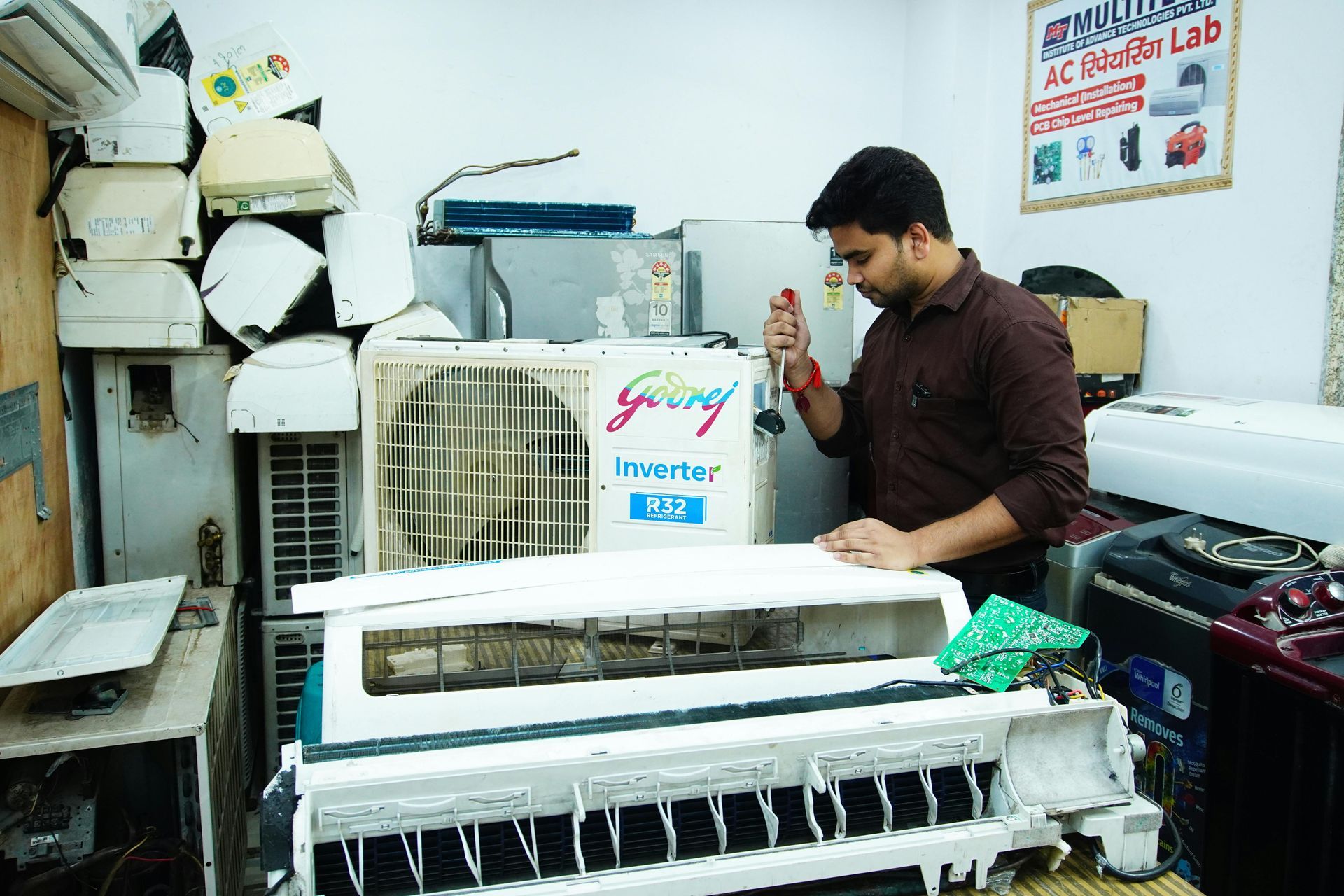
Here's the practical impact that most homeowners will feel first: if your AC system needs a refrigerant recharge , it's going to cost more than it did two or three years ago. R-410A wholesale pricing has climbed significantly as production quotas tighten, and those costs are passed on during every service call.
Hudson Valley homes (particularly older housing stock in areas like Newburgh and New Windsor) often run systems that are 12 to 18 years old. A 15-year-old unit with a refrigerant leak now faces a real calculation: repair bills can climb to a point where the cost of replacement is worth considering. A minor leak on a well-maintained system can still be the right call. The math just isn't what it used to be.
The New Refrigerants: R-454B and R-32 Explained
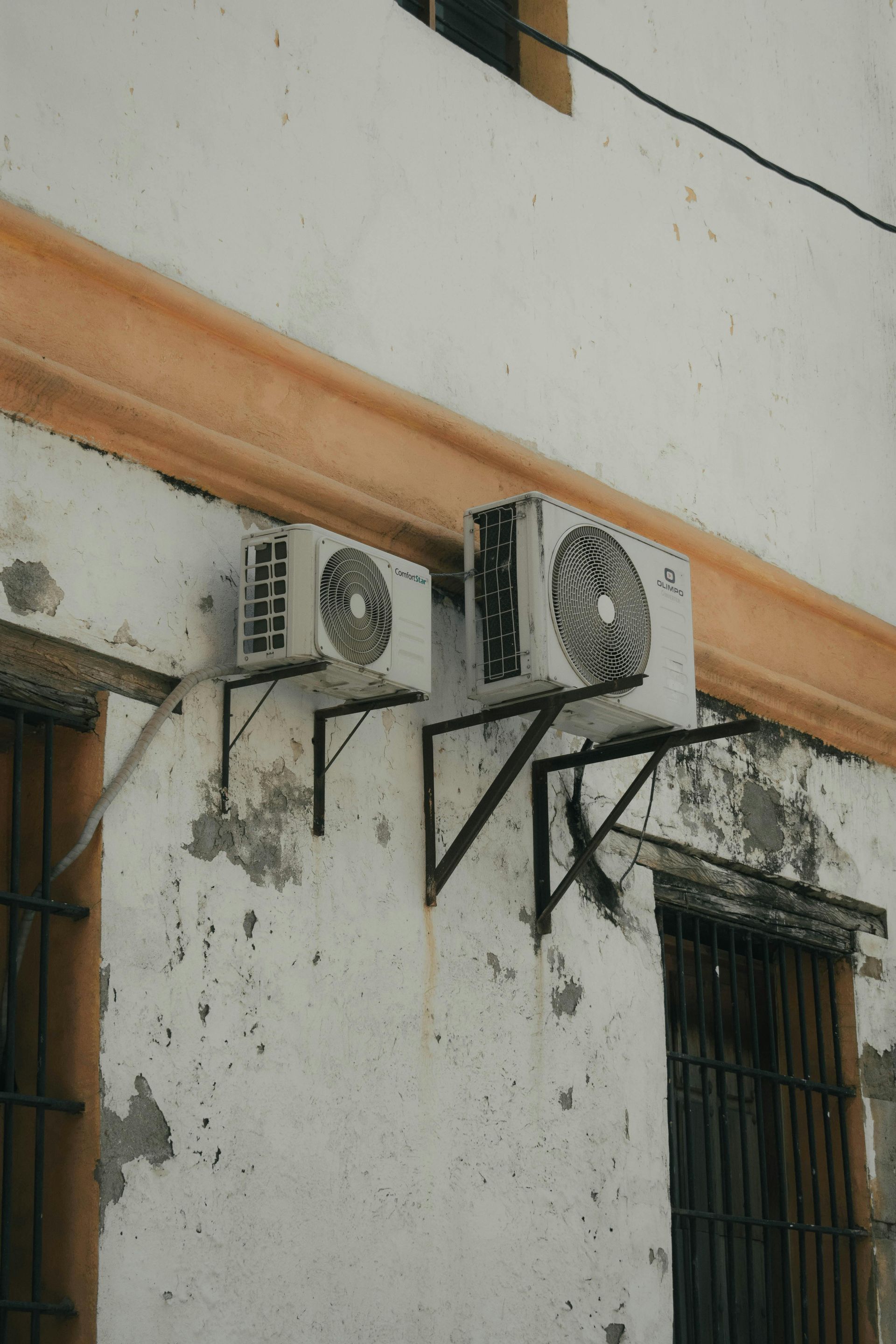
New residential AC systems are transitioning to lower-GWP refrigerants, primarily R-454B (sold as Solstice N41) and R-32. Both carry significantly lower global warming potential than R-410A. According to EPA data, R-454B reduces GWP by roughly 78% and R-32 by about 68% compared to R-410A.
A few things to know about these newer refrigerants:
- They're mildly flammable (A2L classification), but this is managed at the equipment and installation level. Homeowners don't need to take any action.
- Existing R-410A equipment cannot be retrofitted to run R-454B or R-32. The refrigerants are not cross-compatible.
- Technicians need updated EPA Section 608 certification to handle new refrigerants. Royal Class Service's team is certified and trained on current systems.
If you're considering AC installation in the Hudson Valley , any system installed today already uses the next-generation refrigerant with no compatibility concerns down the road.
When To Repair Your Existing System vs. Replace It
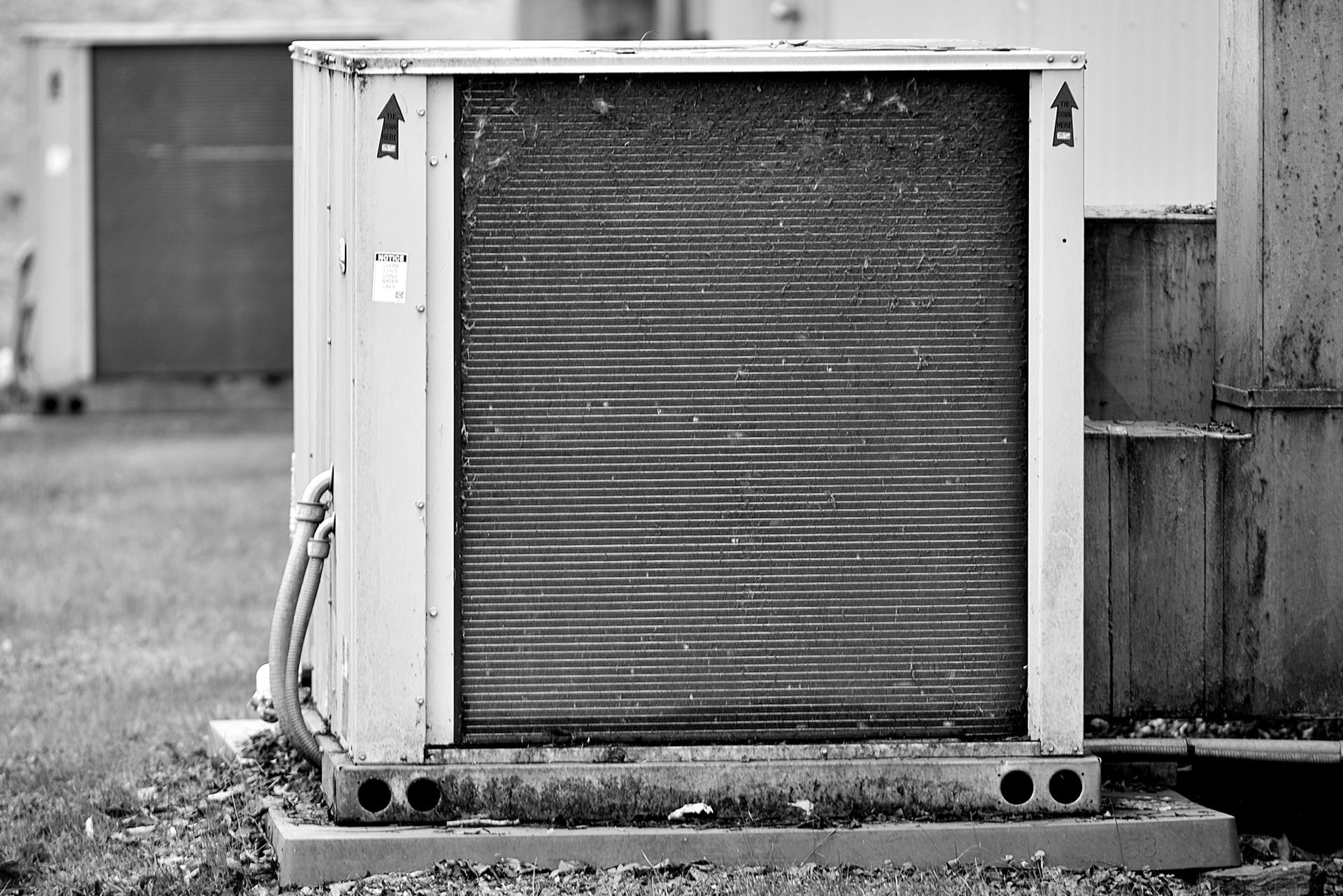
The decision comes down to age, condition, and repair cost relative to replacement. A system under 10 years old with a minor, isolated leak is typically worth repairing. A system over 15 years old facing major refrigerant loss or compressor failure is a different calculation. Repair costs are stacked against equipment that is already approaching end of life.
For Hudson Valley homeowners running aging systems, the cost of a new HVAC system varies by unit size, efficiency, and installation complexity, but replacing now means modern refrigerant and better SEER2 ratings. New York's rising electricity costs make that efficiency gap real. We recommend reviewing your air conditioning options before committing to a major repair on older equipment.
Frequently Asked Questions
Do I have to replace my R-410A air conditioner because of the phase-out?
No. The phase-out restricts the new production of R-410A, not the use of existing equipment. Your current system can legally keep running and be serviced for years to come. The practical effect is that R-410A repair and recharge costs will rise as supply tightens.
How long will R-410A still be available for service?
R-410A will remain available for servicing existing equipment for many years, though the supply is shrinking as EPA production quotas tighten through 2036. Royal Class Service stocks refrigerant for current systems and monitors availability so Hudson Valley homeowners aren't caught off guard when supply gets tight.
Is R-454B safe in a home after a new AC installation?
R-454B is mildly flammable under its laboratory safety classification, but residential AC systems are designed and tested specifically so they can safely use R-454B. The real-world flammability risk under normal operating conditions is extremely low, and standard installation practices fully account for it.
Make the Right Call for Your Cooling System
The R-410A phase-out is a real change, but it isn't a reason to replace a functional system before the numbers support it. Royal Class Service has been helping homeowners across Orange County, Dutchess County, and the Hudson Valley consider their options since 1995. Contact us to schedule a system assessment. It's Royal Class or it's just average.
Recent Posts
Join the Royalty of Home Maintenance.
Get 15% off all repairs, priority scheduling, and two precision tune-ups a year.
Don't get caught off guard by hidden fees.
Use our Instant Estimator to get a clear price range in seconds.