Boiler vs. furnace is a key heating decision for Hudson Valley homeowners looking to replace aging equipment. The right answer comes from considering your home's age, existing infrastructure, and fuel source. Both systems are proven in cold climates but fit different homes. Royal Class Service has been helping Orange, Dutchess, Ulster, and Putnam county homeowners make this call since 1995.
If you've been researching this for more than twenty minutes, you've found compelling cases for both sides. Both are legitimate, depending on the home. The Hudson Valley's housing stock makes this complicated: older colonials in Newburgh and Kingston were typically built around hydronic (hot-water) systems, while newer homes in Warwick and Fishkill almost universally run on forced air. Your existing infrastructure often makes this decision for you.
How Boilers and Furnaces Actually Work
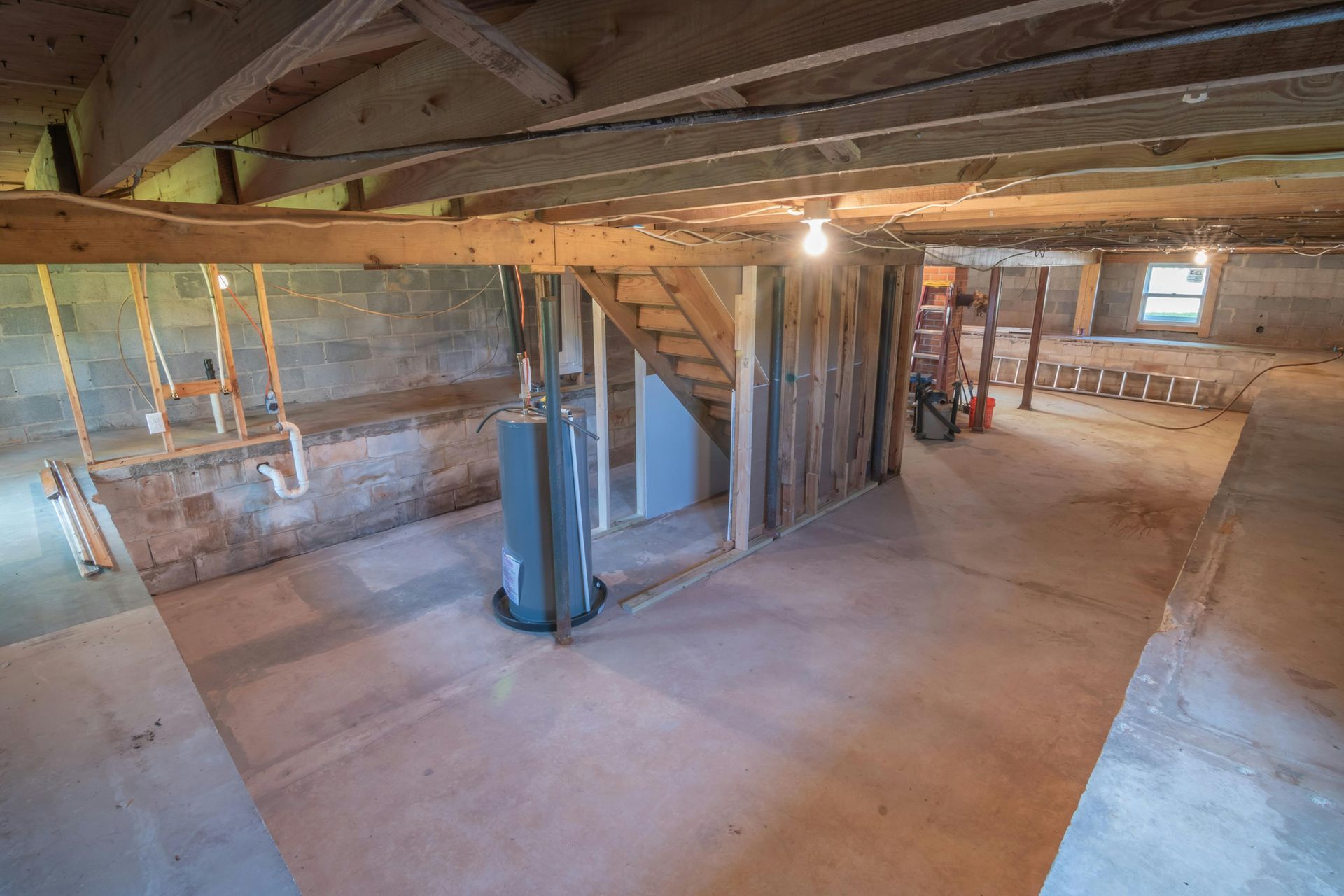
These two systems heat a house through fundamentally different mechanisms. That difference matters when January in the Hudson Valley is running hard.
Furnace: Burns Fuel
A furnace burns fuel to heat air directly, then pushes it through ducts and out of registers. Air from a gas furnace register typically runs 120°F to 140°F, a quick blast of heat that's effective during the sharp cold snaps this region sees every winter. Homes with ductwork can run the same system for cooling, which is a practical advantage given the Hudson Valley's humid summers.
Boiler: Heats Water
A boiler heats water and circulates it through pipes to radiators or baseboard units. The heat radiates gradually from those surfaces, which many homeowners find more consistent and comfortable than forced air. Hydronic systems don't circulate dust, don't dry out indoor air, and hold heat well in rooms with limited ventilation—important in older, less air-sealed homes.
According to the U.S. Department of Energy, both system types are rated by Annual Fuel Utilization Efficiency (AFUE). High-efficiency gas furnaces and boilers both hit 95%+ AFUE ratings today, so efficiency is no longer the tiebreaker it once was.
Which System Fits Hudson Valley Homes?
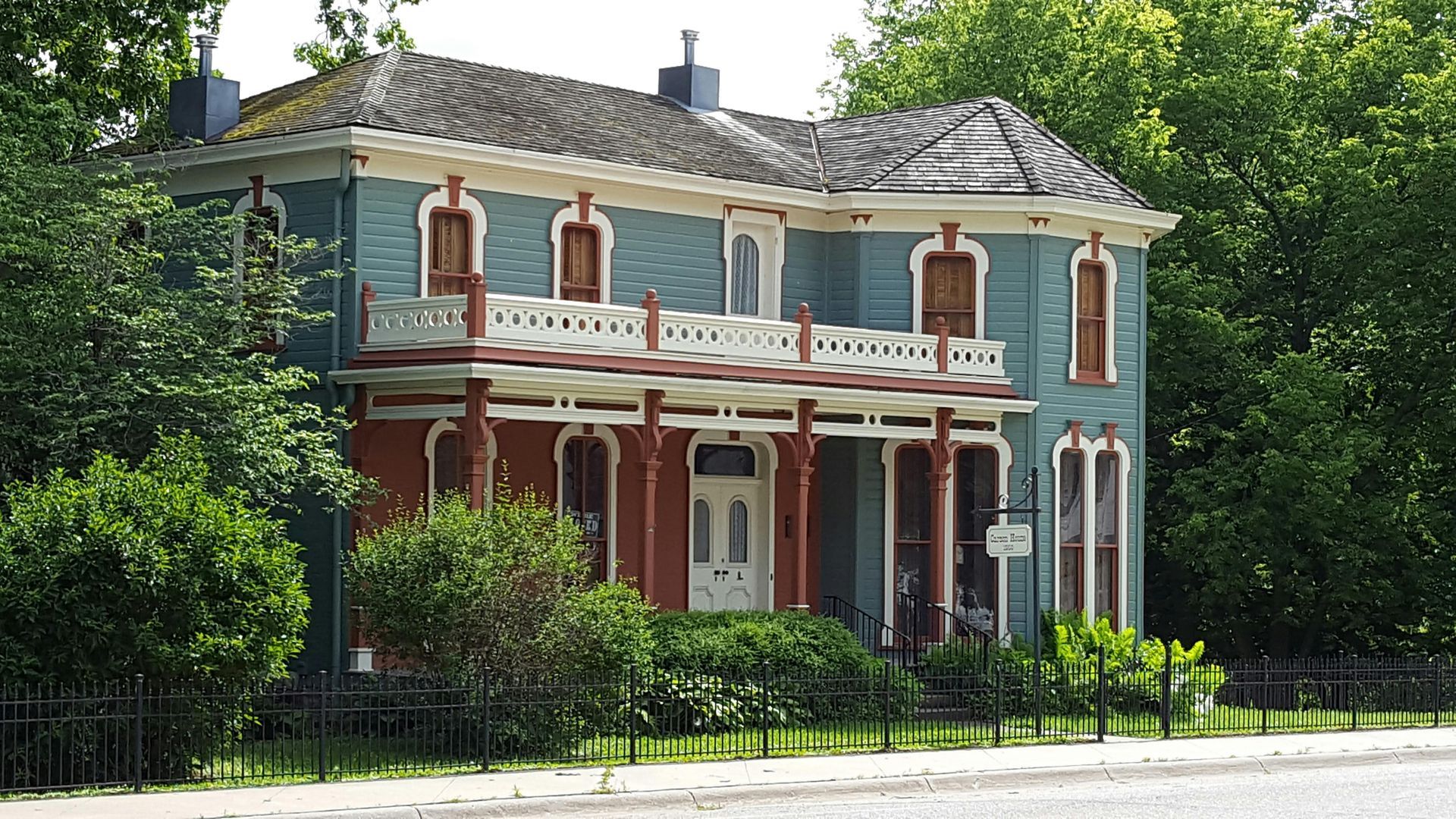
The region's housing stock points most homeowners in a clear direction. Older homes (pre-1970s colonials and Victorians in Newburgh , Poughkeepsie, and Kingston) were built with steam or hot-water heating. Many still have their original piping and radiators in place. For those homes, boiler replacement is usually the lower-disruption, lower-cost path. Retrofitting a Victorian with ductwork through plaster walls is a major undertaking.
For homes built in the 1980s and beyond, ductwork is almost always present, and a furnace replacement is typically a direct swap: same footprint, same connections, minimal changes to the structure.
Fuel source also matters. Natural gas keeps either system cost-effective. If your home runs on oil, high-efficiency condensing equipment requires a fuel conversion. That makes it worth considering heat pump options alongside this comparison, since the cost of fuel sometimes changes the answer.
What Installation Actually Costs
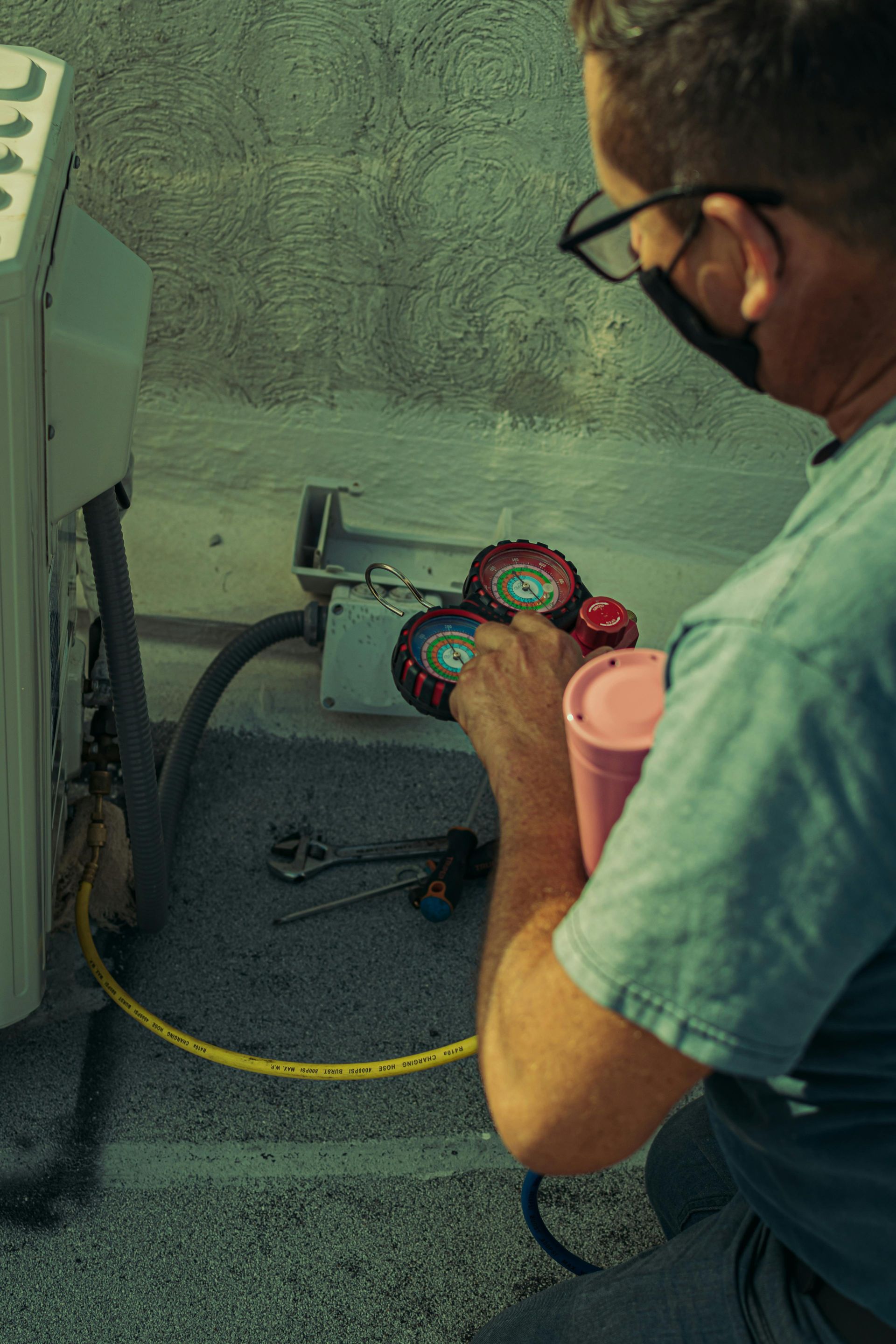
A boiler or furnace replacement in a home with existing infrastructure typically falls in the $3,000 to $6,000 range installed, depending on equipment tier and labor. The cost climbs fast when infrastructure doesn't exist. Adding ductwork to an older plaster-walled home can add $5,000 or more depending on layout and access, and running new hydronic piping is a comparable undertaking.
The smartest starting point is having a technician assess what your home already has and whether it's in shape to reuse. That assessment directly determines which path costs less.
Frequently Asked Questions
Can a boiler also supply domestic hot water?
Yes. Combination boilers (called combi boilers) provide both space heating and hot water from a single unit. Royal Class Service can evaluate whether a combi system fits your household's demand. Output capacity is the key variable, and larger households with simultaneous draws may still benefit from a separate water heater.
How long do boilers and furnaces typically last?
Well-maintained gas furnaces carry manufacturer-rated lifespans of 15 to 20 years. Boilers, particularly cast-iron models, carry manufacturer-rated lifespans of 20 to 30 years with annual maintenance. Either system will age faster when maintenance is deferred. A unit neglected for several years will underperform well before it reaches its rated lifespan.
Is one system better for homes with uneven room temperatures?
Hydronic systems handle zoning more easily than forced-air systems, making them a natural fit for larger older homes where some rooms are rarely used. Forced-air zoning is achievable but requires damper controls and additional equipment. The right answer depends on your home's floor plan and how significant the temperature variation currently is.
Choose the Right System for Your Home
Homes with existing hydronic piping almost always make more sense as boiler candidates. Homes with ductwork point toward furnaces. The harder calls (mid-renovation projects, fuel source conversions, homes starting from scratch) are where an in-person assessment matters most.
Royal Class Service serves Orange, Dutchess, Ulster, and Putnam county homeowners with same-day service when you book by noon on weekdays. Call (845) 237-2275 anytime (live phones, 24/7) or schedule a heating consultation online to find out which system fits your home.
Recent Posts
Join the Royalty of Home Maintenance.
Get 15% off all repairs, priority scheduling, and two precision tune-ups a year.
Don't get caught off guard by hidden fees.
Use our Instant Estimator to get a clear price range in seconds.