HVAC Zoning Systems: Understanding How They Work
An HVAC zoning system divides a home into independently controlled areas, each with its own thermostat, so different floors or rooms reach different target temperatures at the same time. Motorized dampers inside the ductwork direct airflow where it's needed. Royal Class Service installs and services zoning systems for homeowners across Orange County, Dutchess County , and the broader Hudson Valley.
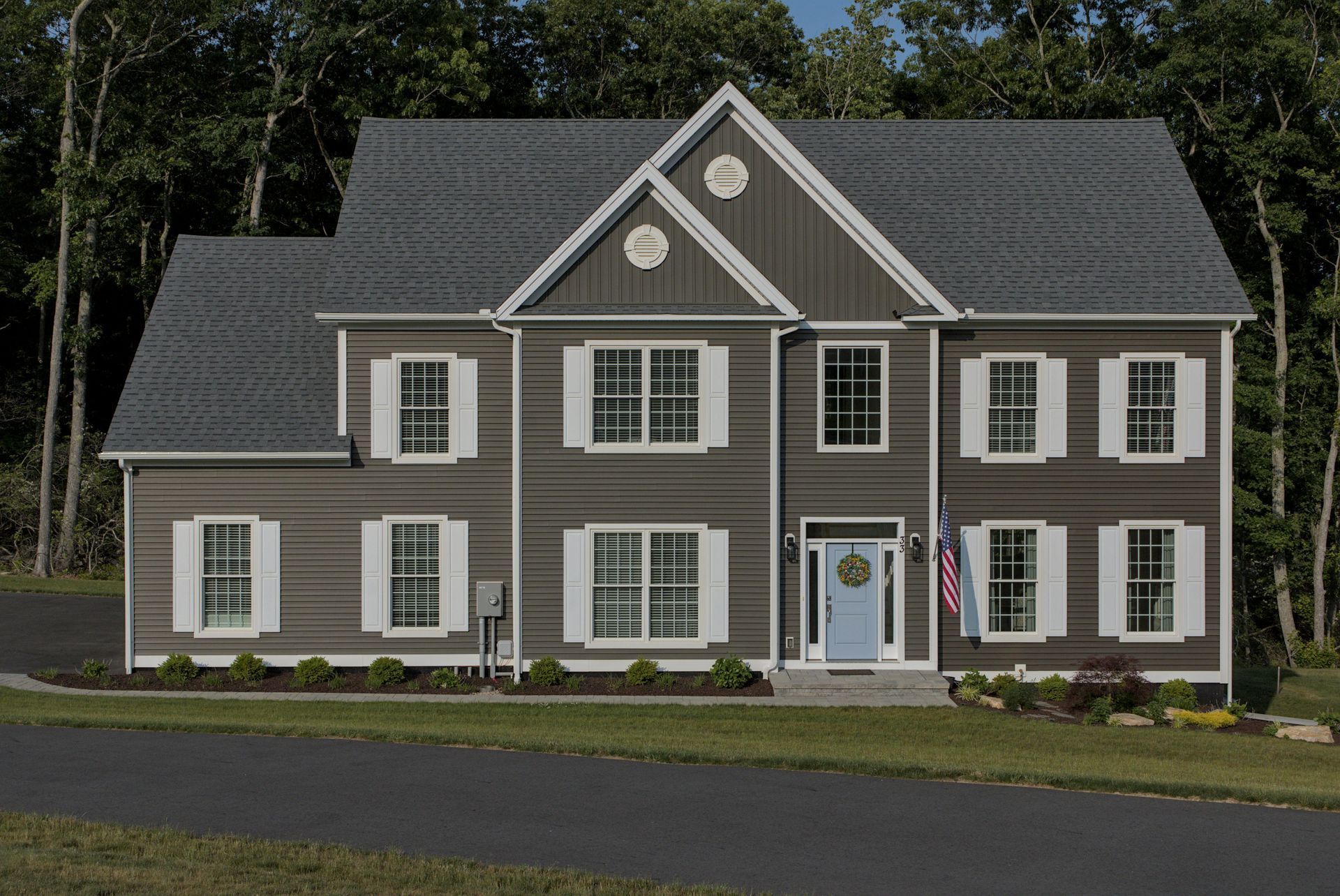
The upstairs of a two-story colonial in Newburgh can run 8 to 10 degrees warmer than the first floor on a July afternoon, and that has nothing to do with undersized equipment. Heat rises, rooflines absorb radiant heat, and south-facing windows drive the upper-floor load higher. One thermostat can't solve that. Zoning can, by treating each floor as its own comfort environment with its own temperature target.
What an HVAC Zoning System Actually Is
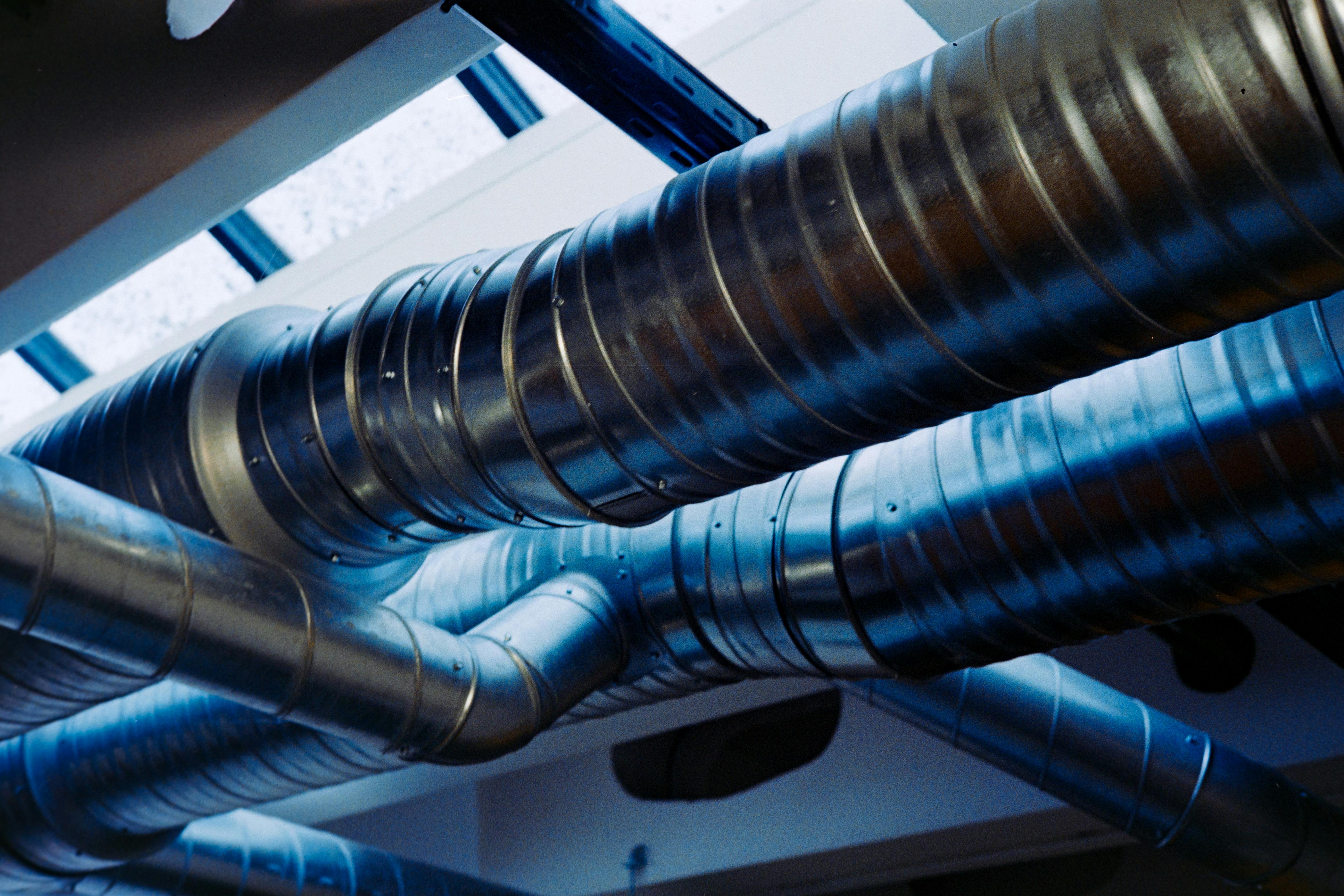
A zoning system has three main components: motorized dampers in the ductwork, a thermostat in each zone, and a zone control board that coordinates them. Each thermostat sends a call to the control board, which opens the right damper and signals the HVAC equipment to run. When the zone hits its target temperature, that damper closes while others keep running.
This is different from closing vents by hand. Manual vent adjustment increases static pressure and strains the equipment over time. A zoning system handles variable airflow through a bypass damper or variable-speed air handler that modulates output to match demand. Most systems handle two to eight zones. Hudson Valley colonials typically run two (main floor and upper floor), while finished basements or bonus rooms often justify a third. If you're exploring AC installation in a multi-story home, zoning belongs in that conversation.
Which Homes Benefit Most from Zoning
Zoning delivers the clearest payoff in homes where temperature complaints are common. That describes a lot of the two-story colonials and split-levels across Orange and Dutchess counties. Beyond floor-level separation, these situations benefit most:
- Homes with a finished basement used as a living space or home office
- Properties with large south- or west-facing windows driving solar heat gain in specific rooms
- Houses with an addition that wasn't designed around the original duct system
- Homes where one person consistently runs warm and another runs cold
The heating installation side matters just as much. In Hudson Valley winters, upper floors of older homes overheat while the furnace keeps the first floor comfortable. Zoning lets you dial back heat delivery upstairs without sacrificing warmth below. Zoning can meaningfully reduce heating and cooling costs in multi-story homes by directing conditioned air only where it's needed, rather than treating the entire house as one zone.
What Installation Involves
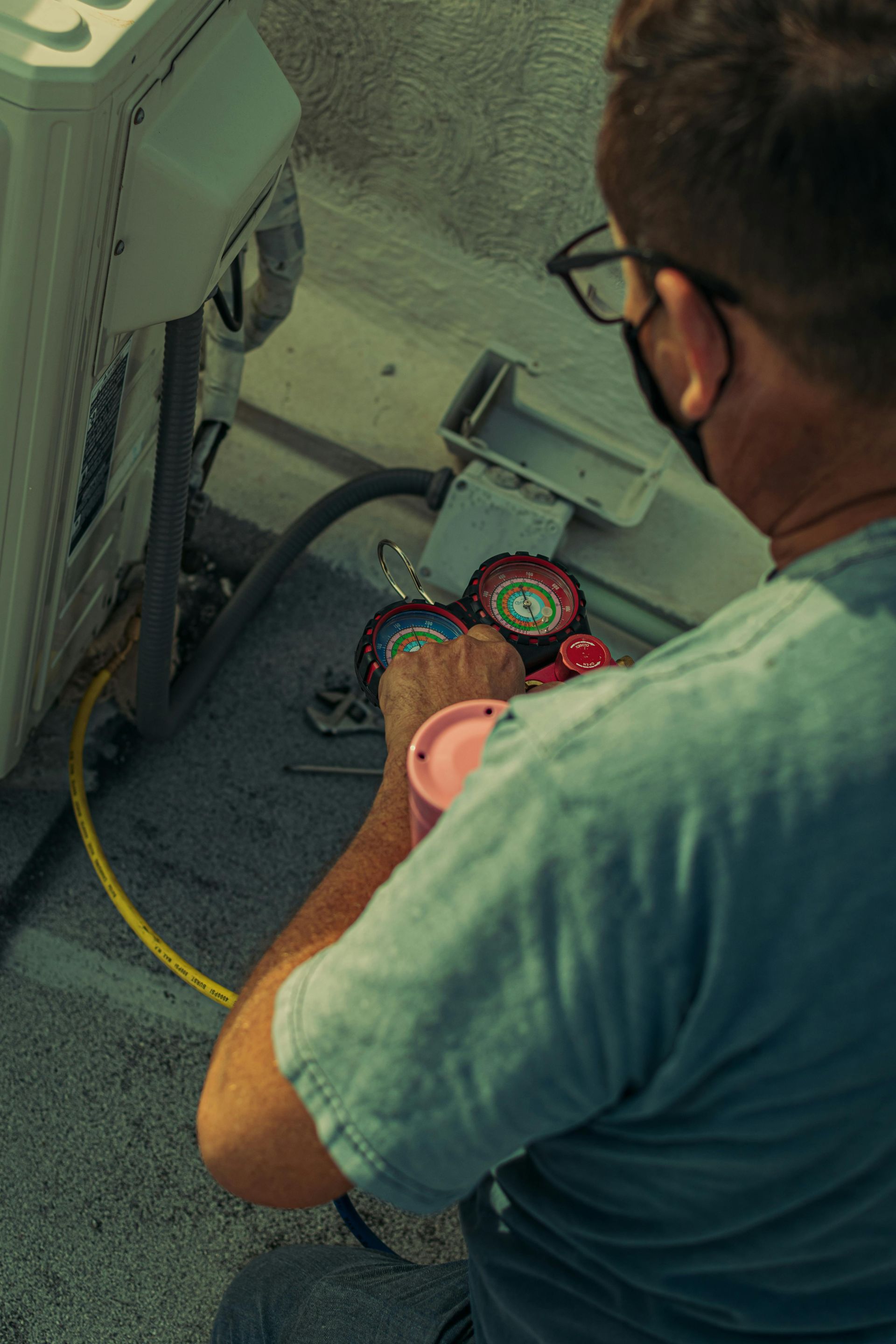
A zoning retrofit starts with a ductwork assessment. A technician maps the branch runs and identifies where to cut in dampers based on how the ductwork serves each area. Wiring runs back to the control panel near the air handler, and each zone thermostat is mounted and programmed.
The process typically takes one to two days depending on the number of zones and duct accessibility. Attic and crawl space runs are generally straightforward; finished ceilings can add time. The air conditioning system may also need evaluation after zoning is added. Older single-stage equipment isn't always well-suited to variable zone demand. A technician can assess whether the existing system handles the change or whether upgrading simultaneously makes more sense.
Frequently Asked Questions
Can I add zoning to my existing HVAC system?
Most forced-air systems can be retrofitted with zoning, but compatibility depends on the equipment. Single-stage systems can work with a bypass damper to manage excess pressure, but variable-speed systems handle it more efficiently. A technician needs to evaluate duct layout and equipment capacity before recommending a specific approach for your home.
How many zones does a typical Hudson Valley home need?
Two zones (main floor and upper floor) cover most two-story Hudson Valley homes well. Homes with finished basements, bonus rooms, or additions often benefit from a third. Royal Class Service evaluates each home's layout individually to recommend the right configuration for the space.
Does zoning work with a heat pump system?
Yes. Zoning works with ducted heat pump systems. The control logic is the same: dampers modulate airflow based on thermostat calls. Variable-capacity heat pumps pair especially well with zoning because they can ramp output down to match reduced demand when only one zone is calling, rather than cycling on at full capacity.
Ensure Comfort on Every Floor
HVAC zoning gives Hudson Valley homeowners a practical solution to the comfort gap that a single thermostat never solves. Whether you're planning a new installation or retrofitting an existing heating system , Royal Class Service has been serving homeowners across Orange and Dutchess counties since 1995. Call (845) 237-2275 anytime, or book a schedule online.