
Is your HVAC system working harder than usual, making strange noises, or leaving some rooms too warm while others stay cold? The hidden culprit could be static pressure. But what is static pressure in HVAC, and why should you care about it?
Static pressure is the resistance to airflow inside your ductwork — and it's one of the single biggest factors affecting how well your heating and cooling equipment performs. Understanding it can save you money, prevent breakdowns, and extend the life of your system.
What Is Static Pressure in HVAC?
Think of static pressure like blood pressure for your HVAC system. Just as a doctor checks blood pressure to assess cardiovascular health, HVAC technicians measure static pressure to evaluate the health of your ductwork and equipment.
Here's what you need to know:
- What it measures: The force air exerts against the walls of your ductwork as the blower motor pushes it through the system
- How it's measured: In inches of water column (inches WC), using a device called a manometer
- Normal range: Most residential systems are designed to operate between0.5 and 0.8 inches WC
When static pressure falls outside this range, especially when it's too high, your system struggles to deliver the right amount of conditioned air to every room.
What Causes High Static Pressure?
High static pressure is the more common problem, occurring whenever something restricts airflow through your ductwork. The most frequent causes include:
- Dirty or clogged air filters— The number-one cause. A filter packed with dust and debris forces the blower motor to work much harder. This is why maintaining clean air quality goes hand in hand with proper HVAC maintenance.
- Undersized ductwork— Ducts that are too small for the volume of air your system needs to move. This is especially common when a larger HVAC system has been installed without upgrading the existing ductwork.
- Closed or blocked supply registers— Furniture over vents, closed dampers, or registers shut off in unused rooms
- Excessive duct length or too many turns— Every bend and extra foot of ductwork adds resistance
- Collapsed or kinked flex ductwork— Common in attics and crawl spaces
- Dirty evaporator or condenser coils— Buildup on coils restricts the air passing over them
Signs Your HVAC Has Static Pressure Problems
Watch for these warning signs that your system may have abnormal static pressure:
- Hot and cold spots— Certain rooms are always warmer or cooler than others, no matter how you adjust the thermostat
- Whistling or rushing sounds— Air being forced through a restricted opening creates noise, similar to blowing through a narrow straw
- Higher energy bills— When the blower motor works overtime to push air through restrictions, it consumes significantly more electricity
- Frequent system cycling— The system turns on and off more often than normal
If these sound familiar, it's time for a professional evaluation. Recognizing these issues early is part of understandingwhy regular HVAC maintenance matters.
How Static Pressure Damages Your HVAC Equipment
The consequences go well beyond uneven room temperatures:
- Blower motor wear— The motor runs at higher speeds and generates excess heat, accelerating bearing and belt wear, and potentially shortening the motor's life by years
- Frozen evaporator coils— In cooling mode, restricted airflow causes ice to form on the coil, cutting cooling capacity and potentially causing water damage when it melts
- Cracked heat exchangers— In heating mode, insufficient airflow causes the heat exchanger to overheat, which can createdangerous carbon monoxide leaks
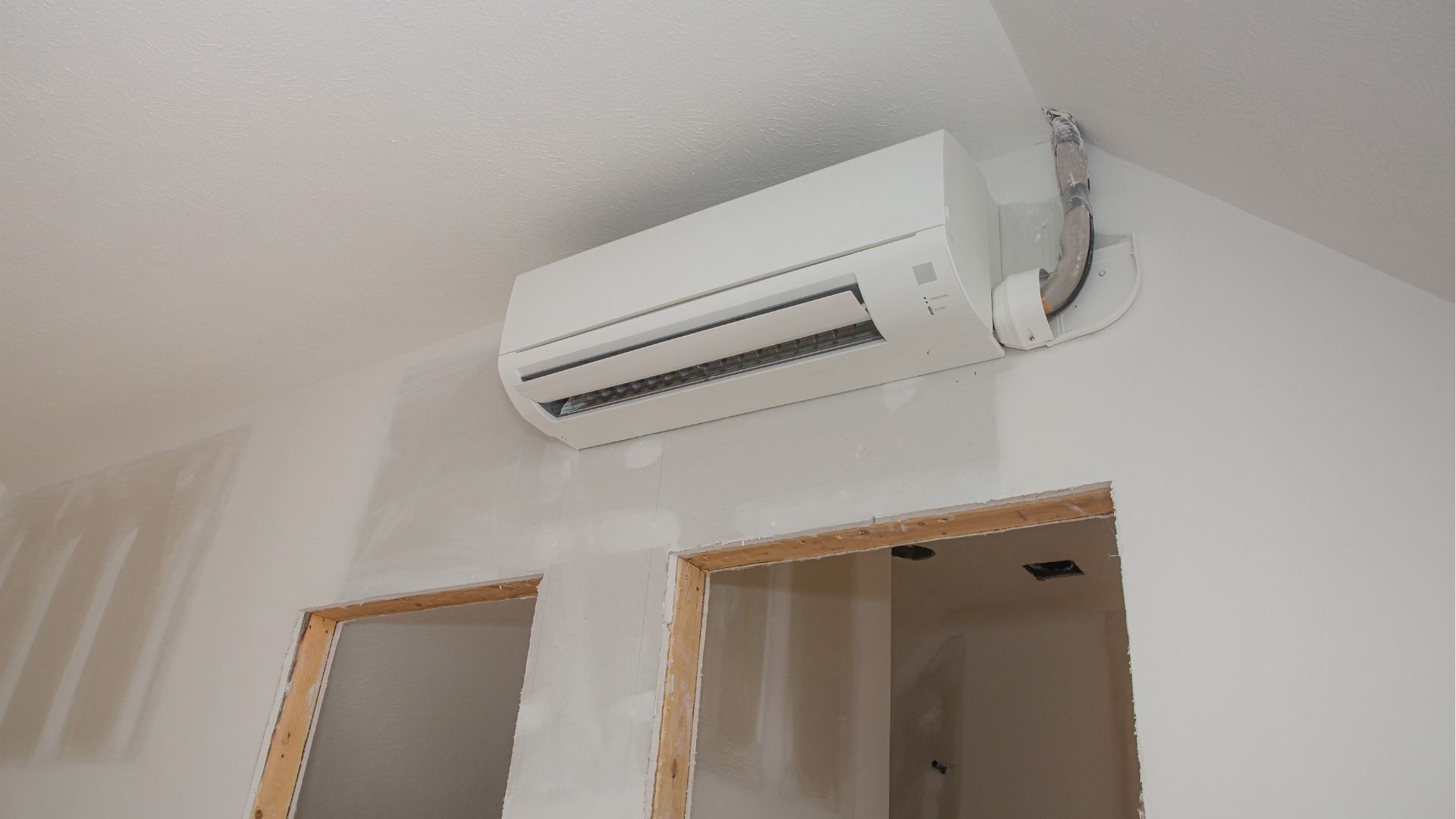
Many HVAC systems that fail prematurely were actually operating under excessive static pressure for years. For homeowners looking to avoid ductwork-related issues entirely, ductless HVAC configurations are worth considering.
How to Fix Static Pressure Problems
Start with the simplest fix first, then work up from there:
- Check and replace your air filter. Use the correct MERV rating for your system — high enough to capture particles, but not so dense that it chokes airflow.
- Open all supply registers and return vents. Make sure nothing is blocking them.
- Schedule a professional static pressure test. A technician can pinpoint exactly where the restriction is and recommend targeted solutions.
Professional fixes may include adding return air ducts, replacing undersized ductwork sections, sealing duct leaks, cleaning the evaporator coil, or upgrading to avariable-speed blower motor that automatically adjusts to changing conditions.
Get Your HVAC Static Pressure Checked
Static pressure is a critical but often overlooked factor in HVAC performance. If you're dealing with uneven temperatures, rising energy bills, or unusual system noises, a professional static pressure evaluation can identify the root cause and get your system running efficiently again.
At Royal Class Service, our certified HVAC technicians include static pressure testing as part of every comprehensive inspection. We serve homeowners throughout the Hudson Valley and greater New York area.
Contact Royal Class Service today to schedule your HVAC performance evaluation.
Recent Posts
Join the Royalty of Home Maintenance.
Get 15% off all repairs, priority scheduling, and two precision tune-ups a year.
Don't get caught off guard by hidden fees.
Use our Instant Estimator to get a clear price range in seconds.