
A clogged AC drain line is one of the most common air conditioning problems homeowners face, especially during humid Hudson Valley summers. When the condensate drain line gets blocked, water backs up and can overflow, causing water damage, system shutdowns, and mold growth. The good news? Learning how to unclog your AC drain line is straightforward, and many homeowners can handle it themselves.
In this guide, our professional HVAC technicians share their proven methods for clearing a clogged drain line, plus tips to prevent it from happening again.
Why Does Your AC Drain Line Get Clogged?
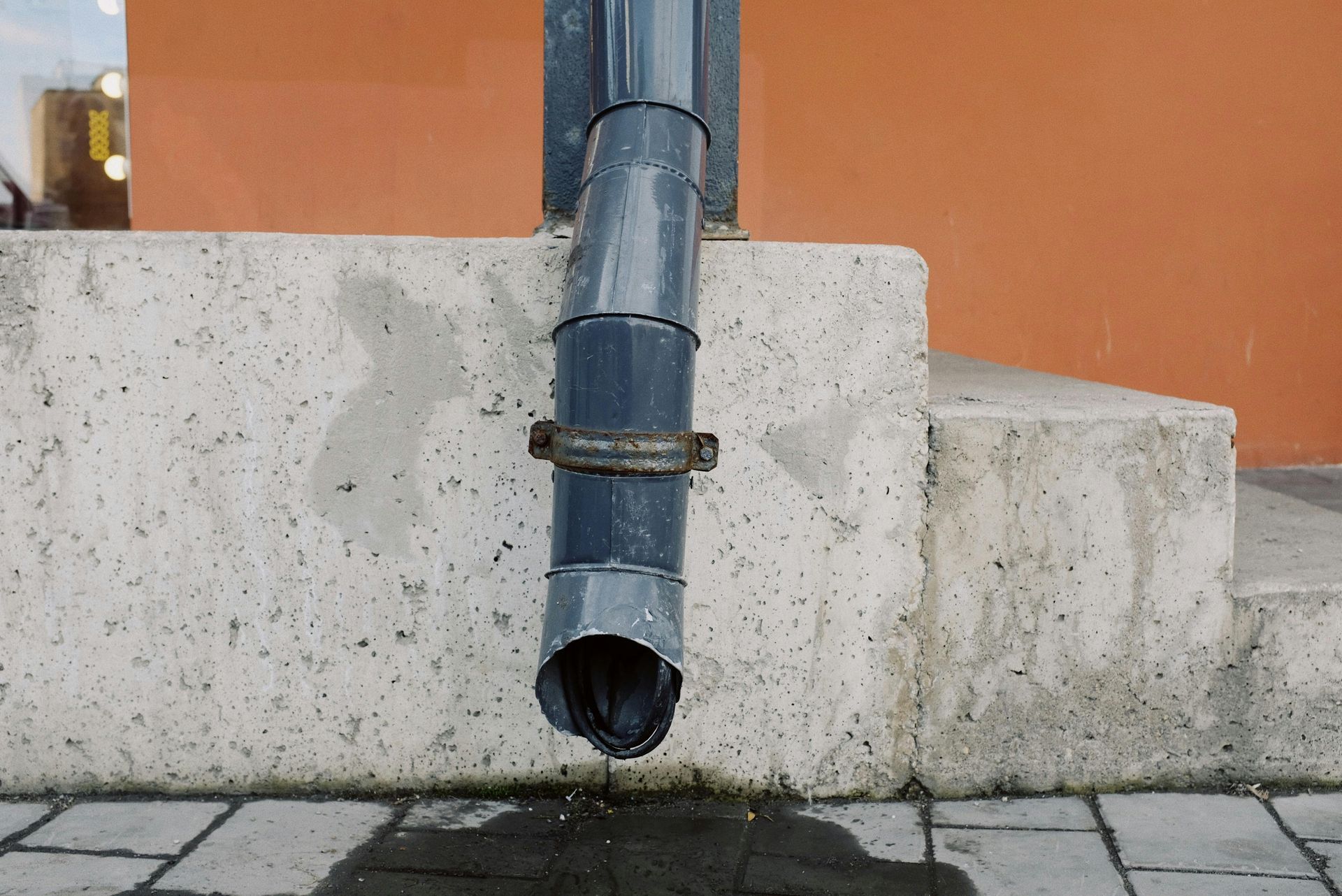
Here's what's happening inside your system: As your AC cools the air, moisture condenses on the cold evaporator coil and drips into a collection pan below. A PVC drain line then carries that water outside your home or to a floor drain.
Over time, the warm, damp environment inside the drain line becomes a breeding ground for buildup. The most common causes of clogs are:
- Algae, mold, and mildew— These biological growths gradually accumulate along the pipe walls, narrowing the passage until it's completely blocked
- Dust and debris— Particles that wash off the evaporator coil get carried into the drain line
- Insects— Mud dauber wasps are notorious for building nests inside exposed drain line openings
Regardless of the cause, a clogged drain line needs prompt attention. If you've noticed your AC unit isn't cooling effectively, a backed-up drain line could be the issue.
Signs Your AC Drain Line Is Clogged

Watch for these warning signs:
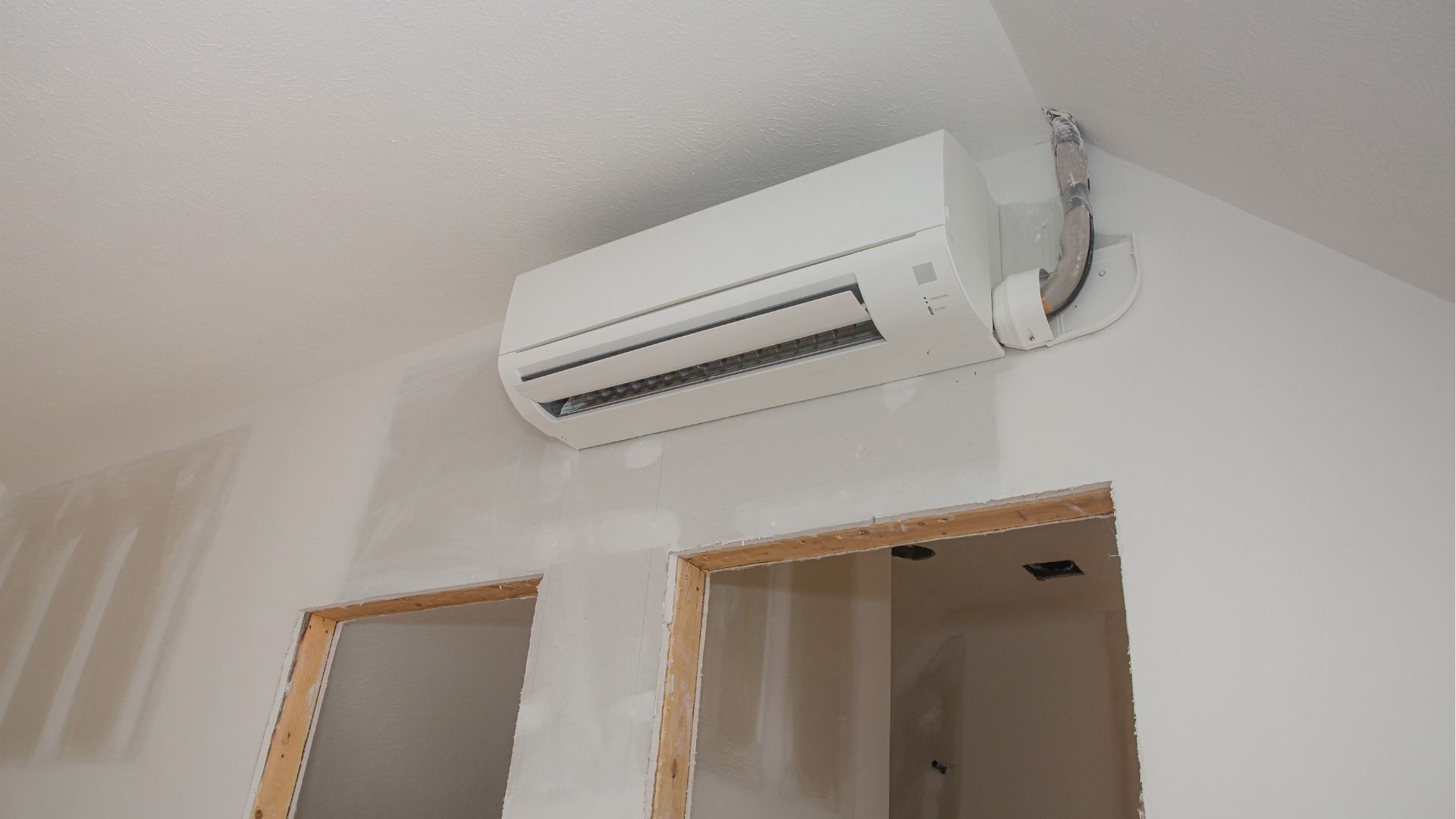
- Standing water in the drain panbeneath your indoor air handler
- System shutting off unexpectedly— Many modern ACs have a float switch that kills power when water rises too high
- Water stains on the ceilingbelow your air handler (especially if it's in the attic)
- Musty odors from your vents— A sign of mold or stagnant water inside the system
- Higher indoor humiditydespite the AC running, backed-up water interferes with the evaporator coil's ability to dehumidify, reducing yourindoor air quality
Step-by-Step: How to Unclog Your AC Drain Line
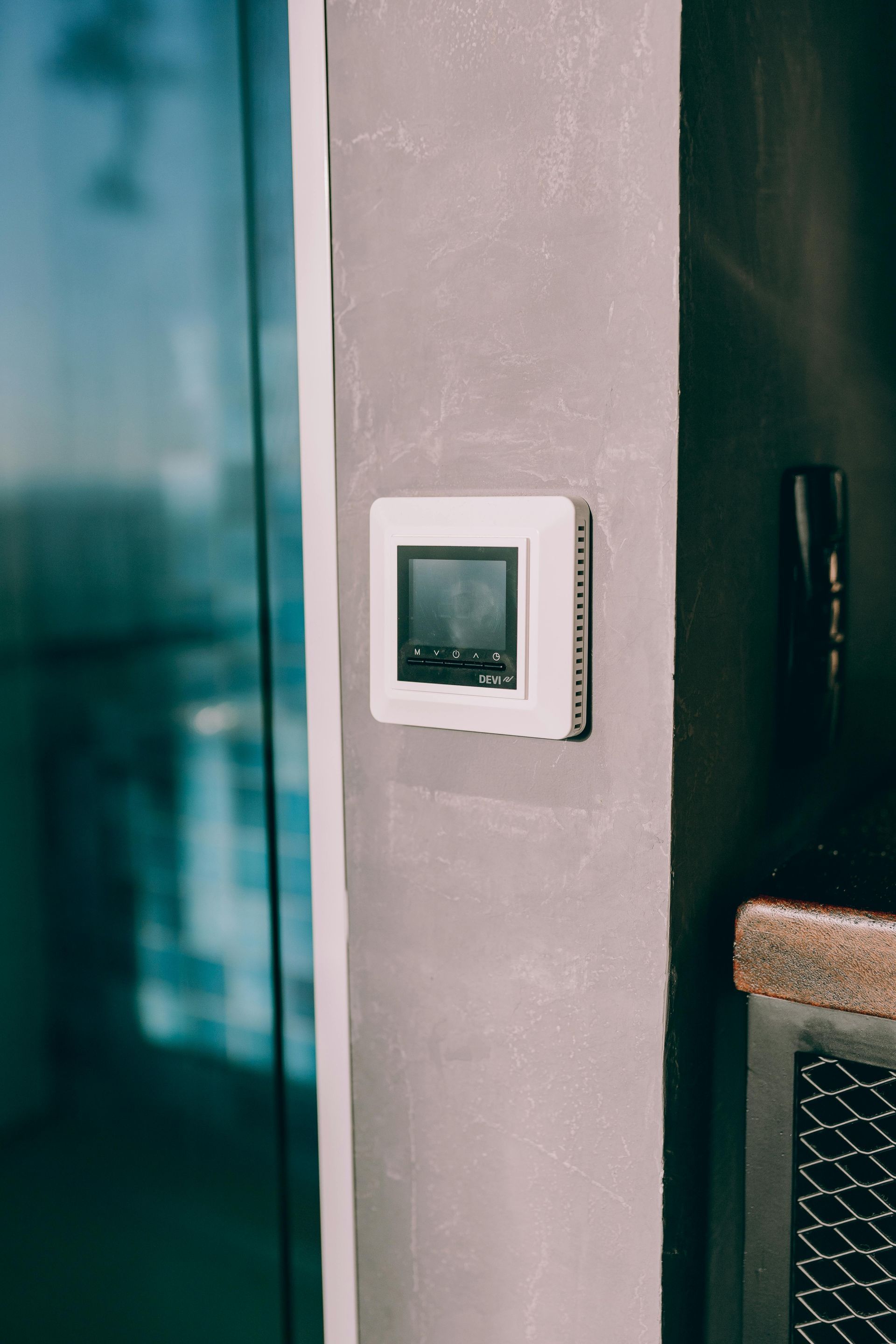
Safety first: Turn off the power to your AC at both the thermostat and the breaker panel before you start any work.
- Locate the drain pan and drain line. Find your indoor air handler unit. The drain line is typically a 3/4-inch PVC pipe near the base of the unit.
- Clear the drain pan. If it's full of water, use a wet/dry vacuum or towels to remove the standing water. Inspect the pan for cracks while it's exposed.
- Find the access point. Look for a T-shaped vent tee with a removable cap near the indoor unit. Remove the cap and check for visible blockage.
- Try the vinegar method. Pour one cup of distilled white vinegar (or warm water with a small amount of dish soap) through the access point. Let it sit for 30 minutes, then flush with clean water.
- Use a wet/dry vacuum for stubborn clogs. Attach the vacuum to the outdoor end of the drain line, create a tight seal with a rag or tape, and run the vacuum for 1–2 minutes. The suction can pull the clog free.
- Try a plumber's snake as a last resort. Insert a small drain snake or stiff brush through the access point and carefully work it through the line. Be gentle to avoid damaging PVC connections.
When to Call a Professional
DIY methods handle most clogs, but call a professional HVAC technician if:
- The clog persists after trying vinegar, vacuum, and snake methods
- You see water damage to your ceiling, walls, or flooring
- You detect mold growth in or around the air handler or drain pan
- The drain pan is cracked or damaged
- The drain line is disconnected or broken
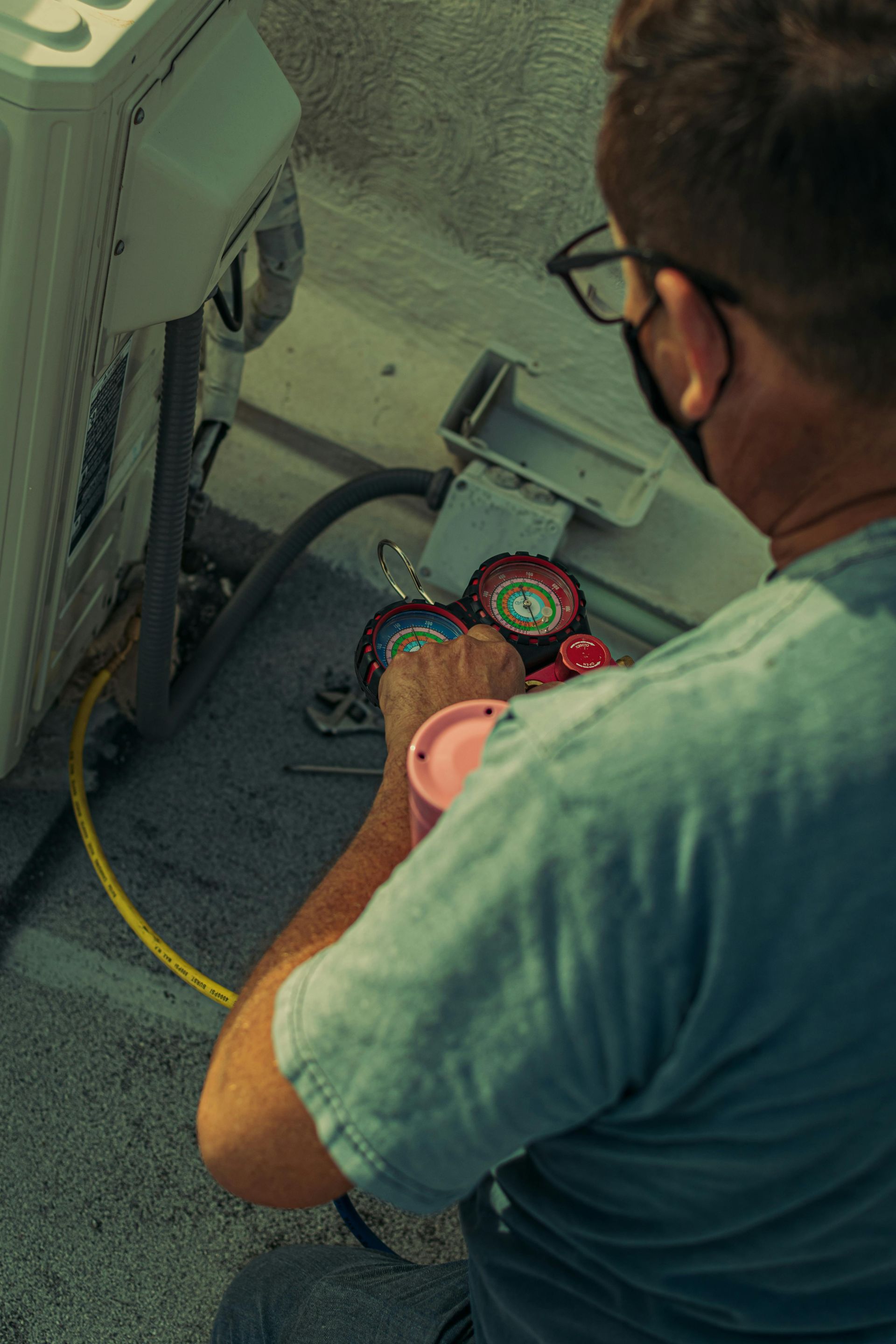
Professional technicians use specialized tools, high-pressure nitrogen-flush equipment, and motorized drain snakes to safely clear stubborn blockages. Regular professional maintenance, including thorough AC cleaning, can prevent most drain-line issues before they occur.
How to Prevent Future Drain Line Clogs
Prevention is always easier and cheaper than dealing with an active clog. Here's what our technicians recommend:
- Monthly vinegar flush— Pour one cup of white vinegar through the access point once a month during the cooling season to kill algae and mold before they accumulate
- Keep your air filter clean— A dirty filter lets more dust reach the evaporator coil, and that debris eventually washes into the drain system
- Install a mesh screenon the exterior drain line opening to keep insects and outdoor debris out
- Schedule seasonal AC maintenance— Professional drain line flushing during your regular AC maintenance visit is the most reliable prevention
Keep Your AC Drain Line Clear All Summer
A clogged AC drain line is common but entirely preventable. With the simple DIY methods above and a regular maintenance routine, you can keep your system running efficiently and avoid water damage all cooling season.
If you're dealing with a stubborn clog or want the peace of mind that comes with professional maintenance, Royal Class Service is here to help. Our experienced technicians serve homeowners throughout the Hudson Valley and greater New York area.
Contact Royal Class Service today to schedule your AC maintenance.
Recent Posts
Join the Royalty of Home Maintenance.
Get 15% off all repairs, priority scheduling, and two precision tune-ups a year.
Don't get caught off guard by hidden fees.
Use our Instant Estimator to get a clear price range in seconds.