How Long Do HVAC Systems Last? Heating & AC Unit Lifespans

February 13, 2026

Share this article

Every homeowner eventually faces the question: how long do HVAC systems last? Whether you've just bought a home, you're budgeting for future expenses, or your current system is starting to struggle, knowing the expected lifespan of your equipment helps you plan ahead and make smart decisions about repairs versus replacement.


The answer depends on the type of equipment, how well it's been maintained, and the conditions under which it operates. Here's what you need to know about each major component.


Average Lifespan by Equipment Type

Here's a quick-reference guide to how long each piece of HVAC equipment typically lasts with proper maintenance:


  • Central air conditioners:15 – 20 years
  • Gas furnaces:15 – 25 years
  • Oil furnaces:15 – 20 years
  • Electric furnaces:20 – 30 years
  • Heat pumps:10 – 15 years
  • Ductless mini-splits:15 – 20 years


These ranges assume regular professional maintenance, clean filters, and normal operating conditions. In the New York area, where summers are humid and winters are harsh, systems on the lower end of the maintenance spectrum often fall short of these averages.


What Shortens an Air Conditioner's Life?

Several factors accelerate wear on your central AC unit:


  • Dirty or clogged filters— Force the compressor to work harder, generating excess heat and accelerating internal component wear
  • Refrigerant leaks— Cause the compressor to labor under reduced pressure, which is one of the top causes of premature compressor failure
  • Environmental exposure— Salt air near coastal areas, accumulating debris around the outdoor unit, and physical damage from lawn equipment or storms


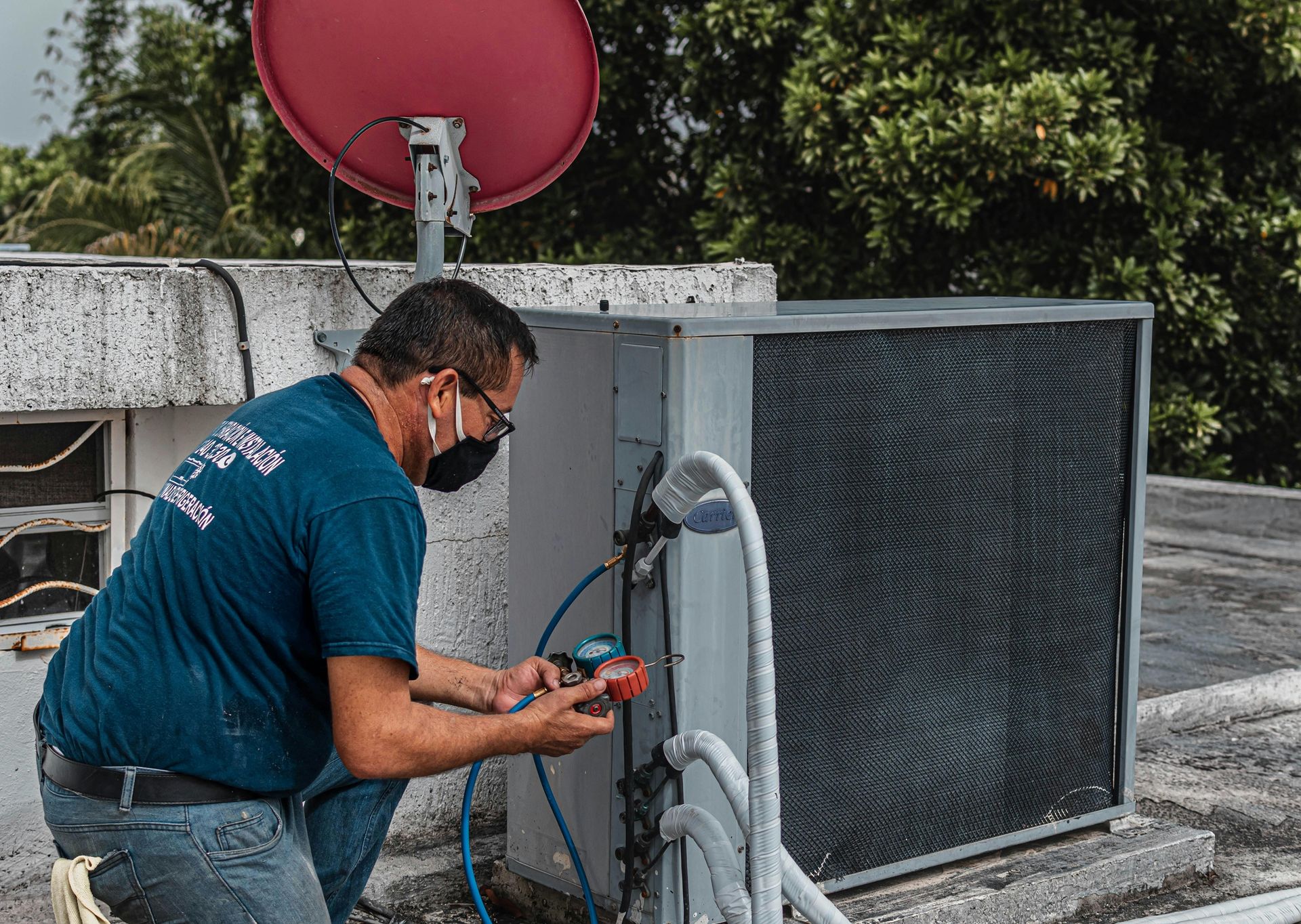
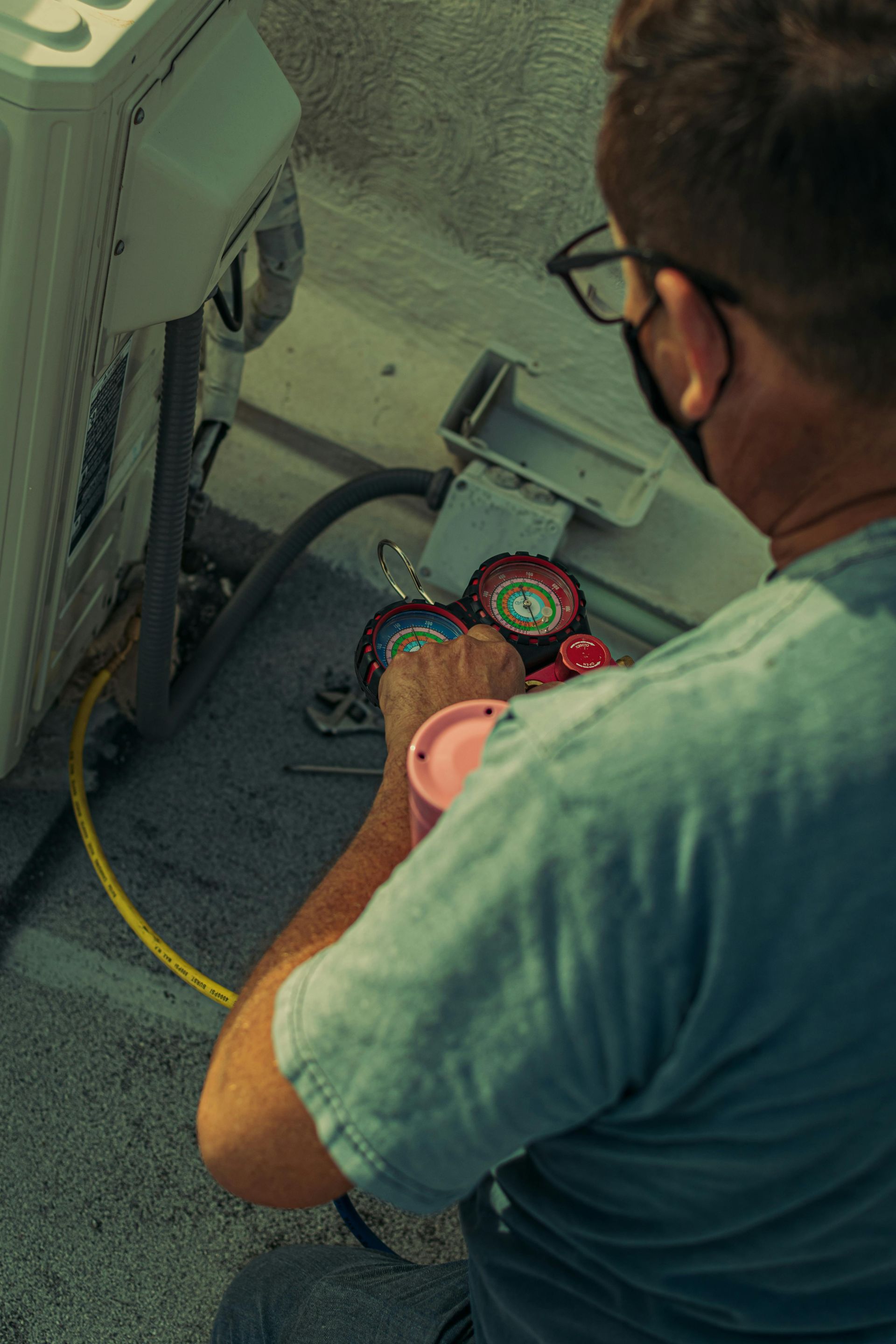
If your AC unit isn't cooling properly, getting the issue diagnosed quickly can prevent years of unnecessary wear and tear. And keeping up with regular AC maintenance is the best way to maximize lifespan.


Why Heat Pumps Have Shorter Lifespans

Heat pumps typically last 10 to 15 years, shorter than furnaces or standalone AC units, because they run year-round rather than seasonally. While an air conditioner operates only during summer, a heat pump handles both heating and cooling, effectively doubling its annual workload.


In the Hudson Valley's climate, heat pumps must extract heat from cold outdoor air during winter, which adds extra stress. Despite the shorter lifespan, the benefits of installing a heat pump, such as energy efficiency and dual functionality, often outweigh the more frequent replacement cycle.


Signs Your HVAC Is Nearing the End of Life

Watch for these red flags that suggest replacement is on the horizon:


  • Frequent repairs— Calling for service more than twice per year, or facing repair costs approaching 50% of a new system's price
  • Rising energy bills— Increased costs despite consistent usage patterns suggest declining efficiency
  • Uneven temperatures— Rooms that are consistently too hot or too cold despite normal thermostat settings
  • Excessive noise— Banging, rattling, or grinding sounds from the equipment
  • Frequent cycling— The system turns on and off repeatedly without maintaining temperature
  • Visible rust or deterioration— Corrosion on the outdoor unit or indoor components


If your equipment is showing these warning signs, start planning for replacement rather than waiting for a complete breakdown during extreme weather.


How to Extend Your HVAC System's Life

The single most effective strategy is consistent professional maintenance. Annual tune-ups allow technicians to catch and fix minor issues before they become major failures. Between professional visits, you can help by:


  • Changing filters on schedule (the most impactful DIY maintenance task)
  • Keeping the outdoor unit clear of debris, leaves, and vegetation
  • Making sure all vents and registers are open and unobstructed
  • Using a programmable or smart thermostat to reduce unnecessary system cycling


Proper installation also matters enormously. An HVAC system that's correctly sized, properly charged with refrigerant, and connected to well-designed ductwork will outlast one that was rushed or improperly set up.


In Summary: Plan Ahead for HVAC Replacement

Knowing how long HVAC systems last empowers you to plan ahead. If your equipment is approaching the end of its expected lifespan, start researching options and budgeting before an emergency forces a rushed decision.


At Royal Class Service, we help homeowners throughout the Hudson Valley and greater New York area with both HVAC maintenance to extend system life and expert system replacement when the time comes. Our technicians will give you an honest assessment of your equipment's remaining useful life.


Contact Royal Class Service today to schedule your HVAC evaluation.
Recent Posts

Wall-mounted digital thermostat on a gray wall beside a doorway.
By Matthew Piliius April 28, 2026
Learn how HVAC zoning systems work. Here are dampers, thermostats, and control panels explained for Hudson Valley homeowners with multi-story homes.
By Matthew Piliius April 23, 2026
The R-410A phase-out is real, but it doesn't mean you need a new AC today. Royal Class Service explains what Hudson Valley homeowners actually need to do.
White wall-mounted air conditioner above a doorway in a room with light-colored walls and ceiling.
By Matthew Pillius April 18, 2026
AC not blowing cold air in your Hudson Valley home? Learn the 6 most common causes, which ones you can fix yourself, and when to call a pro.
By Matthew Piliius April 15, 2026
Learn how central air conditioning works. Royal Class shares how the refrigerant cycle, condenser, evaporator, & thermostat factor in for Hudson Valley homes.
By Matthew Piliius April 12, 2026
Get a seasonal HVAC maintenance checklist for Hudson Valley homeowners. We list spring, summer, fall, and winter tasks to keep your system efficient all year.
Modern living room with gray sofa, floor lamp, wall art, radiator, and fireplace
By Matthew Pillius April 6, 2026
How much does central heating installation cost in 2026? Royal Class Service breaks down NY pricing for furnaces, boilers, and heat pumps in the Hudson Valley.
By Matthew Piliius April 6, 2026
Boiler vs. furnace. Which is right for your Hudson Valley home? Royal Class Service breaks down their performance, costs, & fit for this region's housing stock.
By Matthew Piliius April 2, 2026
AC tune-ups in the Hudson Valley cost $89 to $179. See what's included, what affects price, & why spring is the right time to book a schedule in Orange County.
By Matthew Pillius March 16, 2026
Heat pump vs. furnace—which is better for Hudson Valley winters? Royal Class Service breaks down theirs costs, performance, and what actually works here.
By Matthew Pillius March 12, 2026
HVAC repair costs in NY range from $150 to $2,500+. Learn what drives heating and AC repair prices in the Hudson Valley and when to repair vs. replace.
Show More