Are Reverse Osmosis Systems Safe? Addressing Common Concerns

January 7, 2026

Share this article

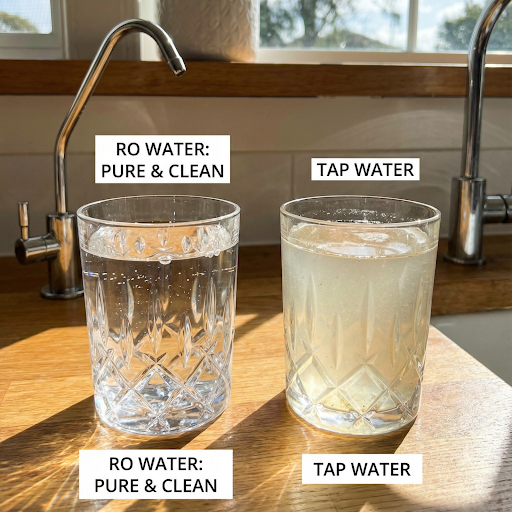
In the quest for cleaner, healthier drinking water, many homeowners turn to reverse osmosis (RO) systems. These advanced filtration units are highly effective at removing a wide range of contaminants, delivering water that often exceeds bottled water quality. However, with such powerful purification comes questions and concerns, particularly: are reverse osmosis systems safe? This article will address common myths and concerns, providing a clear understanding of the safety and benefits of RO water for your home.


Understanding RO Water: What It Removes, What It Leaves

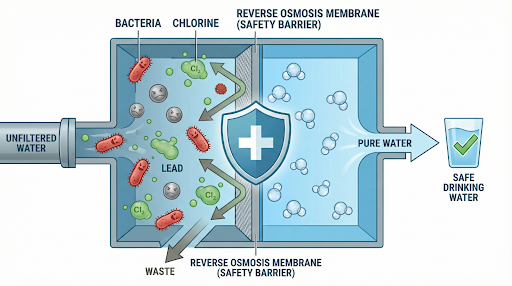
Reverse osmosis works by forcing water through a semi-permeable membrane, which effectively filters out dissolved solids, heavy metals, chemicals, and microscopic impurities. This process produces exceptionally pure water but also leads to common misconceptions.


Concern 1: Demineralized Water and Health

One of the most frequent questions is whether drinking demineralized RO water is healthy. It's true that RO systems remove beneficial minerals such as calcium and magnesium, along with harmful contaminants. However, the primary source of these essential minerals for humans is food, not water. While water accounts for a small share, relying on it for mineral intake is unnecessary for a balanced diet. Moreover, many RO systems can be equipped with a remineralization filter that adds back a healthy balance of minerals for taste and health benefits.


Concern 2: Acidity of RO Water

Another concern is that RO water can be slightly acidic due to the removal of alkaline minerals. While technically true, the pH difference is usually negligible and well within the safe range for consumption. The human body is highly adept at regulating its pH, and the small amount of RO water consumed daily will not significantly affect overall body pH. Again, remineralization filters can also help balance the water's pH.


Safety and Effectiveness of RO Systems

When properly installed and maintained, Reverse Osmosis (RO) Systems are one of the safest and most effective methods for home water purification.


Removal of Harmful Contaminants

RO systems excel at removing the following substances that are genuinely harmful or undesirable:


  • Lead and Heavy Metals: RO effectively reduces lead, arsenic, cadmium, and other heavy metals that can have serious health implications.
  • Chlorine and Chloramines: These chemicals, used in municipal water treatment, can create unpleasant tastes and odors and may form harmful byproducts.
  • Pesticides and Herbicides: RO membranes are highly effective at blocking these agricultural chemicals.
  • Fluoride: While beneficial in small amounts for dental health, excessive fluoride can be harmful, and RO systems can reduce its concentration.
  • Microorganisms: Though not their primary function, RO membranes can block some bacteria and viruses, especially when combined with UV filtration.


Maintenance and Installation of RO Systems

The safety and performance of an RO system also depend on proper installation and regular maintenance. Just like with your heating system, regular care is essential.  Filters and membranes should be replaced in accordance with the manufacturer's recommendations to ensure continued effectiveness and prevent bacterial growth. 


Regular
water filtration maintenance is crucial for optimal performance. Professional installation ensures that the system is set up correctly and that all connections are secure, preventing leaks and contamination. For any plumbing concerns, always consult with experts like Royal Class Service.


Final Thoughts

So, are reverse osmosis systems safe? Absolutely, when understood and properly managed. They offer a superior level of water purification that can significantly enhance the health and well-being of your household. For expert advice on Water Treatment and professional installation of RO systems, turn to Royal Class Service. We ensure your system is perfectly suited to your needs, providing you with peace of mind and pristine drinking water.


Ready to enjoy the benefits of safe, pure RO water?
Contact Royal Class Service today for a consultation.
Recent Posts

By Matthew Pillius February 25, 2026
When your heat fails during a blizzard, do you want the cheapest price or the most accountability? Discover why "affordable" can become expensive and what questions to ask to ensure your home comfort system is installed to last.
February 23, 2026
What is an HVAC condenser, and how does it work? Learn about AC condenser components, common problems, and how to maintain this critical part of your cooling system.
February 19, 2026
Learn how to unclog your AC drain line with step-by-step DIY methods. Professional HVAC technicians share tips to clear blockages and prevent future clogs.
February 16, 2026
How much does a new HVAC system cost in 2026? Explore price ranges, key cost factors, and what New York homeowners should budget for heating and AC replacement.
February 13, 2026
How long do HVAC systems last? Learn the average lifespan of furnaces, air conditioners, and heat pumps, plus tips to extend the life of your HVAC equipment.
February 10, 2026
How often should you change your HVAC filter? Learn the recommended replacement schedule, signs of a dirty filter, and how clean filters improve air quality.
February 6, 2026
Learn what static pressure in HVAC means and how it affects your system's performance. Discover causes of high static pressure and how to fix airflow problems.
February 4, 2026
What does HVAC stand for? Learn how heating, ventilation, and air conditioning systems work together to keep your home comfortable year-round.
February 2, 2026
Learn how much a UV water filter system costs in 2026. Explore pricing factors, installation expenses, and maintenance costs for UV water filtration in New York.
January 26, 2026
Master how to set the water softener correctly. Learn about hardness settings, regeneration cycles, and salt dosage to ensure consistent soft water.
Show More