An HVAC compressor is the component responsible for pressurizing refrigerant and circulating it through your cooling system. Without it, your air conditioner cannot transfer heat out of your home. When the compressor fails, the entire system stops producing cold air. Royal Class Service has been diagnosing and repairing cooling systems for Hudson Valley homeowners since 1995, and the compressor is the part we're asked about most.
After servicing air conditioners across Orange County, Dutchess County, and beyond for 30 years, we've noticed that most homeowners only learn what the compressor does right after it stops working. That timing is never great, especially in July when Hudson Valley humidity makes a dead AC feel like a genuine emergency. Understanding this part before it fails puts you in a much better position to catch early warning signs and avoid a full replacement.
What Does an HVAC Compressor Actually Do?
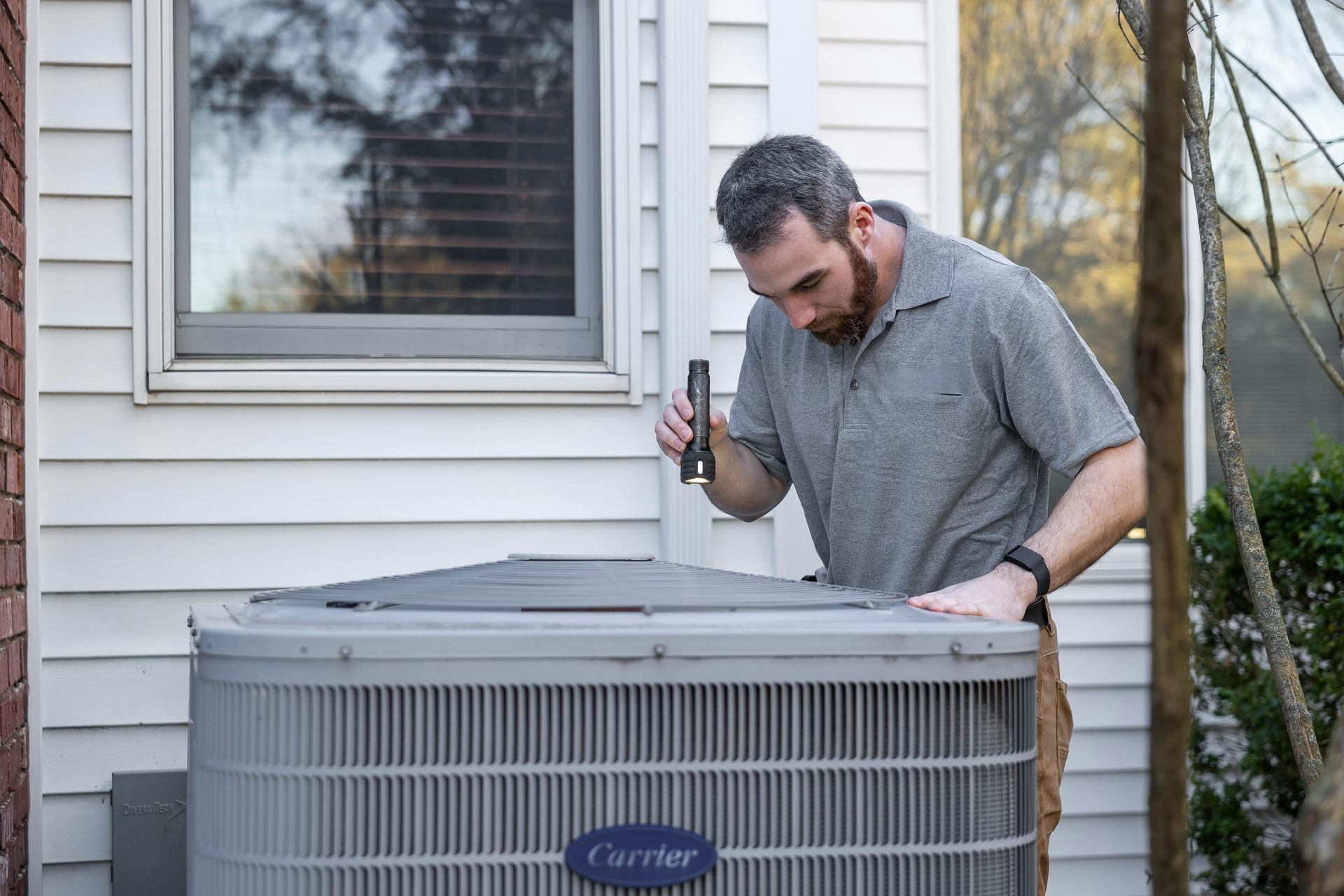
The compressor is the pressurization engine at the center of your cooling cycle. Refrigerant starts as a low-pressure gas after absorbing heat from the air inside your home. The compressor squeezes that gas, raising its pressure and temperature dramatically. That high-pressure refrigerant then travels to the outdoor condenser coil, where it releases the captured heat to the outside air before cycling back inside as a cool liquid to absorb more heat.
Think of it this way: your air conditioner doesn't "create" cold air. It moves heat from inside your home to outside. The compressor is what makes that movement possible. Without it, refrigerant just sits there, a chemical with potential but no pressure to drive the cycle.
Scroll Compressors Superior Vs. Piston-Based Designs?
Most residential systems use a scroll compressor, which operates more quietly and efficiently than older reciprocating (piston-driven) models. Scroll compressors consist of two spiral-shaped elements: one fixed and one that orbits around it, progressively trapping and compressing refrigerant. They've largely replaced piston designs in modern central air systems because they handle partial-load operation more smoothly and tend to last longer under typical residential demands.
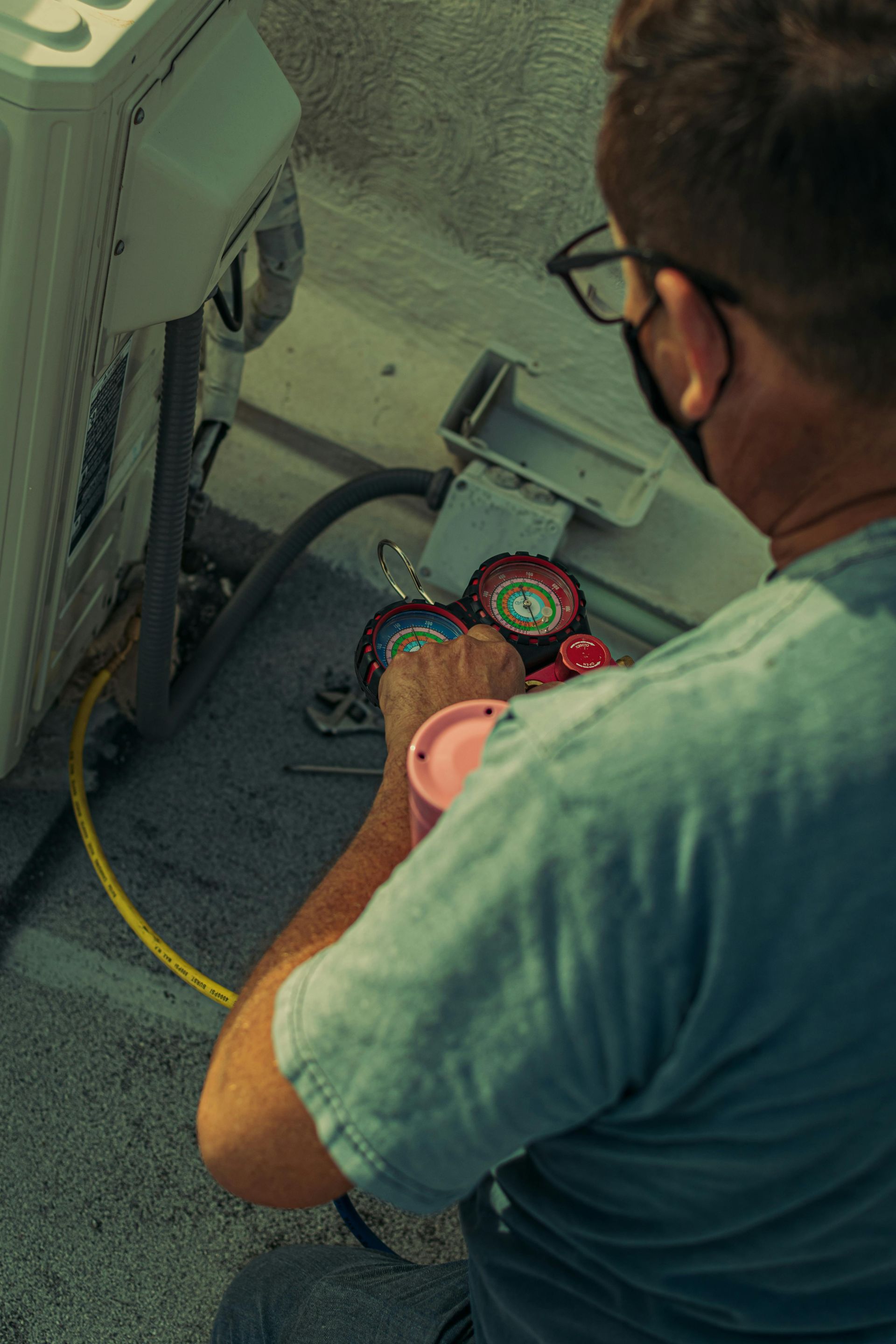
A healthy compressor draws a specific amount of electrical current for its size. If it's drawing too much or too little, that's a measurable sign something has changed internally. This is one of the first checks our technicians run when an AC repair call comes in from a homeowner reporting warm air or short cycling.
Signs Your Compressor Is Struggling
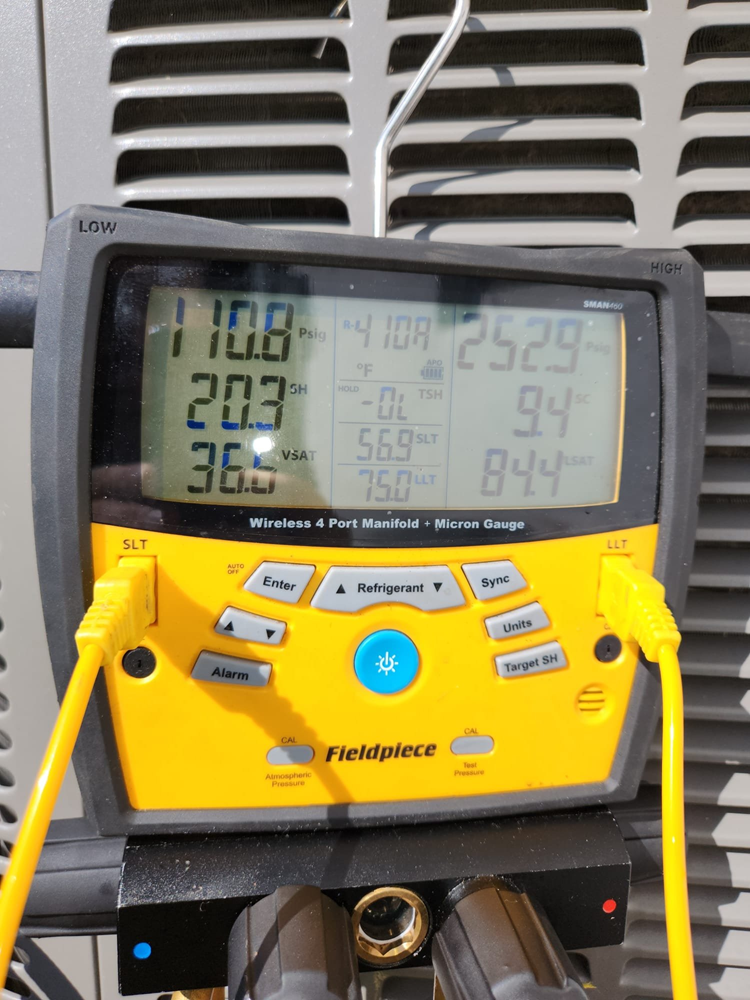
The compressor rarely fails without warning; the signals just get misread. Here's what to watch for in your Hudson Valley home:
Hard Starting
The system turns on, but there's a noticeable hesitation or thud before the compressor engages. Hard starting happens because the start capacitor (the component that gives the compressor an electrical kick to get spinning) begins to weaken over time. In our experience, a hard-starting compressor that doesn't get attention often has a significantly shorter remaining lifespan.
Warm Air
Warm air from the vents despite the system running is another indicator. The compressor may be running but not pumping refrigerant effectively, often due to a refrigerant leak that's dropped system pressure below the operating threshold. Refrigerant doesn't "get used up"; if the level is low, there's a leak somewhere in the system that needs to be found and repaired before recharging.
Tripping Circuit Breakers
Tripping circuit breakers repeatedly points to an electrical draw problem. When a compressor overheats or begins to seize internally, it pulls more current than the circuit is rated for. That's the breaker doing its job. Resetting it and hoping for the best usually leads to a compressor that's beyond repair.
In the Hudson Valley, compressors in homes around Newburgh and throughout Orange County face an additional strain from temperature swings. Cold winters followed by humid summers put significant wear on refrigerant seals and electrical components. Scheduling annual AC maintenance before the cooling season gives a technician the chance to catch these warning signs before they compound.
The decision to repair versus replace a compressor comes down to the age of the system and the cost ratio. A compressor replacement on a unit older than 10 years can approach or exceed half the cost of a new system. At that point, putting that money toward a full replacement often makes more financial sense for the homeowner.
Frequently Asked Questions
How long does an HVAC compressor typically last?
Most residential HVAC compressors last 10 to 15 years under normal operating conditions. Systems that run with low refrigerant, dirty coils, or oversized equipment tend to see compressor wear accelerate. Royal Class Service recommends annual heating and air conditioning maintenance as one of the most effective ways to extend compressor life and catch early wear before it becomes a replacement decision.
Can an HVAC system run without a working compressor?
No, an HVAC system cannot cool your home without a functioning compressor. The fan may still run and air will circulate, but without the compressor pressurizing refrigerant, no heat transfer occurs and only unconditioned air moves through the vents. If your system blows air but the air isn't cold, the compressor is one of the first components a technician will evaluate.
Is it worth repairing a compressor or should I replace the whole unit?
The answer depends on the system's age and the repair cost. If the unit is under 8 years old and under warranty, a compressor repair or replacement often makes sense. For systems 10 years or older, the cost of replacing the compressor alone can be a significant portion of what a new system would cost—making a full unit replacement a better long-term value for most Hudson Valley homeowners.
Keep the Heart of Your Cooling System Beating
The compressor is the one component your air conditioner cannot work without. Understanding how it functions and recognizing the early warning signs puts you in control before a repair call turns into a full replacement.
Royal Class Service has been keeping cooling systems running since 1995 in
Newburgh and throughout the Hudson Valley. If your system is hard starting, blowing warm air, or tripping breakers, don't wait it out.
Schedule a service call and let us take a look before the season heats up.
Recent Posts
Join the Royalty of Home Maintenance.
Get 15% off all repairs, priority scheduling, and two precision tune-ups a year.
Don't get caught off guard by hidden fees.
Use our Instant Estimator to get a clear price range in seconds.