What is backflow testing? It’s a question every responsible property owner should be asking, and the answer is far more critical than you might think. Backflow is the undesirable reversal of water flow in a plumbing system.
Instead of clean, potable water flowing from the main line into your home, backflow occurs when contaminated water—from sources like irrigation systems, fire suppression systems, or even your own toilet—is siphoned back into the public drinking water supply. This isn't just a minor inconvenience; it's a serious public health hazard that can introduce chemicals, bacteria, and other pollutants into the water used for drinking, cooking, and bathing across your community.
The Mechanism of Protection: Backflow Preventers
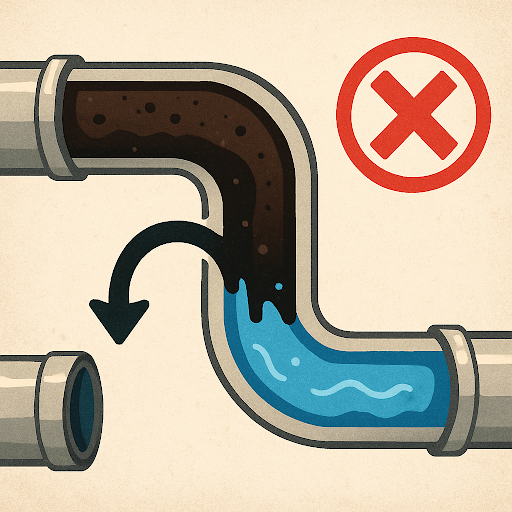
To combat this invisible threat, plumbing systems are equipped with backflow preventers. These are mechanical devices designed to create a physical barrier or an air gap that ensures water can only flow in one direction. They are essentially one-way valves that automatically close if the water pressure drops or reverses, preventing any contaminated water from mixing with the clean supply.
There are two main causes of backflow:
- Backpressure: Occurs when the pressure in your private plumbing system is higher than the pressure in the public water system. This can happen due to pumps, thermal expansion, or pressure from a boiler.
- Backsiphonage: Occurs when a sudden drop in pressure in the public water main creates a vacuum, sucking water backward from your property's plumbing. This is often caused by events like a burst water main or heavy water usage for firefighting.
The type of backflow preventer installed on your property—which could be a Double Check Valve Assembly (DCVA), a Reduced Pressure Zone (RPZ) assembly, or an air gap—depends on the degree of hazard associated with your water usage.
Why Annual Backflow Testing is a Legal Necessity
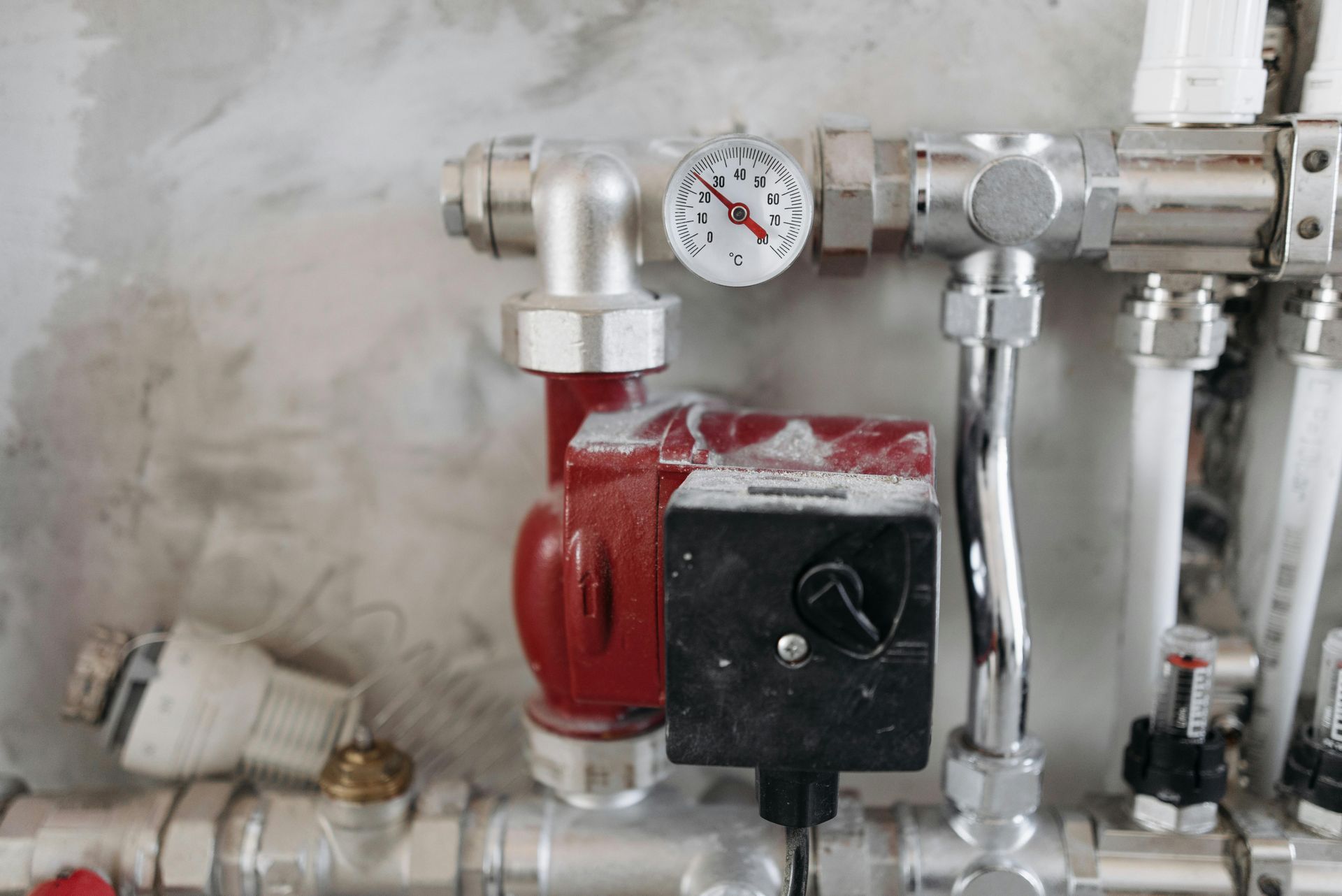
If backflow preventers are so effective, why is annual testing required? The simple truth is that these are mechanical devices, and like any mechanical device, they can fail. Seals can degrade, springs can weaken, and internal components can become fouled with debris. A failed backflow preventer offers no protection, leaving the public water supply vulnerable.
This is why most municipal and state regulations mandate annual
backflow testing. This testing is not a DIY job; it must be performed by a certified, licensed professional. The technician uses specialized, calibrated equipment to check the assembly's seals, springs, and valves under various pressure conditions to ensure it is operating within the manufacturer's specifications and local codes.
Key Reasons for Mandatory Testing:
- Public Health Protection: The primary reason is to safeguard the community's drinking water from contamination.
- Legal Compliance: Failure to comply with annual testing requirements can result in significant fines or, in severe cases, the termination of water service.
- Device Longevity: Regular testing helps identify minor issues before they turn into costly repairs or full device replacements.
For property owners, understanding the Water Treatment needs of your home is crucial. From ensuring your water is safe to drink to improving its quality, backflow prevention is the first line of defense.
What to Expect During a Backflow Test
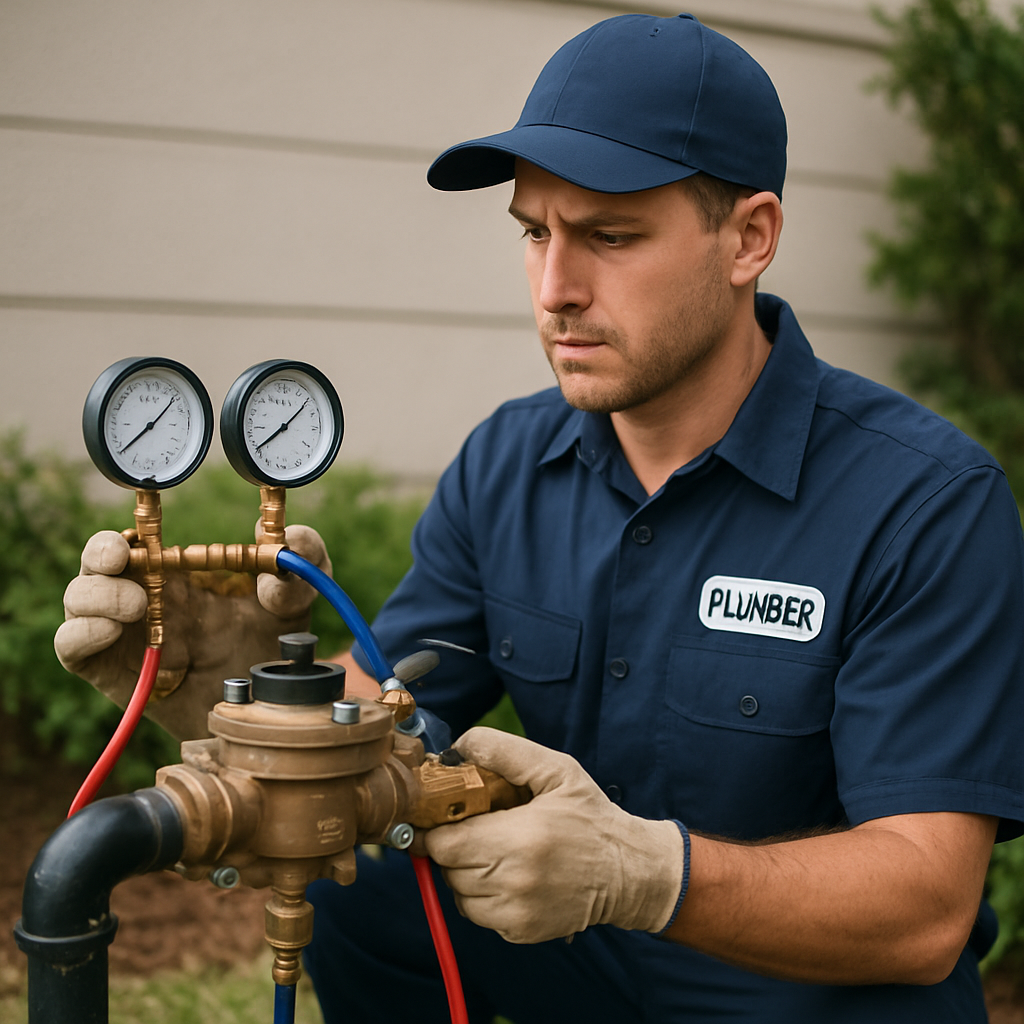
A typical backflow test is a quick and non-invasive process. A certified technician will:
- Notify the Water Authority: In some jurisdictions, the technician must notify the local water department before the test.
- Shut Off Water: The water supply to the backflow device must be temporarily shut off to perform the test.
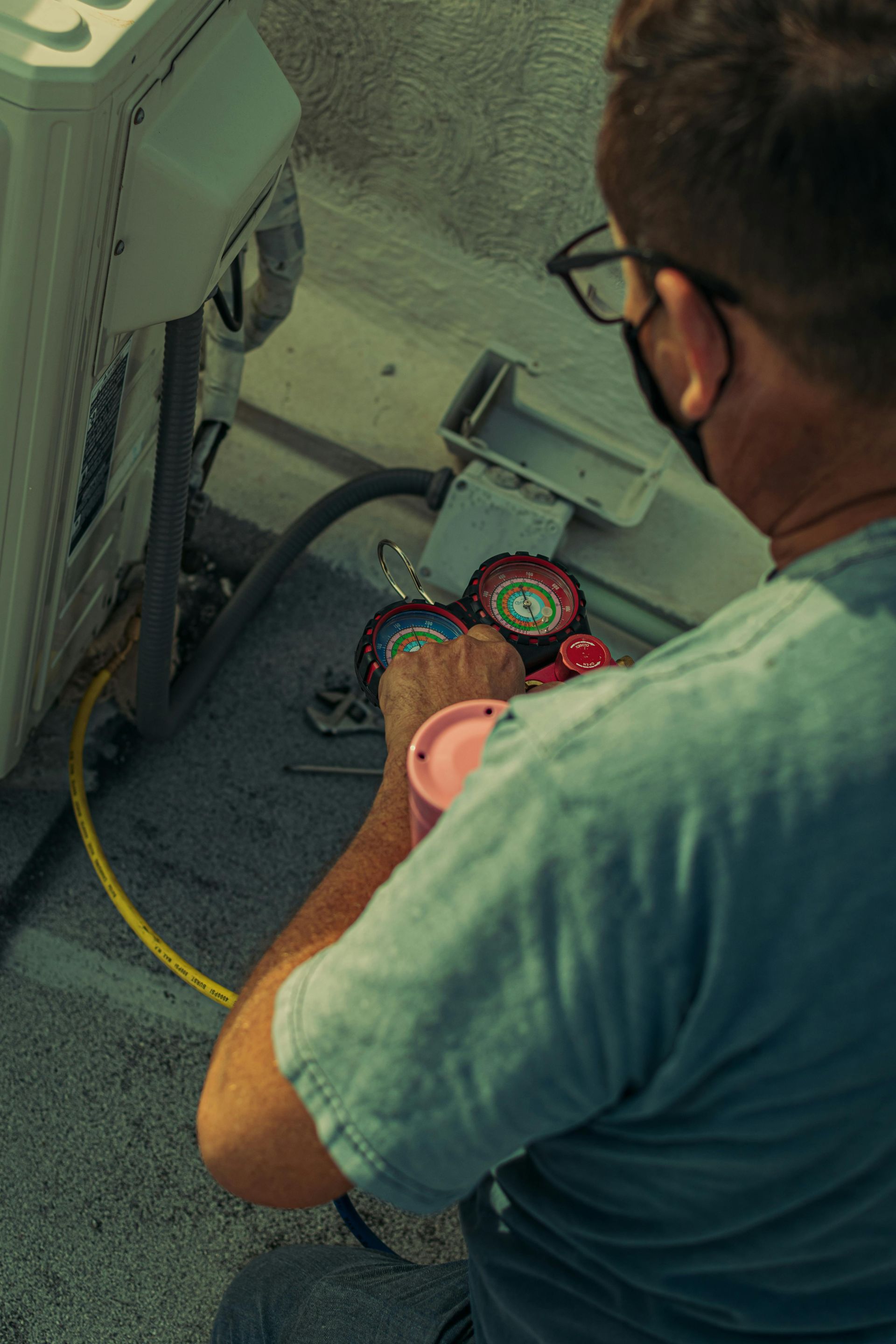
- Attach Gauges: Specialized pressure gauges are attached to the test cocks on the backflow assembly.
- Perform the Test: The technician systematically checks the pressure differential across the valves to ensure they are holding pressure and closing correctly.
- Restore Water and Report: Once the test is complete and the device passes, the water is restored, and a detailed report is submitted to the local water authority.
If the device fails, the technician will discuss the necessary repairs or replacement options with you immediately. Delaying a repair is not an option, as a failed device is a direct violation of health and safety codes.
Protect Your Community, Protect Your Investment
Backflow testing is more than just a regulatory hurdle; it is a vital service that protects the health of your family, your neighbors, and your entire community. It’s a small annual investment that provides immense peace of mind and ensures you remain compliant with local regulations.
Don't leave the safety of your water supply to chance. If you are due for your annual backflow test or have questions about your property's compliance, the experts at
Royal Class Service are here to help. Our certified technicians are equipped with the latest tools and knowledge to ensure your backflow preventer is functioning perfectly, keeping your water safe and your property compliant.
Contact us today to schedule your professional backflow testing and secure your peace of mind.
Recent Posts
Join the Royalty of Home Maintenance.
Get 15% off all repairs, priority scheduling, and two precision tune-ups a year.
Don't get caught off guard by hidden fees.
Use our Instant Estimator to get a clear price range in seconds.