How Much Does Backflow Testing Cost? Annual Testing Price Guide

November 11, 2025

Share this article

Backflow prevention is a critical component of public health, ensuring that contaminated water from private property does not reverse flow into the municipal drinking supply. For property owners, this means installing and maintaining a backflow prevention assembly. While the device itself is a one-time investment, the annual testing is a mandatory and recurring expense. 


The question, "How much does backflow testing cost?" is common, and the answer, like most services, depends on several factors, including the type of device, the property's location, and the service provider. Understanding the breakdown of these costs can help you budget for this essential annual service.


Factors Influencing Backflow Testing Costs

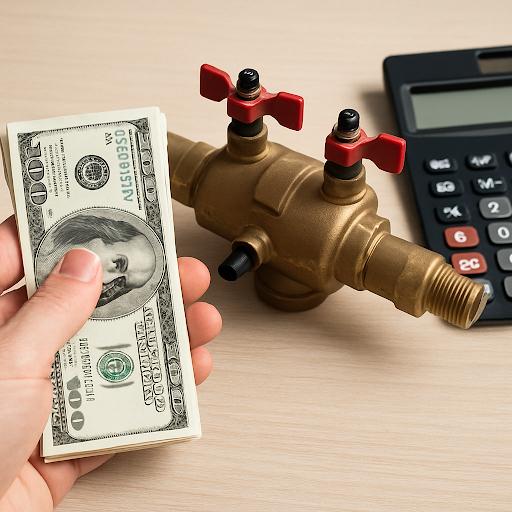
The price of an annual backflow test is not a fixed number. It typically falls within a range, with the national average often cited between $75 and $150 per device, but it can go higher for complex systems. Here are the primary factors that influence the final price:


1. Type and Location of the Device

The complexity of the backflow prevention assembly directly impacts the time and expertise required for testing.


  • Simple Devices (e.g., Double Check Valve Assemblies - DCVA): These are generally quicker and easier to test, often falling on the lower end of the price range.
  • Complex Devices (e.g., Reduced Pressure Zone Assemblies - RPZ): RPZ devices are more intricate and require more time and precision to test, often costing more.
  • Accessibility: If the device is difficult to access (e.g., buried in a pit, located in a crawl space, or high up), the labor time increases, which can raise the cost.


2. Number of Devices

Commercial and industrial properties often have multiple backflow preventers for different systems (e.g., fire suppression, irrigation, domestic water). While the per-device cost may decrease slightly with volume, the total cost will be higher.


3. Service Provider and Certification

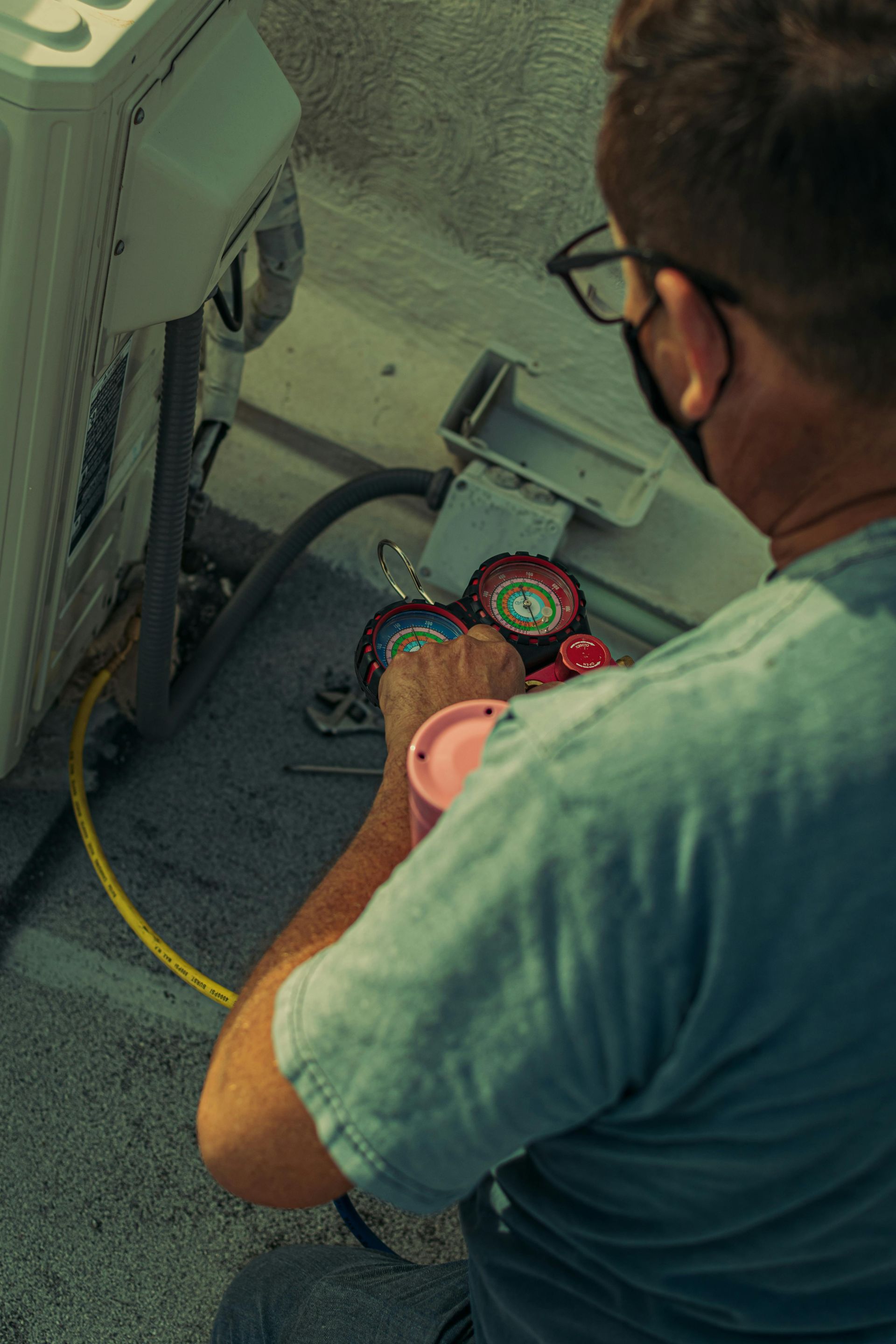
Backflow testing must be performed by a state-certified and licensed technician. Reputable companies with certified plumbers, like Royal Class Service, may charge a slightly higher rate, but this guarantees the test is performed correctly, the results are accurately reported to the municipality, and your property remains compliant.


Beyond the Test: Potential Additional Costs

While the test itself is the main expense, property owners should be aware of potential additional costs that may arise:


1. Repair or Replacement

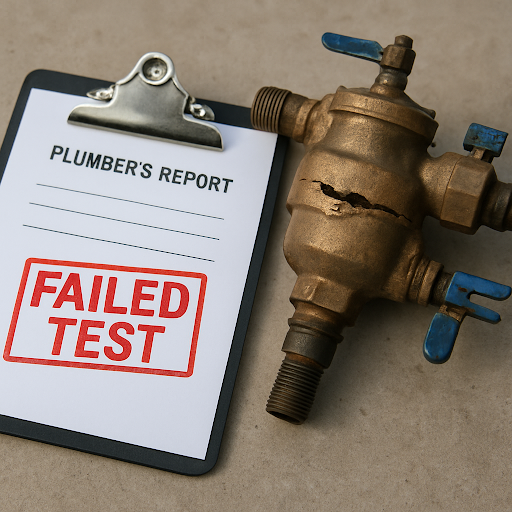
If the backflow assembly fails the annual test, it must be repaired or replaced immediately.


  • Minor Repairs: Replacing seals, springs, or internal components can cost a few hundred dollars, depending on the part and labor.
  • Full Replacement: Replacing an entire backflow assembly can be a significant investment, ranging from $500 to over $2,000, depending on the size and type of the device.


2. Re-testing Fees

If a repair is made, the device must be re-tested to ensure it is functioning correctly. Some companies include a re-test fee in the initial repair quote, while others charge a separate, often reduced, fee for the second test.


3. Municipal Fees and Fines

Some municipalities charge a separate filing fee for processing the test report. More importantly, failure to have the test performed by the deadline can result in significant fines from the local Water Treatment authority, which far outweigh the cost of the annual test.


A Small Annual Investment for Public Safety

Backflow Testing is a non-negotiable service that protects the integrity of your community's drinking water. When considering how much does backflow testing cost, it is essential to view it as an annual insurance policy for public health.


At
Royal Class Service, we believe in transparent pricing and reliable service. Our certified technicians provide professional, timely, and compliant backflow testing, ensuring your property meets all local regulations and your water supply is protected. Don't risk fines or worse, water contamination. 


Contact us today
to schedule your annual backflow test and receive an upfront, no-surprise quote.
Recent Posts

By Matthew Pillius February 25, 2026
When your heat fails during a blizzard, do you want the cheapest price or the most accountability? Discover why "affordable" can become expensive and what questions to ask to ensure your home comfort system is installed to last.
February 23, 2026
What is an HVAC condenser, and how does it work? Learn about AC condenser components, common problems, and how to maintain this critical part of your cooling system.
February 19, 2026
Learn how to unclog your AC drain line with step-by-step DIY methods. Professional HVAC technicians share tips to clear blockages and prevent future clogs.
February 16, 2026
How much does a new HVAC system cost in 2026? Explore price ranges, key cost factors, and what New York homeowners should budget for heating and AC replacement.
February 13, 2026
How long do HVAC systems last? Learn the average lifespan of furnaces, air conditioners, and heat pumps, plus tips to extend the life of your HVAC equipment.
February 10, 2026
How often should you change your HVAC filter? Learn the recommended replacement schedule, signs of a dirty filter, and how clean filters improve air quality.
February 6, 2026
Learn what static pressure in HVAC means and how it affects your system's performance. Discover causes of high static pressure and how to fix airflow problems.
February 4, 2026
What does HVAC stand for? Learn how heating, ventilation, and air conditioning systems work together to keep your home comfortable year-round.
February 2, 2026
Learn how much a UV water filter system costs in 2026. Explore pricing factors, installation expenses, and maintenance costs for UV water filtration in New York.
January 26, 2026
Master how to set the water softener correctly. Learn about hardness settings, regeneration cycles, and salt dosage to ensure consistent soft water.
Show More