The price of a reverse osmosis system isn't a one-size-fits-all figure. Several key elements contribute to the overall expense:
1. Type of RO System
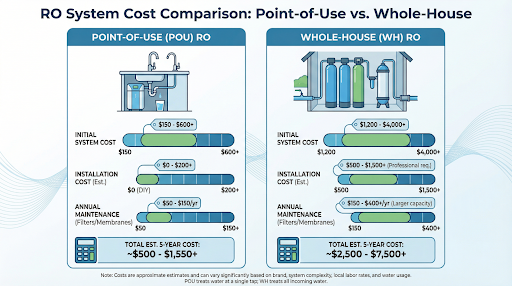
- Point-of-Use (POU) Systems: These are typically installed under the kitchen sink and provide purified water to a dedicated faucet. They are the most common and generally the most affordable option for drinking and cooking water. Prices range from $150 to $500 for the unit.
- Whole-House (Point-of-Entry) Systems: While less common for RO due to the slow
filtration process and high water waste, some specialized whole-house RO systems exist for specific applications. These are significantly more expensive, typically ranging from $1,000 to $4,000+, and require professional consultation.
2. Number of Filtration Stages
Most residential RO systems come with multiple filtration stages (typically 3 to 5, or even more). Each stage adds to the system's effectiveness and, consequently, its cost:
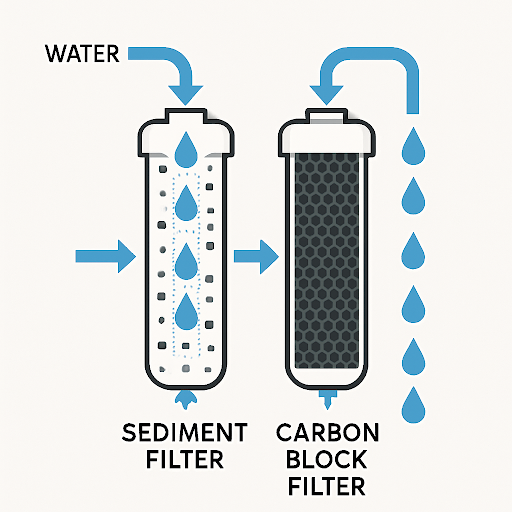
- 3-Stage Systems: Basic filtration, usually including a sediment filter, carbon filter, and the RO membrane. More affordable.
- 4-5 Stage Systems: Add pre- and post-carbon filters, sometimes a remineralization filter. These are the most popular for comprehensive purification and taste improvement.
- 6+ Stage Systems: May include
UV sterilization, alkaline filters, or additional specialized filters for specific contaminants. These are at the higher end of the price spectrum.
3. Water Production Rate (GPD)
RO systems are rated by Gallons Per Day (GPD), indicating how much purified water they can produce in 24 hours. Higher GPD systems typically cost more but deliver faster water production, which is beneficial for larger families or higher-demand applications.
4. Features and Technology
- Pumped Systems: Some RO systems include a booster pump to increase water pressure, which can improve efficiency and production rate, especially in homes with low water pressure. This adds to the cost.
- Remineralization Filters: As discussed in previous blogs, these add beneficial minerals to the water to improve taste and health, increasing the system's price.
- Smart Features: Some modern units include smart features such as filter-change indicators, leak detection, and app connectivity, which can increase the price.
Installation Costs: Professional vs. DIY
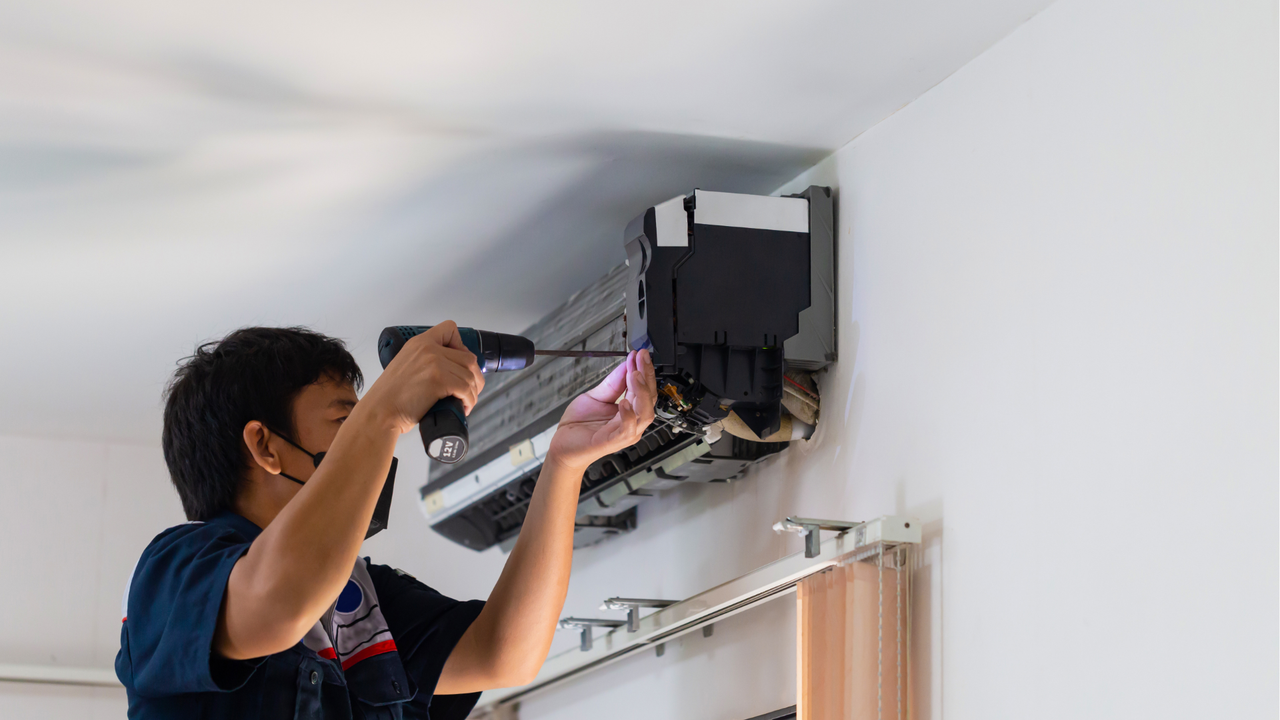
Beyond the unit itself, installation is a significant cost factor. While some handy homeowners may attempt a DIY installation of POU systems, professional installation is strongly recommended to ensure proper operation and prevent leaks.
- DIY Installation: Reduces labor costs but requires basic plumbing knowledge and tools. Risks of improper installation can lead to leaks or system malfunctions.
- Professional Installation: Typically ranges from $100 to $500, depending on complexity and local labor rates. Ensures proper setup and optimal performance, and often includes a warranty for the installation. For complex
Reverse Osmosis (RO) Systems, professional installation is almost always worth the investment.
Ongoing Costs: Maintenance and Filter Replacement
When considering how much a reverse osmosis system costs, it's crucial to factor in ongoing maintenance. Filters and the RO membrane need periodic replacement to maintain water quality and system efficiency.
- Pre-filters and Post-filters: Typically replaced every 6-12 months, costing around $50-$100 per set.
- RO Membrane: Replaced every 2-5 years, costing $80-$200.
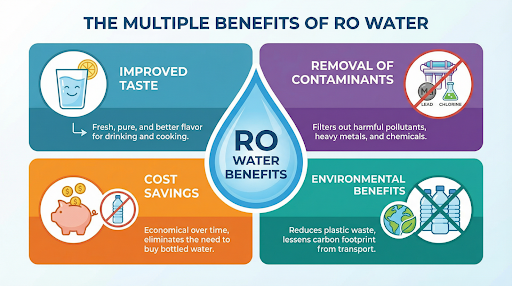
These costs are minimal compared to the long-term savings from not buying bottled water and the health benefits of purified water.
In Summary
Understanding how much reverse osmosis systems cost involves considering the initial purchase, installation, and ongoing maintenance. While upfront costs can vary, the long-term benefits of superior water quality, health protection, and environmental responsibility make it a worthwhile investment for many homeowners. For expert advice on
Water Treatment and a precise quote tailored to your home's needs, trust Royal Class Service.
Ready to invest in the purest water for your home?
Contact Royal Class Service today for a personalized estimate!