How Do Reverse Osmosis Systems Work? Clean Water Explained
In an era where water quality is a paramount concern, many homeowners are seeking advanced solutions to ensure their drinking water is as pure as possible. While municipal water treatment provides a baseline of safety, it often leaves behind dissolved solids, chemicals, and contaminants that can affect taste, odor, and even long-term health.
Improving your
indoor air quality can also contribute to a healthier home environment. This is where reverse osmosis (RO) systems come into play, offering a powerful and effective method for purification. Understanding
how do reverse osmosis systems work is key to appreciating their value and making an informed decision for your home's water quality.
The Science Behind Reverse Osmosis
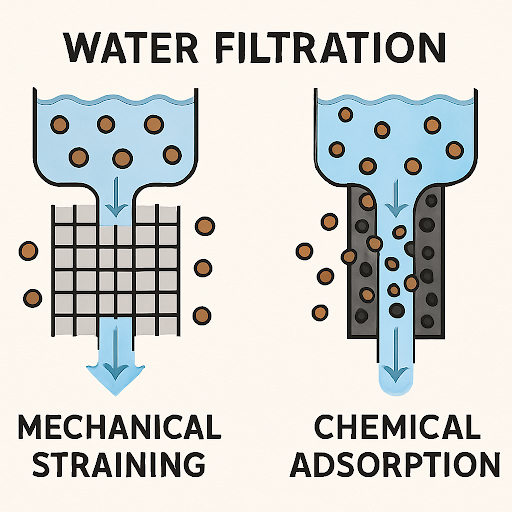
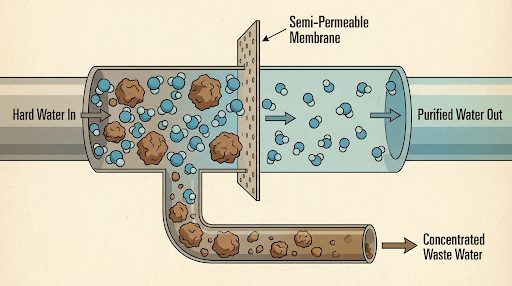
At its core, reverse osmosis is a process that forces water through a semi-permeable membrane, leaving impurities behind. It's essentially a highly refined
filtration method that goes beyond what standard filters can achieve.

What is Osmosis?
To grasp reverse osmosis, it's helpful to first understand osmosis. Osmosis is a natural phenomenon where water molecules move from an area of higher water concentration (lower solute concentration) to an area of lower water concentration (higher solute concentration) across a semipermeable membrane. This movement continues until the concentration of solutes is equal on both sides of the membrane.
How Reverse Osmosis Reverses the Flow
Reverse osmosis, as the name suggests, reverses this natural process. Instead of allowing water to flow naturally, external pressure is applied to the side of the membrane with the higher concentration of dissolved solids. This pressure forces the water molecules through the semipermeable membrane, leaving the larger dissolved solids and contaminants behind. The result is highly purified water on one side and a concentrated brine solution (waste water) on the other.
Key Components of an RO System
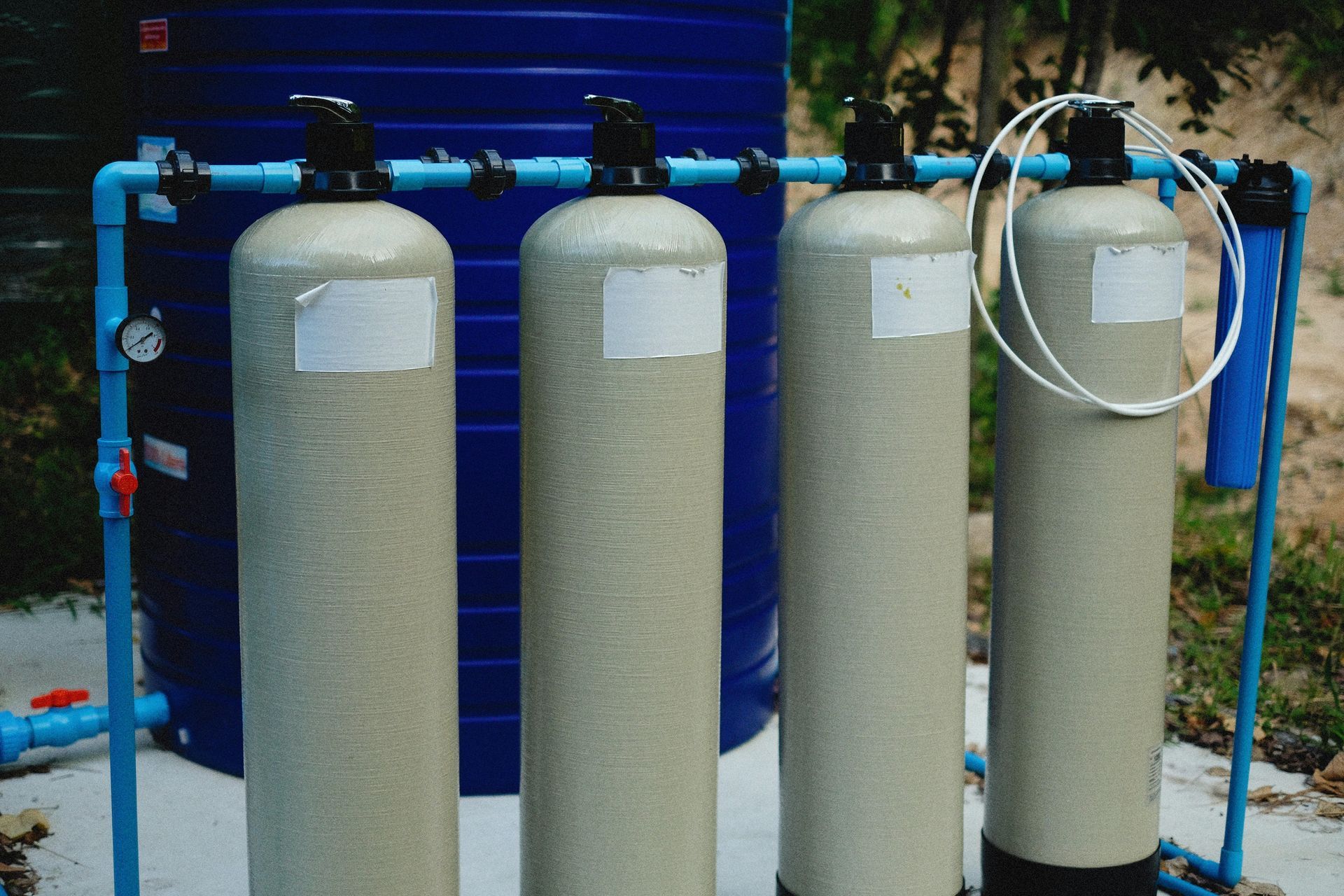
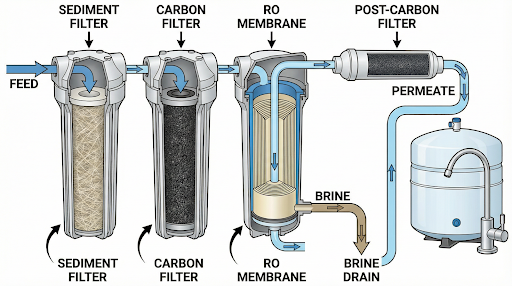
A typical Reverse Osmosis (RO) System for residential use consists of several stages, each designed to remove specific types of contaminants and protect the delicate RO membrane:
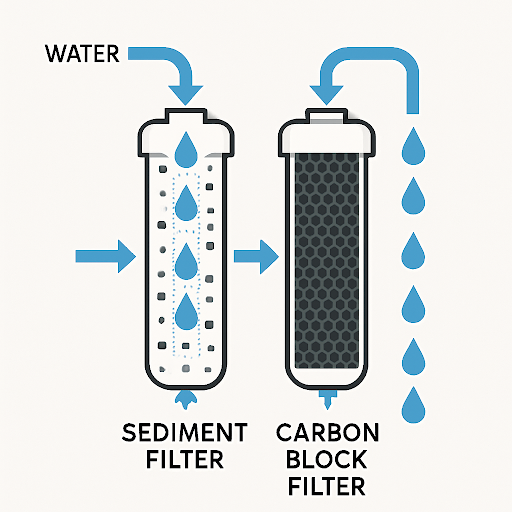
- Sediment Filter: This is usually the first stage. It removes larger particles such as dirt, rust, and sand that can clog the other filters and the RO membrane.
- Carbon Filter (GAC/Carbon Block): Following the sediment filter, carbon filters remove chlorine, chloramines, volatile organic compounds (VOCs), and other chemicals that can damage the RO membrane and affect water taste and odor.
- RO Membrane: This is the heart of the system. The semi-permeable membrane removes up to 99% of dissolved inorganic solids, heavy metals (such as lead and mercury), fluoride, nitrates, and many other microscopic impurities. For additional purification against biological contaminants, consider a UV system. For issues related to dissolved solids causing hard water, consider exploring water softeners. It's the stage that truly defines an RO system's purification capability.
- Post-Carbon Filter: After passing through the RO membrane, the purified water often goes through another carbon filter (polishing filter) to remove any remaining tastes or odors before it reaches your tap.
- Storage Tank: Since the RO process is slow, purified water is stored in a pressurized tank, ensuring you have clean water on demand.
- Faucet: A dedicated faucet is typically installed at your sink to dispense the purified RO water.
The Benefits of an RO System for Your Home
Investing in an RO system offers numerous advantages for your household:
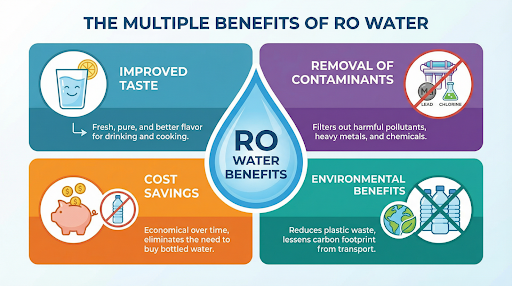
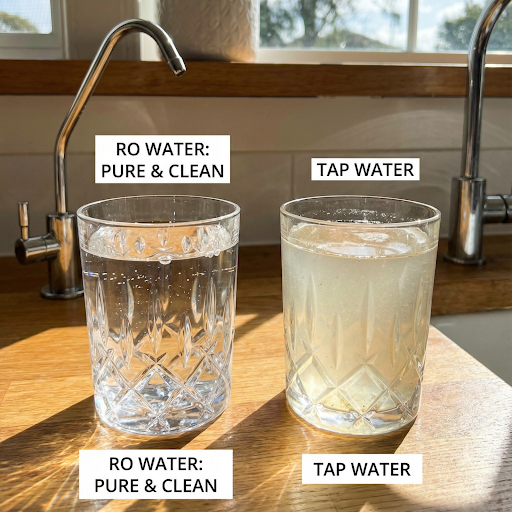
- Superior Water Purity: Provides exceptionally clean and safe drinking water, free from a wide range of contaminants.
- Improved Taste and Odor: Removes chlorine and other chemicals that cause unpleasant tastes and smells.
- Health Benefits: Reduces exposure to harmful substances, contributing to better overall health.
- Cost Savings: Eliminates the need for bottled water, saving money and reducing plastic waste.
- Convenience: Fresh, purified water is always available directly from your tap.
In Summary
Understanding how reverse osmosis systems work reveals a sophisticated and highly effective method for achieving superior water purity in your home. From removing a vast array of contaminants to improving taste and odor, RO systems offer unparalleled benefits for your health, appliances, and peace of mind. While the science may seem complex, the result is simple: consistently clean, safe, and delicious drinking water right from your tap.
For comprehensive
water treatment solutions and expert installation of RO systems, trust Royal Class Service. Our team can assess your water quality and recommend the ideal system to meet your family's needs, ensuring you enjoy the purest water possible.
Ready to experience the difference of truly clean water?
Contact Royal Class Service today for a consultation.