Treatment of Hard Water: Types, Effects, and the Best Solutions

December 12, 2025

Share this article

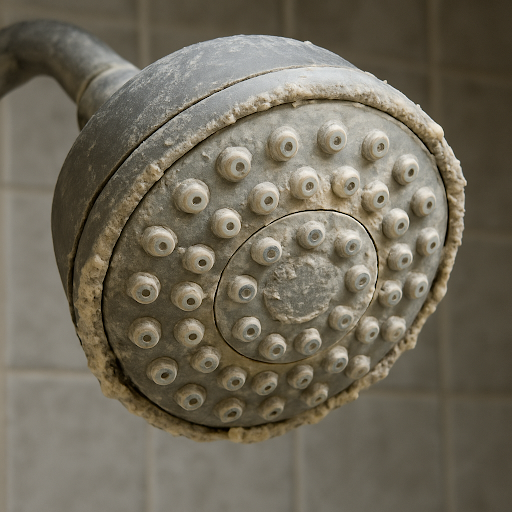
If you live in an area with hard water, you are constantly battling its effects: stubborn soap scum on shower doors, white scale buildup on faucets and appliances, and dull, lifeless laundry. Hard water is not a health risk, but it is a major nuisance and a costly problem for your home. It is caused by a high concentration of dissolved minerals, primarily calcium and magnesium. While you can't change the geology that causes it, you can certainly implement effective treatment of hard water to protect your home and improve your quality of life.

The Costly Effects of Hard Water

The problems caused by hard water go far beyond cosmetic issues. Over time, the mineral deposits, known as scale, can have a significant impact on your home's plumbing and appliances.


1. Appliance Damage and Inefficiency

Appliances that heat water, such as water heaters, dishwashers, and coffee makers, are particularly vulnerable. Scale buildup acts as an insulator, forcing the appliance to use more energy to heat the water. This dramatically reduces efficiency and can shorten the lifespan of the appliance, leading to premature failure and costly replacements.


2. Plumbing and Fixture Corrosion

Scale can narrow the diameter of your pipes, reducing water pressure and potentially leading to clogs. It also contributes to the wear and tear on faucets and showerheads, causing them to leak or fail prematurely.


3. Personal Care and Cleaning

Hard water reacts poorly with soap, preventing it from lathering properly and leaving behind a sticky residue. This means you use more soap, detergent, and shampoo. It can also leave your skin feeling dry and your hair looking dull.


Understanding Water Softeners


The most common and effective method for the treatment of hard water is the installation of a
water softener. These systems work through a process called ion exchange.


How Ion Exchange Works

Inside the water softener tank are thousands of resin beads coated with sodium ions. As hard water passes through the tank, the calcium and magnesium ions (which have a stronger positive charge) are attracted to the resin beads, effectively "kicking off" the sodium ions. The hard minerals are trapped on the beads, and the softened water, now containing trace amounts of sodium, flows out to your home.


Regeneration

Over time, the resin beads become saturated with hard minerals and need to be cleaned, or "regenerated." This is done by flushing the tank with a brine solution (saltwater). The highly concentrated sodium in the brine forces the calcium and magnesium ions off the resin beads, and the mineral-rich wastewater is flushed down the drain.


Beyond Water Softening: Comprehensive Water Treatment
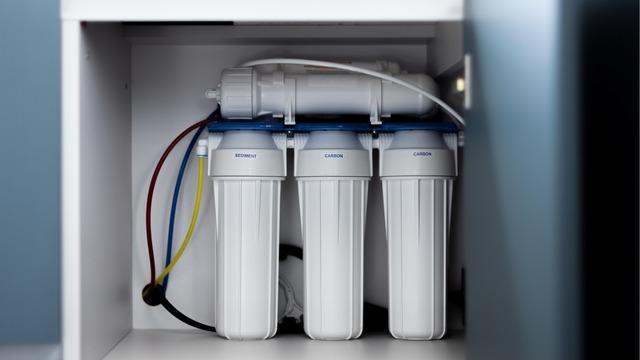
While a water softener is the solution for hard water, it is often part of a larger Water Treatment strategy. Depending on your water quality test results, you may also need:

  • Filtration: This process is done to remove sediment, chlorine, and other taste/odor contaminants.
  • Reverse Osmosis (RO) Systems: For ultra-pure drinking water at the tap, RO is your best solution.
  • UV Systems: To sterilize water and kill bacteria and viruses, the use of ultraviolet (UV) light is done to penerate the microorganism’s DNA. 

Choose Royal Class Service for Soft Water Solutions

Don't let hard water continue to damage your home and budget. Investing in the proper treatment of hard water is a decision that will immediately improve your quality of life, save you money on energy and appliance repairs, and make cleaning easier.


At Royal Class Service, we are experts in diagnosing your water quality and providing the perfect softening solution. We offer a range of high-efficiency water softeners and can integrate them with a complete
Water Treatment system tailored to your home's specific needs. 


Contact us today
for a professional water test and take the first step toward enjoying the benefits of soft, clean water.

Recent Posts

By Matthew Pillius February 25, 2026
When your heat fails during a blizzard, do you want the cheapest price or the most accountability? Discover why "affordable" can become expensive and what questions to ask to ensure your home comfort system is installed to last.
February 23, 2026
What is an HVAC condenser, and how does it work? Learn about AC condenser components, common problems, and how to maintain this critical part of your cooling system.
February 19, 2026
Learn how to unclog your AC drain line with step-by-step DIY methods. Professional HVAC technicians share tips to clear blockages and prevent future clogs.
February 16, 2026
How much does a new HVAC system cost in 2026? Explore price ranges, key cost factors, and what New York homeowners should budget for heating and AC replacement.
February 13, 2026
How long do HVAC systems last? Learn the average lifespan of furnaces, air conditioners, and heat pumps, plus tips to extend the life of your HVAC equipment.
February 10, 2026
How often should you change your HVAC filter? Learn the recommended replacement schedule, signs of a dirty filter, and how clean filters improve air quality.
February 6, 2026
Learn what static pressure in HVAC means and how it affects your system's performance. Discover causes of high static pressure and how to fix airflow problems.
February 4, 2026
What does HVAC stand for? Learn how heating, ventilation, and air conditioning systems work together to keep your home comfortable year-round.
February 2, 2026
Learn how much a UV water filter system costs in 2026. Explore pricing factors, installation expenses, and maintenance costs for UV water filtration in New York.
January 26, 2026
Master how to set the water softener correctly. Learn about hardness settings, regeneration cycles, and salt dosage to ensure consistent soft water.
Show More