How Long Do Water Softeners Last? Signs You Need a Replacement
A water softener is a valuable appliance in homes with hard water, protecting plumbing, extending the life of other appliances, and improving the quality of daily life. Like any other home system, however, water softeners have a lifespan. Understanding how long should a water softener last and recognizing the signs of wear and tear are crucial for maintaining soft water in your home and knowing when it's time for a replacement. This is part of ensuring overall water quality.
The Average Lifespan of a Water Softener

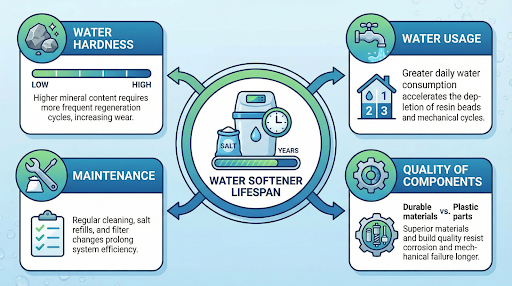
Generally, a well-maintained water softener can last anywhere from 10 to 15 years, with some high-quality units even exceeding 20 years. Several factors influence this lifespan:
- Type of Softener: Ion exchange (salt-based) softeners are the most common and tend to have a robust lifespan. Salt-free alternatives may have different durability.
- Water Hardness: Homes with extremely hard water will put more strain on the softener, potentially shortening its life due to more frequent regeneration cycles.
- Water Usage: Higher water consumption means more regeneration cycles, leading to faster wear and tear on the resin beads and mechanical components.
- Maintenance: Regular cleaning, proper salt levels, and timely servicing significantly extend a softener's life. Consider professional heating maintenance as well, as hard water can impact heating systems.
- Quality of Components: Higher-end models often use more durable materials and advanced control valves, contributing to a longer operational period.
Key Components and Their Lifespans
To understand how long should a water softener last, it's helpful to look at its main components:
Resin Bed
The resin beads are the workhorse of the water softener, responsible for the ion exchange process. Over time, these beads can become fouled by iron, chlorine, or simply break down due to repeated regeneration cycles. While some resins can last the life of the unit, they often need replacement every 5-10 years, depending on water quality and usage. A degraded resin bed is a primary reason for reduced softening efficiency.
Control Valve
The control valve is the brain of the water softener, managing the regeneration cycles. Modern electronic control valves are quite durable, often lasting 10-15 years. Older mechanical valves might wear out sooner. Malfunctions in the control valve can lead to inefficient regeneration or constant water waste. If you notice unusual water flow, you might also need drain cleaning.
Brine Tank
The brine tank holds the salt and creates the brine solution used for regeneration. This component is generally very durable and can last for the life of the unit, provided it's kept clean and free of salt bridges.
Signs Your Water Softener Needs Replacement
Recognizing these warning signs can help you address issues before they become major problems:
- Return of Hard Water Signs: This is the most obvious indicator. If you start noticing soap scum, limescale buildup, dull laundry, or dry skin and hair again, your softener is no longer effectively removing minerals. This could be due to depleted resin, a malfunctioning control valve, or incorrect settings.
- Excessive Salt Consumption: If your softener is using significantly more salt than usual without a change in water usage, it might be regenerating too frequently or inefficiently, indicating a problem with the control valve or resin.
- Decreased Water Pressure: While less common, a severely clogged resin bed or internal component issues can restrict water flow, leading to a noticeable drop in water pressure throughout your home.
- Visible Rust or Corrosion: External rust on the tank or internal corrosion can indicate a system nearing the end of its life. Leaks, even small ones, are also a clear sign of trouble.
- Age of the Unit: If your water softener is over 10-15 years old, even without obvious signs of failure, it's worth considering a replacement. Newer models are significantly more energy-efficient and effective.
How to Maximize Your Water Softener's Lifespan
To ensure your Water Treatment system, particularly your water softener, lasts as long as possible:
- Regular Salt Refills: Keep the brine tank filled with high-quality salt.
- Clean the Brine Tank: Periodically clean out the brine tank to prevent salt bridges and sludge buildup.
- Professional Maintenance: Schedule annual check-ups with a qualified technician to inspect components, test water hardness, and adjust settings. This is similar to the importance of regular AC maintenance for optimal performance.
- Address Issues Promptly: Don't ignore early signs of problems; timely repairs can prevent more extensive damage.
The Bottomline
Understanding how long a water softener lasts empowers you to make informed decisions about its maintenance and eventual replacement. When it's time for a new unit or if you're experiencing issues with your current system, Royal Class Service offers expert advice, reliable repairs, and professional installation of high-quality softeners. Ensure your home continues to enjoy the benefits of soft water for years to come.
Is your water softener showing signs of age? Don't wait for hard water problems to return!
Contact Royal Class Service today for a professional assessment and solutions!