Home water treatment involves processes and systems homeowners use to remove contaminants and improve water quality for drinking, bathing, and appliance use. These systems employ filtration, adsorption, ion exchange, membrane separation, or disinfection to reduce chemicals, particulates, hardness minerals, and microbes, resulting in safer, better-tasting tap water. This article explains home water treatment, common contaminants, key technologies, and guides system selection and maintenance.
Importance of Home Water Treatment
Water treatment for homes applies processes to remove or neutralize contaminants, ensuring water is safe, clear, and fit for use. These processes target various contaminants, improving health and appliance performance by reducing turbidity, dissolved solids, and pathogens. Home treatment is crucial because municipal and well supplies can still contain residual disinfectants, heavy metals, or biological risks. Untreated water carries acute and chronic health risks, from microbial illness to long-term exposure effects from lead or PFAS. For appliances, hardness causes scale, reducing efficiency and lifespan. Sediment accelerates wear, and disinfectants degrade components. Home water treatment mitigates these risks, reducing health issues and long-term repair/energy costs.
Common Water Contaminants and Their Impact
- Lead: Neurological risk, especially in children; leaches from old plumbing. Recommended: Point-of-use RO or certified carbon/lead reduction filters.
- Chlorine / Chloramine: Taste and odor problems; disinfectant residuals. Recommended: Activated carbon filters (POU/POE).
- Hardness (Calcium, Magnesium): Limescale, reduced boiler efficiency, pipe scaling. Recommended: Ion exchange water softener (POE).
- Microbial pathogens (bacteria, viruses): Gastrointestinal illness; acute health risk. Recommended: UV disinfection (post-filtration) or chlorination for the supply.
- PFAS / VOCs: Long-term exposure risks; persistent chemicals. Recommended: Granular activated carbon, RO for POU removal.
How Home Water Treatment Works
Home water treatment employs core mechanisms—filtration, adsorption, ion exchange, membrane separation, and disinfection—each targeting specific contaminants. These physical or chemical principles (blocking particulates, trapping organics, softening water, separating by size, inactivating organisms) are often combined in multi-stage systems for comprehensive removal.
A typical treatment sequence at home follows these steps:
- Pre-filtration: Removes sediment and protects finer media and membranes.
- Primary treatment: Activated carbon, RO, or ion exchange removes targeted contaminants.
- Disinfection/post-treatment: UV or residual disinfectant ensures microbiological safety.
- Polishing: Post-filters improve taste and final water quality.
Types of Home Water Treatment Systems
Home water treatment systems include RO, UV, ion exchange softeners, activated carbon, sediment filters, and distillers. Technologies are often paired for extended life and broader removal. Common system types are:
- Reverse Osmosis (RO): Removes dissolved solids, lead, fluoride; best for drinking water POU. Typical Cost: Moderate to high. Maintenance: Replace membranes/filters 6-24 months.
- UV Disinfection: Removes microbes (bacteria, viruses) when paired with filtration. Typical Cost: Moderate. Maintenance: Lamp replacement ~12 months.
- Water Softener (Ion Exchange): Removes hardness minerals (Ca/Mg); protects appliances POE. Typical Cost: Moderate. Maintenance: Salt recharge weekly; resin regeneration annually.
- Activated Carbon Filter: Removes chlorine, VOCs, taste & odor. Typical Cost: Low to moderate. Maintenance: Cartridge changes 3-12 months.
Benefits of Home Water Treatment Systems
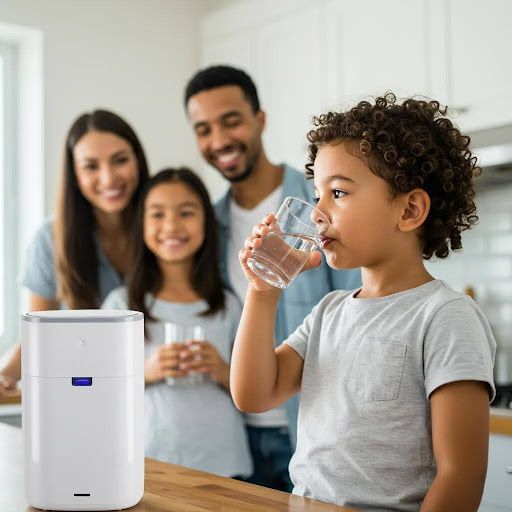
Home water treatment reduces contaminant exposure, protects plumbing and appliances, improves taste/odor, and lessens bottled water reliance. Removing lead, nitrates, or microbes lowers health risks. Softening and sediment removal extend appliance life and reduce maintenance. Improved taste from carbon or RO increases tap water consumption, benefiting budgets and the environment.
Improved Health and Safety
Targeted treatment removes contaminants linked to illness or long-term health effects. Microbial inactivation prevents gastrointestinal disease; removing lead or nitrates reduces developmental risks. Vulnerable populations especially benefit. Testing and home remediation are practical steps, linking action to measurable health risk reduction.
Appliance and Plumbing Protection
Removing hardness minerals and sediment prevents scale and clogging, maintaining water heater efficiency and reducing dishwasher repairs. Softeners and sediment filters extend appliance life and lower energy use. Carbon filtration protects valves from chlorine degradation. Operational savings often offset initial system costs.
Enhanced Taste and Water Quality
Activated carbon adsorbs chlorine, chloramine, and organic compounds, causing off-flavors, yielding better-tasting tap water. RO improves palatability by lowering dissolved solids and removing metallic tastes. These sensory improvements increase tap water use and reduce bottled water purchases, offering convenience and environmental benefits.
How to Choose the Right Home Water Treatment System
Choosing a system begins with accurate water testing, mapping contaminants to technologies, and then considering flow needs, budget, and maintenance. Testing clarifies priorities: microbial safety, heavy metal removal, hardness control, or taste. Factor in household size, peak flow for POE, and ongoing costs like filter replacements or salt. A decision checklist includes:
- Contaminant Profile: What does testing show is present and at what level? Influences technology choice (RO, UV, softener, carbon).
- Flow & Household Size: What peak flow and number of outlets need treatment? Influences POE sizing vs POU selection.
- Budget & Lifecycle Cost: What are the initial and ongoing costs? Affects trade-offs between upfront vs recurring expenses.
- Maintenance Capacity: Who will replace filters/maintain systems and how often? Impacts system complexity and warranty/service needs.
Why Professional Consultation Matters
Professionals like Royal Class Service offer accurate test interpretation, correct system sizing, and expert installation, preserving warranties. They advise on permitting, brine discharge, and integrating technologies. Qualified maintenance plans simplify long-term care, reducing user burden and protecting your investment. For a Professional Consultation, reach out today.
Final Thoughts
Investing in a home water treatment system is a proactive step towards ensuring the health and well-being of your household, protecting your appliances, and enjoying better-tasting water. By understanding your water quality through testing, exploring the available technologies, and considering your specific needs, you can make an informed decision that provides lasting benefits. Whether you opt for a point-of-use filter or a comprehensive whole-house system, clean water is an essential foundation for a healthy home.
Ready to Improve Your Home's Water?
Take the first step towards cleaner, safer water today. Get a free water treatment consultation.
Recent Posts
Join the Royalty of Home Maintenance.
Get 15% off all repairs, priority scheduling, and two precision tune-ups a year.
Don't get caught off guard by hidden fees.
Use our Instant Estimator to get a clear price range in seconds.