How To Prolong The Life Of Your Air Conditioning System

matthew • April 5, 2019

Share this article

In addition to hiring heating and air conditioning contractors for regular air conditioning tune-ups, Hudson Valley homeowners should take steps to ensure that their air conditioner stays functional and energy efficient. If air conditioner maintenance is neglected, the life of the air conditioner is shortened, and homeowners will have to purchase an entirely new HVAC system.

Maintenance Tips to Keep Your AC Running

  • Fans  – Use fans to decrease your air conditioning use. Before you turn up the AC to get relief from the stifling heat, consider the energy and cost savings a fan can provide. It will increase air flow and aid your air conditioner’s attempts to cool down your home.
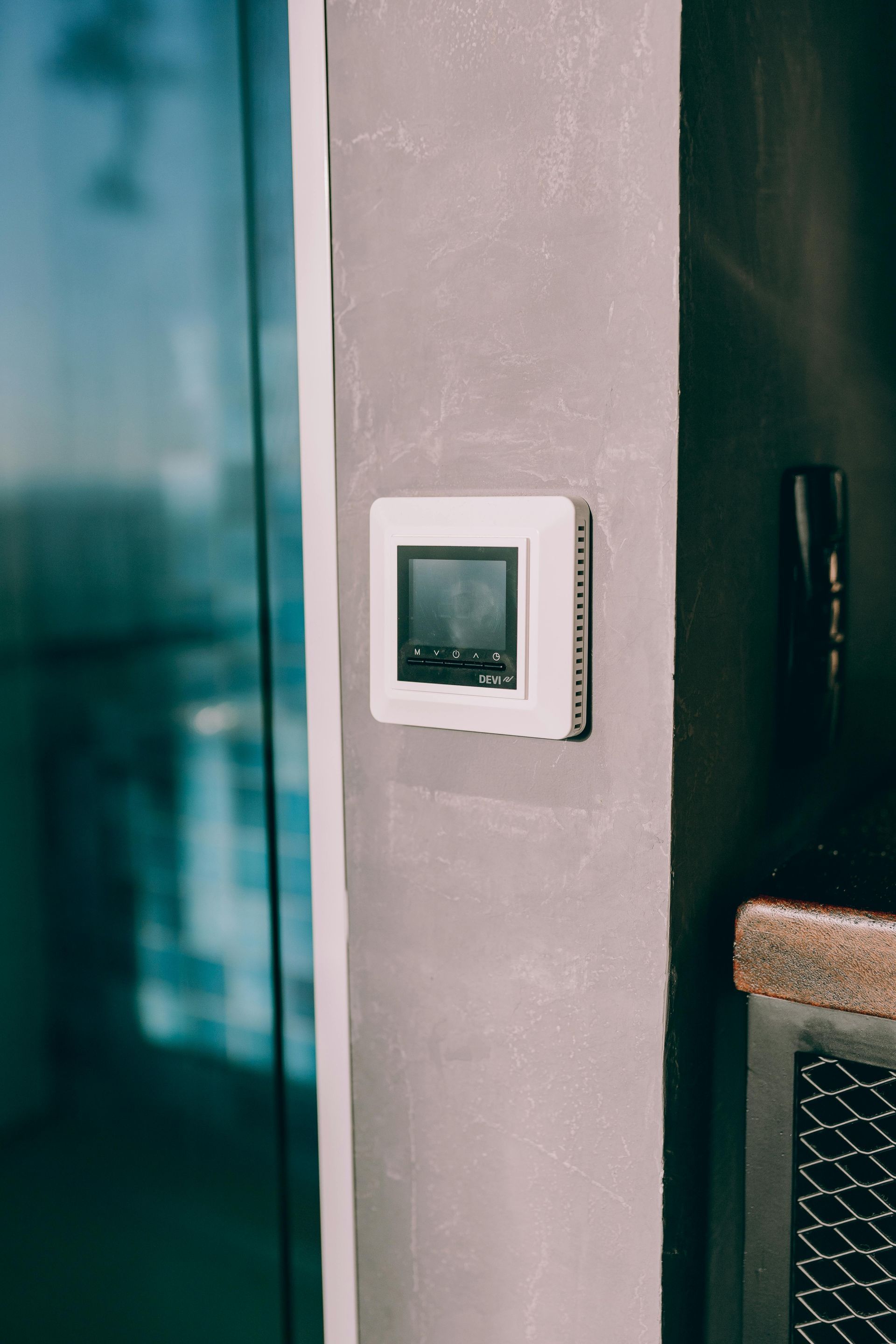
  • Thermostat  – If you have a mechanical thermostat, contemplate switching it out for a programmable model. Programmable thermostats let you increase the temperature when you leave home, and then they cool down the home before you return.
  • Air Filter  – Cleaning your air filter regularly may be the most important heating and air conditioning maintenance task you can do. Dust, dirt, and other allergens clog the filter and restrict air flow without frequent cleaning, putting more pressure on the HVAC system. During warm weather, cleaning your air filter every one or two months is recommended, depending on the amount of pet fur and dust.
  • Evaporator Coil  – Evaporator coils become dirty over time, but cleaning the air filter regularly can limit the amount of dirt on the coil. The evaporator coil should be cleaned at least once a year.

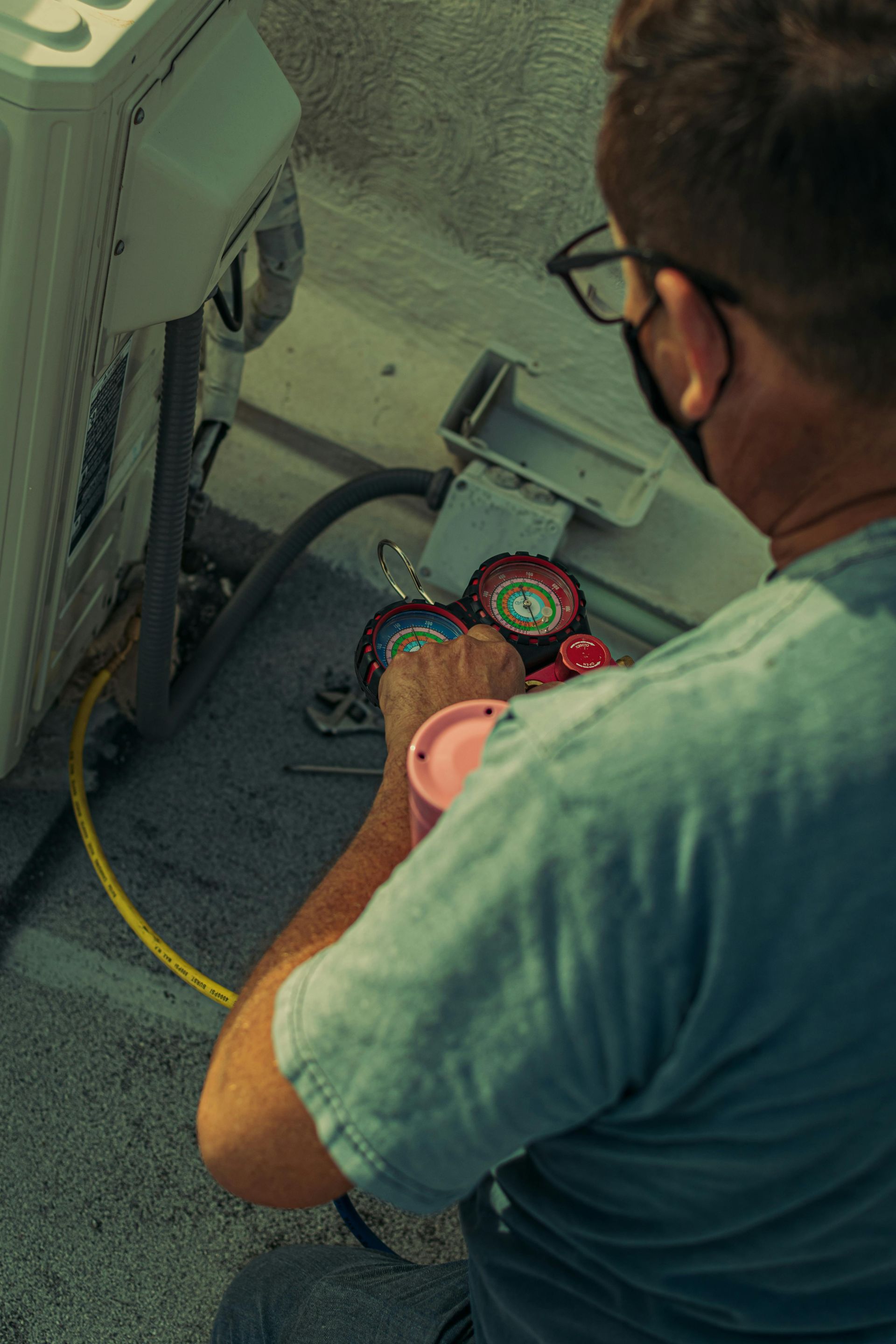
Performing occasional maintenance on your heating and air conditioning unit is definitely worthwhile. Hiring HVAC specialists for tune-ups is also a wise decision. During your tune-up, HVAC technicians will execute various tasks, such as cleaning the blower, checking the condenser coil, checking the fan motor direction, checking for refrigerant leaks, tightening electrical connections, and lubricating moving parts. If you’d like to schedule a tune-up, contact Ball Heating and Air Conditioning, a trusted Huson Vally heating and air conditioning, contractor.


If you are looking for a New Windsor plumbing, heating & air conditioning contractor, please call  (845) 569-1299  or complete our  online request form .

Recent Posts

March 16, 2026
Heat pump vs. furnace—which is better for Hudson Valley winters? Royal Class Service breaks down theirs costs, performance, and what actually works here.
March 12, 2026
HVAC repair costs in NY range from $150 to $2,500+. Learn what drives heating and AC repair prices in the Hudson Valley and when to repair vs. replace.
March 11, 2026
AC capacitor replacement costs $150 to $400 for most Hudson Valley homeowners. Learn what drives the price and when to call a pro.
March 9, 2026
Hudson Valley’s Royal Class Service explains what an HVAC capacitor does, the two types in your system, and the warning signs it's failing.
March 6, 2026
Royal Class Service explains what HVAC SEER ratings mean, how they affect your energy bills, and which rating makes sense for Hudson Valley homes.
March 5, 2026
Replacing an AC compressor costs $800–$2,800+ in 2026. Learn what drives the price, when to repair vs. replace, and how to avoid overpaying.
March 3, 2026
Wondering what an HVAC compressor does? Learn how it works, why it fails, and when to call a pro courtesy of Royal Class Service in the Hudson Valley.
March 2, 2026
Should you repair or replace your HVAC system? Learn how the $5,000 Rule helps Hudson Valley homeowners make the right call—and what replacement actually costs.
By Matthew Pillius February 25, 2026
When your heat fails during a blizzard, do you want the cheapest price or the most accountability? Discover why "affordable" can become expensive and what questions to ask to ensure your home comfort system is installed to last.
February 23, 2026
What is an HVAC condenser, and how does it work? Learn about AC condenser components, common problems, and how to maintain this critical part of your cooling system.
Show More